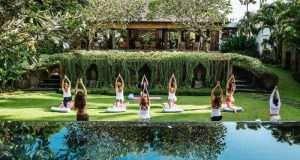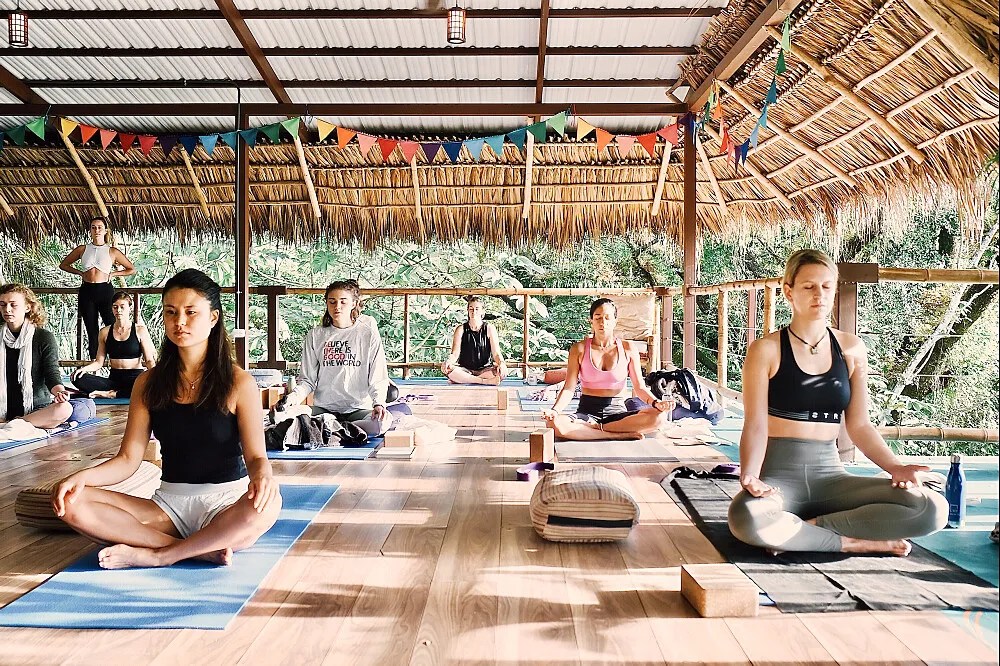
Yoga Teacher Training Retreats offer a transformative journey, blending intensive yoga instruction with immersive cultural experiences. These retreats cater to a diverse demographic, from aspiring yoga instructors seeking certification to seasoned teachers looking for professional development and personal rejuvenation. The market encompasses various formats, durations, and styles, each tailored to specific needs and preferences, with locations ranging from tranquil beaches to vibrant urban centers.
Pricing varies significantly depending on the location, duration, and amenities offered, creating a spectrum of options for prospective participants.
This exploration delves into the current market trends, examining successful pricing strategies, comparing retreat formats, and showcasing diverse locations worldwide. We will also analyze the crucial components of a comprehensive curriculum, effective marketing techniques, and the importance of sustainability and ethical considerations within this thriving industry. The goal is to provide a holistic understanding of the yoga teacher training retreat landscape, empowering both potential participants and retreat organizers.
Yoga Teacher Training Retreats
The global wellness market continues to experience significant growth, and yoga teacher training retreats represent a lucrative niche within this sector. These retreats offer a unique blend of intensive yoga instruction, personal development opportunities, and cultural immersion, appealing to a diverse range of individuals seeking both professional and personal enrichment. Understanding the market trends, demographics, pricing strategies, and diverse formats is crucial for both participants and those considering entering this dynamic industry.
Market Trends for Yoga Teacher Training Retreats
The yoga teacher training retreat market is characterized by increasing demand for specialized and niche programs. Participants are seeking retreats that go beyond the basic foundational training, incorporating elements like Ayurveda, mindfulness practices, restorative yoga, specific yoga styles (e.g., Yin, Vinyasa, Ashtanga), or a focus on specific populations (e.g., prenatal yoga, yoga for seniors). There’s also a growing trend towards sustainable and eco-conscious retreats, aligning with the broader consumer emphasis on ethical and environmentally responsible travel.
The rise of online learning has impacted the industry, with some retreats offering blended learning models combining online modules with in-person intensive sessions.
Key Demographics Interested in Yoga Teacher Training Retreats
The primary demographic includes young adults and millennials (25-40 years old) seeking career changes or personal growth. However, the market also attracts older individuals (40-60 years old) looking for a career transition, a lifestyle change, or simply deeper personal development through yoga. Women constitute a larger percentage of participants, although male participation is steadily increasing. Many participants possess a background in health and wellness or a related field, while others come from diverse professional backgrounds seeking a change of pace and career fulfillment.
Financially, participants typically range from middle-class to upper-middle-class, reflecting the investment required for these specialized programs.
Pricing Strategies Employed by Retreat Providers
Pricing strategies vary significantly based on factors such as location, retreat length, accommodation type (e.g., shared dorm, private room), instructor expertise, and included amenities. Some providers offer all-inclusive packages covering accommodation, meals, and materials, while others adopt a tiered pricing system offering different levels of accommodation and inclusions. Luxury retreats command premium prices, often exceeding $5,000, while budget-friendly options can be found for under $2,000.
Many providers also offer early bird discounts or payment plans to make retreats more accessible. Competitive pricing is influenced by location; retreats in more expensive destinations naturally command higher fees.
Comparison of Yoga Teacher Training Retreat Formats
Retreats vary significantly in length, ranging from short weekend workshops to intensive month-long programs. Intensity levels also differ, with some retreats offering a more relaxed pace suitable for beginners, while others are designed for experienced yogis seeking advanced training. Different yoga styles and philosophies are emphasized, leading to diverse retreat formats focusing on specific styles like Hatha, Ashtanga, Vinyasa, Yin, or a more holistic approach integrating various practices.
Some retreats incorporate specific themes, such as yoga for trauma, meditation retreats, or specialized teacher training for particular populations (e.g., children or seniors). The choice of format depends on the individual’s experience level, learning style, and desired outcome.
Popular Retreat Destinations
The following table compares four popular destinations, highlighting their cost range and unique features.
| Location | Cost Range (USD) | Unique Features | Style Focus |
|---|---|---|---|
| Bali, Indonesia | $1500 – $4000 | Tropical setting, cultural immersion, affordable options | Vinyasa, Hatha |
| Costa Rica | $2500 – $6000 | Nature immersion, eco-lodges, adventure activities | Yoga & Surf, Restorative |
| India (Rishikesh) | $1000 – $3000 | Spiritual heart of yoga, authentic ashram experiences | Ashtanga, Hatha, Ayurveda |
| Tulum, Mexico | $2000 – $5000 | Beachfront locations, luxurious amenities, vibrant culture | Vinyasa, Yin, Restorative |
Retreat Locations and Experiences
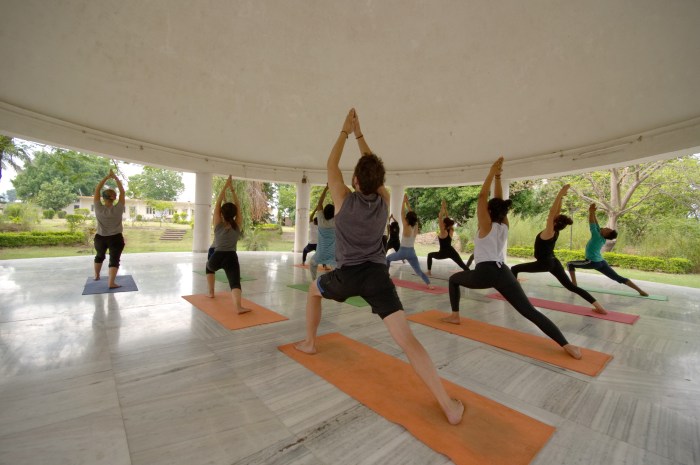
The setting of a yoga teacher training retreat significantly impacts the overall learning and transformative experience. The environment chosen directly influences the atmosphere, the type of activities possible, and the overall feeling of the retreat. Choosing the right location is crucial for creating a memorable and effective program.The benefits of holding yoga teacher training retreats in diverse locations are numerous.
Each environment offers unique opportunities for growth and learning, extending beyond the confines of the yoga studio.
Location Impact on Retreat Experience
The location’s influence on the retreat experience is profound. A mountain retreat fosters a sense of quietude and introspection, encouraging deep connection with nature and a focus on inner peace. The serene landscape can enhance mindfulness practices and promote a sense of detachment from daily life. In contrast, a beach retreat emphasizes rejuvenation and energy, with the sounds of the ocean providing a calming backdrop for yoga and meditation.
The vibrant energy of the ocean can invigorate participants and inspire a sense of freedom. An urban setting, while perhaps less overtly tranquil, offers a different kind of richness. It allows for exploration of diverse cultures, engagement with urban energy, and opportunities to practice yoga in unexpected and inspiring locations. The contrast between the urban pulse and the quiet practice can be profoundly enriching.
Enhancing Retreats with Activities and Excursions
Supplementing the core yoga teacher training curriculum with thoughtfully planned activities and excursions significantly enhances the overall retreat experience. These additions provide opportunities for cultural immersion, personal growth, and bonding amongst participants. Examples include guided hikes in natural settings, visits to local cultural sites, workshops on related topics like Ayurveda or meditation techniques, and even opportunities for community service. These activities provide breaks from the intensity of training while offering valuable perspectives and enriching the overall learning experience.
Sample Week-Long Yoga Teacher Training Retreat Itinerary
This sample itinerary balances rigorous yoga teacher training with opportunities for cultural immersion and relaxation.
| Day | Morning | Afternoon | Evening |
|---|---|---|---|
| 1 | Arrival & Welcome Circle | Introduction to Yoga Philosophy | Opening Ceremony & Welcome Dinner |
| 2 | Asana Practice & Alignment | Anatomy & Physiology Workshop | Restorative Yoga & Meditation |
| 3 | Pranayama & Meditation Techniques | Guided Hike in Local Nature Reserve | Kirtan & Satsang |
| 4 | Teaching Methodology & Sequencing | Visit to Local Temple/Cultural Site | Free Time/Optional Massage |
| 5 | Hands-on Assisting & Adjustments | Workshop on Ayurveda or Nutrition | Yoga Nidra & Sound Healing |
| 6 | Business of Yoga & Marketing | Free Time/Exploration of Local Area | Graduation Ceremony & Farewell Dinner |
| 7 | Departure |
Potential Retreat Location Descriptions
The following locations offer distinct visual aspects and atmospheres suitable for a yoga teacher training retreat:
Location 1: The Himalayan Foothills, Nepal
Imagine waking to the breathtaking vista of snow-capped Himalayan peaks, the crisp mountain air invigorating your senses. The retreat center, nestled amidst lush terraced rice paddies, offers a tranquil sanctuary. The earthy tones of the surrounding landscape, the vibrant colors of prayer flags fluttering in the breeze, and the sounds of nature create a powerful atmosphere of serenity and spiritual connection.
The air is clean and crisp, carrying the scent of pine and damp earth. The days are filled with sunlight, and the evenings are cool and starlit.
Location 2: A Secluded Beach in Costa Rica
Picture yourself practicing yoga on a pristine beach, the warm Pacific Ocean lapping gently at the shore. The retreat center, built with sustainable materials, blends seamlessly into the lush tropical surroundings. The vibrant greens of the rainforest, the azure blue of the ocean, and the golden sands create a vibrant and rejuvenating atmosphere. The sounds of waves crashing on the shore and the calls of exotic birds create a calming backdrop for yoga and meditation.
The air is warm and humid, carrying the scent of salt and tropical flowers.
Location 3: A Historic Tuscan Villa, Italy
Envision a centuries-old villa nestled amongst rolling hills, vineyards, and olive groves. The retreat center, renovated with respect for its history, offers a blend of rustic charm and modern comfort. The warm, earthy tones of the stone buildings, the vibrant greens of the countryside, and the golden hues of the setting sun create a rich and inspiring atmosphere.
The air is fragrant with the scent of cypress trees, sun-drenched earth, and ripe grapes. The days are filled with sunshine, and the evenings are cool and romantic.
Curriculum and Teaching Methods
A comprehensive yoga teacher training curriculum goes beyond simply teaching asanas. It cultivates skilled, well-rounded instructors capable of adapting to diverse student needs and fostering a safe and inclusive learning environment. This involves a deep dive into various yoga styles, anatomical understanding, philosophical underpinnings, and the practical business aspects of teaching.
Comparison of Yoga Styles
Different yoga styles emphasize various aspects of the practice. Hatha yoga, for example, focuses on foundational postures and breathwork, providing a solid base for beginners. Vinyasa yoga dynamically links movement with breath, building strength and flexibility. Restorative yoga utilizes props to support the body in passive poses, promoting deep relaxation and stress reduction. Ashtanga yoga follows a set series of postures, demanding physical stamina and discipline.
Each style offers unique benefits and challenges, and a well-rounded teacher training program will expose trainees to a variety of approaches. Understanding these differences enables teachers to cater to a broader range of students and to offer a varied and engaging teaching experience.
Essential Components of a Comprehensive Yoga Teacher Training Curriculum
A robust 200-hour yoga teacher training curriculum typically includes several key components. These include: asana practice and adjustment techniques, teaching methodology and sequencing, anatomy and physiology relevant to yoga practice, yoga philosophy and history, ethics and professional conduct, business skills for yoga teachers (marketing, legal aspects, insurance), and practical teaching experience through teaching practicums and assisting experienced instructors.
The balance and depth of these components contribute to a well-rounded education, preparing graduates to confidently and competently teach yoga.
Best Practices for Teaching Diverse Student Populations
Teaching yoga to diverse populations requires sensitivity, adaptability, and inclusivity. Best practices involve understanding and addressing the unique needs of students with varying levels of experience, physical limitations, and cultural backgrounds. This includes offering modifications and variations of poses to accommodate different body types and abilities, using inclusive language that avoids assumptions, and creating a safe and welcoming space for all students, regardless of their background or experience level.
Effective communication and active listening are crucial for building trust and understanding with students. Furthermore, teachers should be aware of and sensitive to cultural differences in body language, communication styles, and personal space.
Sample 200-Hour Yoga Teacher Training Curriculum
A possible 200-hour curriculum could be structured as follows:
- Asana and Alignment (50 hours): In-depth study of fundamental and advanced asanas, including alignment principles, modifications, and contraindications.
- Anatomy and Physiology (30 hours): Focus on the musculoskeletal system, relevant to yoga postures and safe practice.
- Yoga Philosophy and History (20 hours): Exploration of the origins and evolution of yoga, its ethical principles, and its various schools of thought.
- Teaching Methodology and Sequencing (40 hours): Developing effective teaching skills, including lesson planning, cueing techniques, and class sequencing.
- Pranayama and Meditation (20 hours): Study of breathing techniques and meditation practices.
- Business of Yoga (20 hours): Marketing, insurance, legal considerations, and financial management for yoga teachers.
- Practical Teaching Experience (20 hours): Teaching practicums and assisting experienced instructors.
Integrating Anatomy, Philosophy, and Business Skills
Anatomy informs safe and effective adjustments and modifications; philosophy provides the context and depth for the practice; business skills enable sustainable careers. For example, understanding the mechanics of the shoulder joint (anatomy) allows a teacher to guide students into poses safely, minimizing risk of injury. Sharing the yogic concept of Ahimsa (non-violence) (philosophy) encourages mindful practice and self-compassion.
Creating a website and marketing yoga classes (business) ensures the teacher’s services reach potential students. These seemingly disparate areas are intricately connected, creating a holistic approach to yoga teaching.
Marketing and Promotion of Yoga Teacher Training Retreats
Successfully marketing a yoga teacher training retreat requires a multi-faceted approach that leverages both online and offline strategies to reach the target audience. Understanding the demographics and interests of potential participants is crucial for crafting effective marketing materials and selecting the most appropriate channels.Effective marketing channels for reaching potential participants include a blend of digital and traditional methods. A well-rounded strategy will maximize reach and engagement.
Effective Marketing Channels, Yoga Teacher Training Retreats
Utilizing a variety of marketing channels is key to reaching a broad audience. This includes both paid and organic strategies, maximizing exposure and return on investment.
- Social Media Marketing: Platforms like Instagram, Facebook, and YouTube are ideal for visually showcasing the retreat’s beauty and benefits. Targeted advertising campaigns can further refine reach.
- Email Marketing: Building an email list allows for direct communication with potential participants, sharing updates, promotions, and testimonials.
- Search Engine Optimization (): Optimizing the retreat’s website for relevant s ensures higher visibility in search engine results.
- Influencer Marketing: Collaborating with yoga influencers can significantly expand reach and credibility.
- Affiliate Marketing: Partnering with related businesses or websites can drive referral traffic.
- Public Relations: Securing media coverage in relevant publications or blogs can boost brand awareness.
- Partnerships: Collaborating with yoga studios or wellness centers can expand reach to their existing clientele.
Sample Social Media Posts
Compelling social media content is crucial for attracting attention and generating interest. High-quality visuals and engaging copy are essential elements.
- Instagram Post: Image: A stunning panoramic shot of the retreat location at sunrise, with a yoga mat placed in the foreground. Caption: “Escape to paradise and deepen your yoga practice. Our Yoga Teacher Training Retreat offers a transformative experience in a breathtaking setting. Link in bio to learn more! #yogateachertraining #retreat #yoga #paradise”
- Facebook Post: Image: A collage showcasing diverse participants engaged in various aspects of the retreat – yoga practice, meditation, and social interaction. Caption: “Transform your life and become a certified yoga instructor. Our immersive Yoga Teacher Training Retreat provides comprehensive training and unforgettable experiences. Learn more: [link]”
- YouTube Video: Short video showcasing highlights of past retreats: beautiful scenery, inspiring instructors, and happy participants engaging in yoga and meditation. Caption: “Experience the magic of our Yoga Teacher Training Retreat. Watch this short video and see for yourself! #yogateachertraining #retreat #transformation”
Strategies for Building a Strong Online Presence
A strong online presence is vital for attracting potential participants and building trust. A consistent brand voice and high-quality content are key components.
- Professional Website: A well-designed website with high-quality images and videos, detailed information about the retreat, testimonials, and a clear call to action is essential.
- Active Social Media Engagement: Regularly posting engaging content, responding to comments and messages, and running contests or giveaways can build community and increase engagement.
- Positive Online Reviews: Encouraging past participants to leave positive reviews on platforms like Google My Business and TripAdvisor can build credibility and trust.
- Consistent Branding: Maintaining a consistent brand voice, visual style, and messaging across all online platforms helps build brand recognition and trust.
Marketing Plan: Online and Offline Strategies
A comprehensive marketing plan should incorporate both online and offline strategies to reach a wider audience. This plan Artikels key steps and timelines for maximum impact.
- Phase 1 (3 months before retreat): Launch website, social media accounts, begin email marketing campaign, secure partnerships, and start influencer outreach.
- Phase 2 (2 months before retreat): Run targeted social media ads, send email newsletters, and begin PR outreach.
- Phase 3 (1 month before retreat): Increase social media frequency, run contests or giveaways, and send reminder emails.
- Phase 4 (During and After Retreat): Collect testimonials, post photos and videos from the retreat, and send thank-you emails to participants.
Examples of Compelling Visual Content
High-quality visuals are crucial for attracting attention and conveying the essence of the retreat. Images and videos should evoke a sense of tranquility, inspiration, and community.
- Image 1: A wide shot of participants practicing yoga outdoors, surrounded by lush greenery and a breathtaking mountain view. The image emphasizes the serene and natural setting, highlighting the connection between yoga and nature. The lighting is soft and natural, enhancing the peaceful atmosphere. The colors are vibrant but not overly saturated, creating a balanced and calming visual.
- Image 2: A close-up shot of hands clasped in meditation, showcasing the sense of peace and mindfulness that the retreat offers. The focus is on the details of the hands, highlighting the textures and the calmness of the posture. The lighting is soft and diffused, creating a feeling of serenity.
- Video 1: A short video showcasing a montage of scenes from a past retreat: participants laughing and connecting, practicing yoga in various locations, enjoying meals together, and relaxing in the beautiful surroundings. The video uses uplifting music and emphasizes the sense of community and joy experienced during the retreat. The editing is smooth and seamless, creating a visually appealing and engaging experience.
Top Urban Destinations for Yoga Retreats
Urban yoga retreats offer a unique blend of spiritual practice and vibrant city exploration. They provide a dynamic environment for yoga teacher training, allowing participants to immerse themselves in both the inner work of yoga and the rich cultural tapestry of a chosen city. This section will highlight five ideal urban locations, detailing their suitability for hosting a transformative yoga teacher training retreat.
Top Five Urban Destinations for Yoga Teacher Training Retreats
Five cities stand out as excellent choices for urban yoga teacher training retreats, offering a balance of accessible yoga studios, inspiring accommodations, and engaging cultural experiences. These locations provide diverse opportunities for both personal growth and exploration. The selection considers factors such as the availability of suitable venues, accessibility, cultural richness, and overall appeal to a diverse range of participants.
Suitable Neighborhoods, Accommodation, and Yoga Studios
Each city offers specific neighborhoods ideally suited for hosting a yoga retreat. Finding accommodations and yoga studios within close proximity ensures convenience and allows for a seamless integration of practice and exploration. The selection below highlights prime areas in each city, considering factors such as proximity to key attractions, accessibility to transportation, and the overall atmosphere conducive to a yoga retreat environment.
- New York City: The West Village or Tribeca offer charming accommodations and numerous high-quality yoga studios.
- London: Shoreditch or Notting Hill provide a blend of boutique hotels and vibrant yoga communities.
- Berlin: Friedrichshain or Kreuzberg boast a thriving yoga scene alongside trendy accommodations and a bohemian vibe.
- Tokyo: Shibuya or Shinjuku offer modern accommodations, excellent transportation links, and a growing number of stylish yoga studios.
- Los Angeles: Venice Beach or Silver Lake provide a laid-back atmosphere with a strong yoga presence and diverse accommodation options.
Integrating Urban Exploration into the Retreat Experience
Integrating urban exploration into the retreat provides a well-rounded experience, enriching the yoga practice with cultural immersion. This can be achieved through various activities that complement the yoga sessions.
Opportunities for integrating urban exploration include:
- Guided walking tours: Exploring architectural landmarks, historical sites, and vibrant neighborhoods.
- Visits to urban parks and green spaces: Offering opportunities for mindful walks and relaxation amidst nature within the city.
- Street food market excursions: Experiencing the city’s culinary diversity and vibrant atmosphere.
- Museum visits: Engaging with art, history, and culture through museum visits.
- Workshops and classes: Exploring local arts and crafts, cooking classes, or other relevant workshops.
City Travel Hacks
These travel tips will enhance the retreat experience by streamlining logistics and providing insider knowledge to navigate each city efficiently.
- New York City: Utilize the subway system, purchase a 7-day unlimited MetroCard, and explore free activities like walking the High Line.
- London: Use the Oyster card for public transport, take advantage of free walking tours, and explore hidden gems in less-touristy areas.
- Berlin: Utilize the efficient public transport system (BVG), explore the city by bike, and discover hidden street art.
- Tokyo: Master the efficient public transport system, purchase a Suica or Pasmo card, and explore unique neighborhoods beyond the main tourist areas.
- Los Angeles: Rent a car for exploring beyond the immediate city center, use ride-sharing services, and consider using the extensive bike path network.
Unique Aspects of Each City’s Nightlife, Shopping, and Culinary Scene
Each city offers a distinct cultural landscape influencing the overall retreat experience. The unique offerings in nightlife, shopping, and culinary experiences enrich the participants’ journey.
- New York City:
New York City offers a vibrant and diverse culinary scene, from Michelin-starred restaurants to iconic street food vendors. The city’s nightlife is legendary, with a wide range of options from intimate jazz clubs to sprawling dance clubs. Shopping ranges from high-end boutiques to vintage finds in diverse neighborhoods.
- London:
London’s culinary scene is a melting pot of international flavors, with a strong emphasis on gastropubs and modern British cuisine. The city’s nightlife is diverse, offering everything from traditional pubs to trendy cocktail bars and live music venues. Shopping ranges from iconic department stores to independent boutiques and bustling markets.
- Berlin:
Berlin’s culinary scene is characterized by its eclectic mix of international cuisines and innovative restaurants. The city’s nightlife is renowned for its alternative and underground clubs, often featuring techno music. Shopping offers a blend of vintage finds, independent boutiques, and large department stores.
- Tokyo:
Tokyo’s culinary scene is a feast for the senses, offering everything from traditional sushi and ramen to cutting-edge fusion cuisine. The city’s nightlife is a mix of traditional izakayas and modern bars and clubs. Shopping ranges from high-end department stores to unique boutiques and vibrant markets.
- Los Angeles:
Los Angeles boasts a diverse culinary scene, from casual beachside eateries to upscale restaurants. The city’s nightlife is varied, offering a mix of laid-back bars, trendy clubs, and live music venues. Shopping ranges from high-end boutiques to vintage stores and vibrant street markets.
Sustainability and Ethical Considerations: Yoga Teacher Training Retreats
Hosting a yoga teacher training retreat presents a unique opportunity to promote mindful living, extending beyond the mat to encompass environmental and social responsibility. Integrating sustainable practices not only minimizes the retreat’s ecological footprint but also enhances its ethical integrity, creating a more meaningful and impactful experience for participants. This commitment to sustainability fosters a deeper connection with the natural world and the local community, enriching the overall learning journey.Minimizing the Environmental Impact of Yoga Teacher Training Retreats requires careful planning and conscious choices across all aspects of the event.
By thoughtfully considering resource consumption, waste management, and transportation, retreat organizers can significantly reduce their environmental impact and promote a more responsible approach to travel and tourism. This commitment resonates deeply with environmentally conscious participants and reinforces the values of mindful living central to yoga philosophy.
Sustainable Practices for Yoga Retreats
Sustainable practices are integral to creating a responsible and impactful yoga retreat. Prioritizing these practices ensures that the event minimizes its environmental impact while fostering a deeper connection with the host community. Implementing these changes not only benefits the environment but also enhances the overall experience for participants by aligning with their values and creating a more authentic and meaningful retreat.
- Source local and organic food: Partnering with local farmers and suppliers reduces transportation emissions and supports the local economy. Imagine fresh, seasonal meals featuring locally sourced produce, creating a delicious and sustainable dining experience for participants.
- Reduce water consumption: Encourage water conservation through the use of low-flow showerheads, efficient irrigation systems, and mindful water usage by participants. This includes providing clear instructions and signage about water conservation techniques.
- Minimize waste: Implement a comprehensive waste management plan including composting, recycling, and reducing single-use plastics. This could involve providing reusable water bottles, eliminating plastic straws, and offering compostable tableware.
- Utilize renewable energy: Explore options for using solar power or other renewable energy sources to reduce reliance on fossil fuels. This could involve choosing a retreat center that already utilizes renewable energy or investing in solar panels for the retreat location.
- Offset carbon emissions: Calculate the carbon footprint of the retreat and invest in carbon offsetting projects to compensate for unavoidable emissions. This could involve supporting reforestation initiatives or investing in renewable energy projects.
- Promote eco-friendly transportation: Encourage participants to utilize public transportation, carpooling, or cycling to reduce individual carbon footprints. Offering information on public transport schedules and bike rental options would be beneficial.
Supporting Local Communities and Businesses
Engaging with the local community is not only ethically responsible but also enriches the retreat experience. By actively supporting local businesses and contributing to the community’s well-being, retreats create a positive and mutually beneficial relationship. This approach fosters a sense of place and provides a deeper understanding of the local culture for participants.
- Source goods and services locally: Prioritize local businesses for catering, transportation, accommodation, and other services. This directly supports the local economy and creates employment opportunities within the community.
- Employ local staff: Hiring local guides, instructors, and support staff provides employment opportunities and fosters cultural exchange between participants and the local population.
- Donate a portion of proceeds: Consider donating a percentage of the retreat’s profits to a local charity or community project. This demonstrates a commitment to social responsibility and gives back to the community that hosts the retreat.
- Organize community service projects: Incorporate a community service element into the retreat, such as a beach cleanup or participation in a local environmental project. This actively involves participants in contributing to the community’s well-being.
- Respect local customs and traditions: Educate participants about local customs and traditions to ensure respectful interactions and avoid cultural insensitivity. This includes providing information about appropriate attire, etiquette, and respectful behavior.
Ultimately, the success of a yoga teacher training retreat hinges on a carefully crafted balance between rigorous instruction, enriching cultural experiences, and mindful sustainability. By understanding the market dynamics, tailoring curricula to diverse needs, and employing effective marketing strategies, retreat organizers can create truly transformative experiences for aspiring yoga teachers. The journey is not just about acquiring certifications; it’s about fostering personal growth, connecting with like-minded individuals, and contributing to the vibrant global yoga community.
Detailed FAQs
What is the typical cost of a yoga teacher training retreat?
Costs vary greatly depending on location, duration, and amenities, ranging from a few hundred to several thousand dollars.
How do I choose the right yoga teacher training retreat for me?
Consider your yoga experience level, preferred style of yoga, desired retreat length, budget, and ideal location when selecting a retreat.
What kind of certification do I receive after completing a retreat?
Certifications vary; some are nationally recognized, while others are specific to the training organization. Check the accreditation details carefully.
Are yoga teacher training retreats suitable for beginners?
Yes, many retreats cater to all levels, offering modifications and support for beginners. However, some may require a basic level of yoga experience.