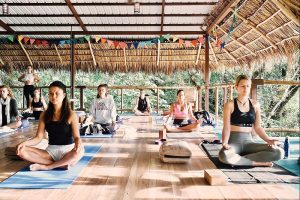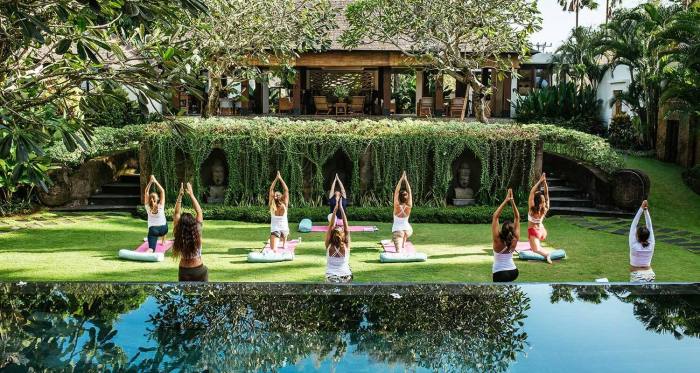
Yoga Retreats with Healthy Eating Programs offer a transformative experience, blending the physical and mental benefits of yoga with the nourishing power of mindful eating. These retreats provide a holistic approach to well-being, allowing participants to deepen their yoga practice while simultaneously cultivating healthier eating habits. Whether you’re a seasoned yogi or a curious beginner, the diverse styles and program lengths cater to various needs and experience levels, creating a personalized journey of self-discovery and rejuvenation.
From the invigorating flow of Vinyasa to the restorative calm of Yin yoga, retreats offer a range of styles to suit individual preferences. The incorporation of healthy eating, often featuring vegetarian, vegan, or Ayurvedic options, complements the yoga practice, enhancing both physical and mental clarity. Retreat locations vary widely, from serene mountain escapes to vibrant urban settings, each offering a unique ambiance conducive to relaxation and personal growth.
The overall experience fosters stress reduction, improved sleep, increased energy, and a heightened sense of self-awareness.
Benefits and Outcomes of Yoga Retreats with Healthy Eating
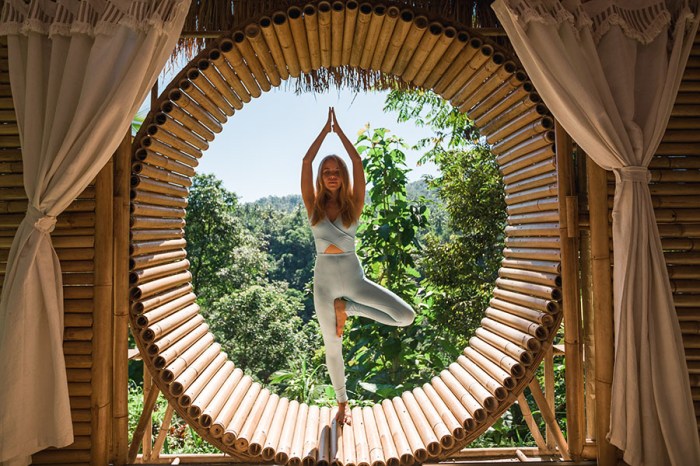
Combining yoga practice with a healthy, mindful eating program during a retreat offers a powerful synergy for enhancing physical and mental well-being. The structured environment, coupled with dedicated time for both practices, facilitates deeper self-discovery and lasting positive changes. This holistic approach addresses multiple aspects of health, resulting in significant improvements across various areas of life.
The physical benefits are multifaceted. Yoga improves flexibility, strength, and balance, reducing the risk of injury and promoting better posture. A healthy diet, tailored to individual needs during the retreat, provides the body with essential nutrients for optimal functioning, supporting energy levels and boosting the immune system. This combination leads to increased vitality and a greater sense of physical well-being.
Furthermore, the mindful aspect of both yoga and eating encourages a deeper connection with the body, promoting intuitive eating habits and a more harmonious relationship with food.
Improved Physical Health Through Integrated Yoga and Diet
Regular yoga practice, particularly when combined with a nourishing diet, contributes significantly to improved cardiovascular health, weight management, and reduced inflammation. Studies have shown that yoga can lower blood pressure and improve cholesterol levels, while a balanced diet provides the building blocks for cellular repair and overall bodily function. The retreat setting allows for consistent practice and dietary adherence, maximizing the positive impact on physical health.
For example, one participant reported a 10-pound weight loss and a significant reduction in joint pain after a week-long retreat, attributing the results to the combination of daily yoga sessions and the healthy, plant-based meals provided.
Stress Reduction and Mental Clarity Through Mindful Practices
The connection between yoga, mindful eating, and stress reduction is profound. Yoga’s emphasis on breathwork and mindful movement helps to calm the nervous system, reducing cortisol (the stress hormone) levels. Mindful eating, practiced during the retreat, encourages awareness of hunger and fullness cues, reducing emotional eating and promoting a healthier relationship with food. This combined approach cultivates a sense of inner peace and mental clarity, fostering resilience to stress and promoting emotional well-being.
Many participants report feeling significantly less stressed and more emotionally balanced after completing a retreat. One testimonial described a dramatic reduction in anxiety levels, leading to improved sleep and a more positive outlook on life.
Enhanced Sleep, Increased Energy, and Self-Awareness
A significant outcome of yoga retreats with healthy eating is improved sleep quality. The stress-reducing effects of yoga and the nourishing nature of the diet contribute to better sleep patterns. Improved sleep, in turn, boosts energy levels throughout the day, increasing productivity and overall well-being. The mindful practices incorporated into the retreat cultivate self-awareness, allowing participants to better understand their bodies’ needs and respond accordingly.
This increased self-awareness extends beyond physical health, influencing emotional regulation and decision-making. Many participants report feeling more energized, focused, and self-aware after completing a retreat, with lasting positive effects on their daily lives. For instance, a participant reported consistently improved sleep and a noticeable increase in daily energy levels, six months after attending a retreat.
Top Urban Destinations and Related Activities: Yoga Retreats With Healthy Eating Programs
Urban centers offer a vibrant blend of culture, cuisine, and entertainment, providing the perfect complement to a rejuvenating yoga retreat. Exploring these dynamic environments can enhance the overall retreat experience, offering opportunities for both relaxation and exploration beyond the yoga studio. The following sections highlight some key aspects of several popular urban destinations.
Urban Destinations: Nightlife, Shopping, and Parks
The following table presents a selection of cities, each offering a unique combination of nightlife, shopping, and green spaces. These diverse experiences can add a layer of cultural richness to your post-retreat exploration.
| City | Best Nightlife Spot | Unique Shopping Experience | Notable Urban Park |
|---|---|---|---|
| New York City, USA | The Lower East Side (diverse bars and clubs) | Chelsea Market (artisanal food and unique boutiques) | Central Park (iconic green space with various activities) |
| London, UK | Shoreditch (trendy bars and pubs) | Covent Garden (street performers and high-end shops) | Hyde Park (large park with gardens and events) |
| Tokyo, Japan | Shibuya (vibrant nightlife and iconic crossing) | Harajuku (unique fashion and street style) | Shinjuku Gyoen National Garden (beautiful gardens and serene atmosphere) |
| Bangkok, Thailand | Khao San Road (backpackers’ haven with bars and street food) | Chatuchak Weekend Market (massive market with diverse goods) | Lumphini Park (large park with lake and exercise facilities) |
| Barcelona, Spain | El Born (historic neighborhood with tapas bars and clubs) | La Boqueria Market (vibrant food market with local produce) | Parc de la Ciutadella (large park with a zoo and lake) |
Street Food Markets: A Cultural Immersion, Yoga Retreats with Healthy Eating Programs
Exploring street food markets provides a direct connection to the local culture and culinary traditions. These markets are not merely places to eat; they are vibrant social hubs reflecting the city’s character and history.
In Bangkok, Thailand, Chatuchak Weekend Market offers an overwhelming sensory experience. The sheer scale and variety of food stalls, from Pad Thai to exotic fruits, showcase the country’s rich culinary heritage. The bustling atmosphere and the friendly vendors create a truly immersive cultural experience. The market is more than just food; it’s a social gathering, a place for bargaining, and a window into Thai life.
Mexico City’s Mercado Medellín offers a different, yet equally compelling, culinary journey. The market’s history is intertwined with the city’s identity, offering a taste of traditional Mexican cuisine in a setting that reflects generations of culinary practices. The smells of chiles, spices, and freshly prepared tacos create a vibrant and unforgettable atmosphere. The market’s diverse offerings reflect the city’s multicultural tapestry.
In Marrakech, Morocco, the Djemaa el-Fna square transforms into a bustling street food market at night. The aroma of tagines, grilled meats, and sweet pastries fills the air as food vendors, storytellers, and musicians create a lively and captivating atmosphere. This vibrant nighttime market offers a unique glimpse into Moroccan culture, its traditions, and its culinary delights.
City Travel Hacks: Navigating Public Transportation
Efficient public transportation is crucial for exploring urban centers. Understanding local systems can save time and enhance your travel experience.
In London, utilizing the Oyster card or contactless payment for the Tube (subway) is highly recommended. Planning your routes using Citymapper or the Transport for London (TfL) app is essential for navigating the extensive network. Understanding zone boundaries can help you save money on fares.
Navigating Tokyo’s intricate subway system requires careful planning. Purchase a Suica or Pasmo card for seamless travel. The HyperDia app provides real-time information and route planning, making navigating this complex system significantly easier. Paying attention to platform numbers and train directions is crucial to avoid delays.
In New York City, the subway is the most efficient way to travel. Purchasing a 7-day unlimited MetroCard offers cost-effective travel. Using the Citymapper app can help plan routes, considering potential delays and alternative routes. Understanding express and local trains is crucial for optimizing travel time.
Unique Skyscraper Architecture: A Comparative Look
Skyscrapers are often iconic symbols of a city’s identity, reflecting architectural trends and engineering innovations.
The Empire State Building in New York City, a classic Art Deco skyscraper, showcases streamlined forms, decorative elements, and a sense of verticality. Its stepped setbacks and ornamented details reflect the aesthetic principles of the era. In contrast, the Burj Khalifa in Dubai, a postmodern skyscraper, showcases a unique design with a tapering form and intricate facade details, reflecting a blend of traditional Islamic architecture and modern engineering techniques.
Its height and unique architectural elements symbolize ambition and innovation. The Empire State Building’s design prioritizes verticality and a sense of elegance, while the Burj Khalifa prioritizes structural innovation and symbolic representation.
Ultimately, Yoga Retreats with Healthy Eating Programs provide a powerful pathway to holistic well-being. By combining the mindful movement of yoga with the conscious nourishment of healthy eating, participants embark on a journey of self-discovery and transformation. The lasting benefits extend beyond the retreat itself, fostering healthier habits and a deeper connection to mind, body, and spirit. Whether seeking physical rejuvenation, mental clarity, or simply a peaceful escape, these retreats offer an enriching and empowering experience.
FAQ Guide
What should I pack for a yoga retreat?
Comfortable clothing for yoga, swimwear (if applicable), toiletries, sunscreen, a journal, and any personal medications.
Are yoga retreats suitable for beginners?
Absolutely! Many retreats offer options for all levels, including beginners. It’s best to check the specific retreat’s description for details on experience levels.
What if I have dietary restrictions or allergies?
Most retreats accommodate dietary restrictions and allergies. Be sure to inform the organizers in advance so they can make the necessary arrangements.
How much does a yoga retreat typically cost?
Costs vary greatly depending on location, duration, and amenities. Expect to pay anywhere from a few hundred to several thousand dollars.