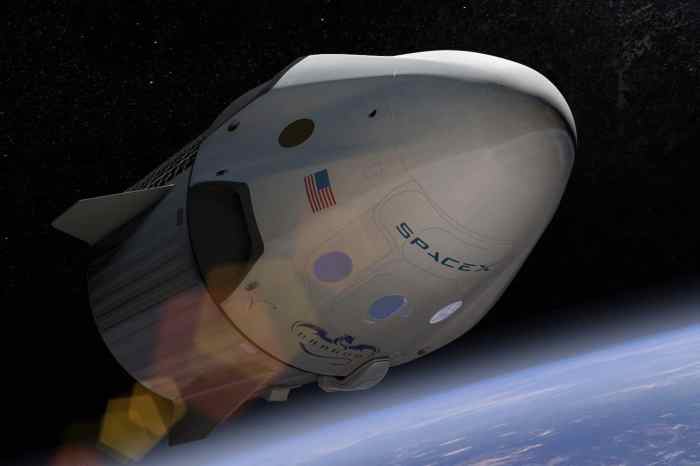
Space Tourism Companies Offering Trips are rapidly transforming the travel industry, offering unprecedented opportunities for civilians to experience the wonders of space. This burgeoning sector encompasses a range of experiences, from suborbital flights providing breathtaking views of Earth to ambitious orbital voyages and even lunar missions. The companies involved employ cutting-edge technologies and rigorous safety protocols to ensure passenger well-being, while also grappling with the environmental implications of space travel.
This exploration delves into the key players, technological advancements, safety measures, environmental considerations, and the exciting future prospects of this transformative field.
This report examines the leading companies, their offerings, pricing, and target markets, providing a comprehensive overview of the current landscape. We will also analyze the technologies powering these ventures, the safety regulations in place, and the environmental impact of space tourism. Furthermore, we will explore predictions for the future of the industry, including advancements in technology and the potential for increased accessibility and affordability.
Space Tourism Companies
The burgeoning field of space tourism is rapidly evolving, with several companies vying for a piece of this exciting new market. These companies offer a range of experiences, from brief suborbital hops to longer orbital stays and even ambitious plans for lunar missions. Understanding the market landscape, including the diverse offerings and pricing strategies, is crucial for anyone interested in this rapidly expanding sector.
Space Tourism Companies: A Market Overview
Several major players are currently shaping the space tourism industry. These companies represent varying levels of technological advancement and business models, impacting their offerings and target markets. Prominent examples include Virgin Galactic, Blue Origin, SpaceX, and Axiom Space. While some focus primarily on suborbital flights, others are developing capabilities for orbital tourism and even lunar excursions.
Types of Space Tourism Experiences
The experiences offered by space tourism companies vary considerably in duration, altitude, and overall scope. Suborbital flights provide a brief period of weightlessness and a view of Earth from above the atmosphere, typically lasting only a few minutes. Orbital flights, on the other hand, involve longer durations in space, allowing for more extensive research, experimentation, and observation. Lunar missions represent the ultimate goal for many companies, offering a chance to experience the lunar surface firsthand.
This represents a significant technological and financial leap compared to suborbital or orbital tourism.
Pricing Strategies and Target Demographics
Pricing strategies are heavily influenced by the type of experience offered, the technological complexity involved, and the level of luxury provided. Suborbital flights are currently the most accessible option, with prices ranging from hundreds of thousands of dollars. Orbital flights and lunar missions, due to their increased complexity and duration, command significantly higher prices, reaching millions of dollars. Target demographics generally reflect this pricing structure, with suborbital flights attracting a wealthier clientele, while orbital and lunar tourism remain accessible only to a very limited, ultra-high-net-worth segment of the population.
Comparison of Leading Space Tourism Companies
The following table compares key features of five leading space tourism companies. Note that pricing and timelines are subject to change and may vary based on specific mission parameters.
| Company | Cost (USD) | Duration | Experience Type |
|---|---|---|---|
| Virgin Galactic | $450,000+ | ~90 minutes | Suborbital |
| Blue Origin | $280,000+ | ~10 minutes | Suborbital |
| SpaceX | Millions (orbital); Billions (Lunar) | Variable (days to months) | Orbital & Planned Lunar |
| Axiom Space | Millions | Variable (days to weeks) | Orbital |
| Space Adventures | Millions | Variable (days to weeks) | Orbital (via partnerships with Roscosmos and other agencies) |
Space Tourism Technologies and Safety
Space tourism, while still in its nascent stages, relies on sophisticated technologies and rigorous safety protocols to ensure passenger well-being. The industry is constantly evolving, pushing the boundaries of engineering and operational procedures to mitigate the inherent risks of space travel. This section details the key technological components, safety measures, and risk mitigation strategies employed in the burgeoning space tourism sector.Spacecraft designed for space tourism utilize a variety of advanced technologies.
Suborbital vehicles, like those offered by Virgin Galactic and Blue Origin, often employ reusable rocket-powered systems for vertical takeoff and landing (VTVL). These systems integrate advanced materials, such as carbon composites, to reduce weight and enhance structural integrity. Orbital spacecraft, while less common in the tourism sector currently, leverage more complex propulsion systems, potentially including reusable engines and advanced life support systems capable of sustaining a crew for extended durations.
Precise navigation and guidance systems, coupled with sophisticated onboard computers, are critical for ensuring accurate trajectories and safe landings. Furthermore, robust communication systems are essential for maintaining contact with ground control throughout the flight.
Spacecraft Technologies
Suborbital vehicles primarily utilize rocket propulsion for a brief period of powered flight to reach altitudes above the Karman line (100 km). They rely on aerodynamic control surfaces for atmospheric re-entry and landing, often employing a combination of parachutes and controlled descent techniques. Orbital spacecraft, on the other hand, require more powerful propulsion systems to achieve orbital velocity and maintain their altitude.
These systems are typically more complex and might include multiple stages of rocket engines, as seen in the SpaceX Falcon 9, though many are currently not reusable. Advanced life support systems are crucial for longer orbital missions, providing oxygen, removing carbon dioxide, and regulating temperature and pressure within the spacecraft cabin. Sophisticated avionics and control systems manage all aspects of the spacecraft, from navigation and guidance to engine control and life support monitoring.
Safety Protocols and Regulations
The safety of space tourists is paramount, leading to the development of rigorous safety protocols and regulations. These protocols cover all aspects of the mission, from pre-flight training and medical screening to in-flight procedures and emergency response plans. International organizations, such as the International Space Station (ISS) partners, along with national space agencies like NASA, ESA, and others, play a significant role in setting standards and best practices for spaceflight safety.
Furthermore, individual space tourism companies develop their own stringent safety procedures, often exceeding regulatory minimums. These procedures are meticulously documented and reviewed regularly to incorporate lessons learned and technological advancements. Pre-flight training is extensive, preparing tourists for the unique stresses and challenges of spaceflight. This training includes emergency procedures, escape techniques, and physical conditioning.
Potential Risks and Mitigation Strategies
Space travel inherently involves several potential risks. These include mechanical failures, human error, radiation exposure, and the physiological effects of spaceflight on the human body. Mechanical failures, such as engine malfunctions or structural damage, are mitigated through rigorous testing, redundancy in critical systems, and thorough pre-flight inspections. Human error is addressed through extensive training, crew resource management techniques, and the use of automated systems to reduce the workload on the crew.
Radiation exposure is minimized by careful mission planning and the use of shielding materials within the spacecraft. The physiological effects of spaceflight, such as bone loss and muscle atrophy, are mitigated through pre- and post-flight conditioning programs and the development of countermeasures to be used during spaceflight. Emergency escape systems, such as ejection seats for suborbital flights or emergency escape pods for orbital flights, are integrated into the spacecraft design to provide backup options in case of critical failures.
Suborbital Spaceflight Emergency Procedures Flowchart
The following describes a flowchart for emergency procedures during a hypothetical suborbital spaceflight. The flowchart would visually represent a decision tree, starting with the identification of an emergency (e.g., engine failure, loss of cabin pressure, etc.). Each branch would represent different actions taken based on the specific emergency, leading to a series of steps designed to ensure passenger safety.
The flowchart would clearly depict the communication protocols with ground control, the execution of emergency procedures, and the activation of backup systems. The ultimate goal of the flowchart would be to safely return the spacecraft and its occupants to the ground. For example, a loss of cabin pressure would trigger an immediate descent, while an engine failure might necessitate the use of backup propulsion systems or an emergency landing procedure.
The flowchart would detail each step and decision point, providing a clear and concise guide for the crew in a crisis.
The Environmental Impact of Space Tourism
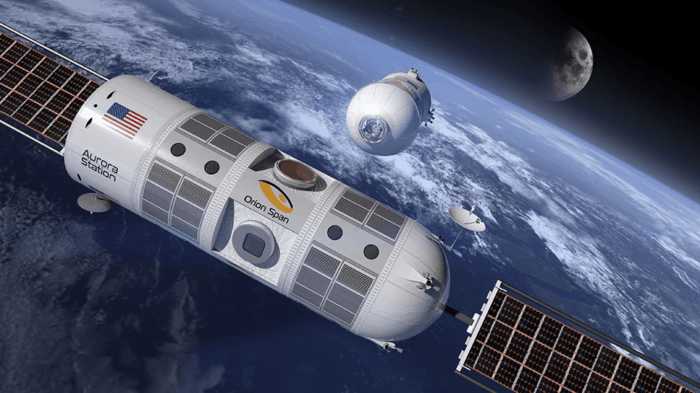
The burgeoning field of space tourism, while exciting, presents significant environmental challenges. The launch of rockets, the deployment of satellites, and even the presence of tourists in space all contribute to a growing environmental footprint that demands careful consideration and proactive mitigation strategies. Understanding this impact is crucial for ensuring the responsible development of this emerging industry.
Space Debris and Orbital Pollution
The accumulation of space debris poses a substantial threat to both the environment and the continued viability of space activities. Rocket launches, satellite malfunctions, and even collisions between objects in orbit generate fragments of varying sizes, ranging from spent rocket stages to tiny paint flecks. These pieces of debris travel at incredibly high speeds, creating a significant risk of collisions with operational satellites and spacecraft.
The Kessler Syndrome, a theoretical cascade effect where collisions create more debris, leading to an exponentially increasing amount of space junk, highlights the potential for a catastrophic disruption of space-based infrastructure. The environmental impact extends beyond the immediate threat to spacecraft; re-entering debris can create atmospheric pollution and even pose a small but non-zero risk of ground impacts.
For example, the uncontrolled re-entry of the Chinese Long March 5B rocket stage in 2022 highlighted the potential dangers of large debris pieces falling back to Earth.
Greenhouse Gas Emissions from Rocket Launches
Rocket launches contribute significantly to greenhouse gas emissions, primarily through the combustion of propellants. The exhaust plumes from rockets contain substantial amounts of carbon dioxide, water vapor, soot, and other pollutants that can have a negative impact on the Earth’s atmosphere and climate. While the overall contribution of space tourism to global greenhouse gas emissions is currently relatively small compared to other sectors, the projected growth of the industry necessitates a careful assessment of its cumulative impact.
The development of more environmentally friendly propellants and propulsion systems is crucial for mitigating this issue. For instance, research into alternative fuels like methane and oxygen, which produce less soot and greenhouse gases than traditional propellants, is showing promising results.
Sustainable Practices for Space Tourism
Minimizing the environmental impact of space tourism requires a multifaceted approach involving technological advancements, policy changes, and responsible operational practices. This includes developing reusable launch vehicles to reduce the amount of debris generated, implementing advanced debris tracking and mitigation technologies, and designing spacecraft with reduced environmental footprints. Furthermore, strict regulations and international cooperation are essential for managing orbital debris and promoting responsible space activities.
The development of cleaner propellants and the adoption of more fuel-efficient launch vehicles are also critical steps toward environmental sustainability in the space tourism sector.
Recommendations for Environmentally Responsible Space Tourism Operations, Space Tourism Companies Offering Trips
The following recommendations can contribute to environmentally responsible space tourism operations:
- Invest in and utilize reusable launch vehicles to minimize the generation of space debris.
- Develop and implement advanced technologies for tracking and removing space debris.
- Employ cleaner and more efficient propulsion systems with reduced greenhouse gas emissions.
- Establish stringent regulations and international cooperation for managing orbital debris and space activities.
- Promote the development and use of environmentally friendly materials in spacecraft construction.
- Conduct thorough environmental impact assessments before undertaking any space tourism activity.
- Foster public awareness and education about the environmental implications of space tourism.
The Future of Space Tourism
The space tourism industry, currently in its nascent stages, is poised for explosive growth over the next 10-20 years. Driven by technological advancements, decreasing costs, and a growing public fascination with space, we can expect a significant shift in the accessibility and offerings of space travel experiences. This evolution will transform space tourism from a niche activity for the ultra-wealthy to a more inclusive and diverse market, opening up opportunities for a wider range of individuals.
Projected Trajectory of the Space Tourism Industry
The next decade will likely see a substantial increase in the number of suborbital and orbital spaceflights. Companies like Virgin Galactic and Blue Origin are already offering suborbital flights, paving the way for more frequent and potentially less expensive trips. Orbital tourism, while still significantly more expensive, is also expected to see a rise in demand as technology matures and infrastructure develops.
We might see the emergence of space hotels and longer-duration orbital stays, mirroring the early days of air travel, where long-distance flights were initially exclusive and expensive, but eventually became more accessible and affordable. The market will likely see a diversification of offerings, moving beyond simple sightseeing trips to encompass more specialized experiences, such as scientific research participation or extended stays in space habitats.
For example, a potential scenario could be a yearly increase of commercial suborbital flights from the current hundreds to several thousands, and a gradual increase in orbital tourism, starting with a few hundred flights annually and escalating to a few thousand in 20 years.
Advancements in Space Travel Technology
Several technological advancements will significantly impact the future of space tourism. Reusable launch vehicles, like SpaceX’s Starship, are crucial for reducing the cost of space travel. Improved propulsion systems, such as advanced rocket engines and potentially even nuclear thermal propulsion for longer missions, will allow for faster and more efficient travel. The development of in-space infrastructure, including space stations and orbital fuel depots, will reduce reliance on Earth-based launches and enable more complex and longer-duration space tourism activities.
Furthermore, advancements in life support systems and radiation shielding will enhance passenger safety and comfort during longer spaceflights. The development of more efficient and robust life support systems, coupled with the refinement of radiation shielding technology, could enable longer duration stays in space, opening up possibilities for lunar or even Martian tourism in the longer term.
Increased Accessibility and Affordability of Space Tourism
The key to making space tourism more accessible and affordable lies in reducing the cost per passenger. Reusable launch vehicles are a crucial element, as are economies of scale. As more companies enter the market and the volume of flights increases, the cost per seat will inevitably decrease. Furthermore, innovative financing models, such as fractional ownership or subscription services, could make space travel more attainable for a broader segment of the population.
The development of more efficient manufacturing processes for spacecraft components and the use of advanced materials could also help drive down costs. For example, imagine a scenario where a suborbital flight costs as much as a first-class international flight within the next 20 years, making it significantly more accessible to the average person.
Projected Milestones in Space Tourism Development
The following timeline represents projected milestones, acknowledging the inherent uncertainties in predicting future technological advancements and market adoption:
| Year | Milestone |
|---|---|
| 2025-2030 | Increased frequency of suborbital flights; First commercial space hotels in low Earth orbit (LEO); Significant cost reduction in suborbital tourism. |
| 2030-2035 | Regular orbital tourism flights; Development of lunar tourism infrastructure (e.g., lunar landing sites, habitats); Further cost reduction in both suborbital and orbital flights. |
| 2035-2040 | Increased duration of orbital stays; Development of advanced life support systems for longer missions; Potential for initial Martian tourism exploration missions (highly ambitious). |
The rise of space tourism represents a pivotal moment in human history, pushing the boundaries of exploration and accessibility to space. While challenges remain, particularly regarding environmental impact and cost, the industry’s trajectory points towards a future where space travel becomes increasingly common and affordable. Continued innovation in technology, coupled with robust safety regulations and a commitment to sustainability, will be crucial in shaping a responsible and thriving space tourism sector.
The potential for scientific discovery, economic growth, and a broadened human perspective is immense, promising a new era of exploration and adventure.
FAQ Overview: Space Tourism Companies Offering Trips
What is the average cost of a suborbital spaceflight?
The cost varies significantly depending on the company and the specific experience offered, but generally ranges from $250,000 to $500,000 or more.
How long does a typical space tourism trip last?
This depends greatly on the type of flight. Suborbital flights usually last a few hours, while orbital flights can extend to several days or even weeks.
What kind of physical training is required for space tourism?
Most companies provide specific training programs, but generally, good health and a moderate level of fitness are required. Specific requirements vary by company and trip type.
What happens if there is an emergency during a spaceflight?
Space tourism companies have comprehensive emergency protocols and highly trained personnel to manage any unforeseen circumstances. These protocols are rigorously tested and regularly updated.