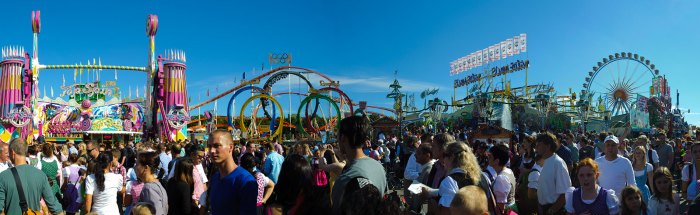
Oktoberfest Travel Packages in Germany offer an unparalleled opportunity to experience the world’s most famous beer festival. These packages typically bundle flights, accommodation, and festival tickets, often including guided tours and other extras, providing a seamless and enjoyable trip. Whether you’re seeking a budget-friendly adventure or a luxurious escape, various options cater to different preferences and budgets, ensuring a memorable Oktoberfest experience for everyone.
From the lively atmosphere of Munich’s main festival grounds to smaller, more intimate celebrations in other Bavarian towns, the options are diverse. Understanding the different types of packages available, including considerations for family travel, transportation logistics, and accommodation choices, is key to planning a successful trip. This guide explores these aspects and more, helping you craft the perfect Oktoberfest getaway.
Accommodation Options during Oktoberfest
Securing suitable accommodation during Oktoberfest is crucial for a smooth and enjoyable trip. The sheer influx of visitors to Munich during this period means that booking well in advance is essential, regardless of your preferred accommodation type. Prices naturally inflate, and availability dwindles as the festival approaches. Let’s explore the various options available and their respective pros and cons.
Hotel Accommodation
Hotels offer a range of amenities and levels of comfort, from budget-friendly options to luxurious suites. Location is a key factor; hotels closer to the Theresienwiese (the Oktoberfest grounds) command higher prices but offer unparalleled convenience. Further-out hotels may be more affordable but require longer travel times, potentially involving public transport or taxis. Consider factors like star rating, included breakfast, and on-site amenities when making your decision.
Examples include the luxurious Bayerischer Hof, offering a premium experience, or more moderately priced options such as the Hotel Torbräu, located closer to the city center, requiring a short journey to the festival grounds.
Hostel Accommodation
Hostels present a budget-friendly alternative, particularly appealing to solo travelers or groups of friends. They often feature shared dorm rooms, offering a social atmosphere, but private rooms are also available in many hostels. Location can vary significantly, with some hostels situated near the city center, requiring public transport to reach the festival, while others might be further out, potentially impacting travel time.
The trade-off is between cost savings and convenience. Examples include Wombats City Hostel Munich Hauptbahnhof, conveniently located near the main train station, or Euro Youth Hotel Munich City, offering a more centrally located experience, though possibly further from the festival than others.
Airbnb Accommodation
Airbnb provides a diverse range of options, from private apartments to entire houses, offering greater flexibility and potentially more space than hotels or hostels. Prices vary considerably depending on location, size, and amenities. Finding an Airbnb close to the Oktoberfest grounds can be challenging and expensive, while options further out might be more affordable but require additional travel time.
Consider factors such as proximity to public transport and the overall safety and cleanliness of the property. For example, an apartment near the Englischer Garten could offer a quieter alternative, further from the festival’s hustle and bustle, but require more travel time.
Accommodation Comparison Table
| Accommodation Type | Price Range (per night) | Proximity to Oktoberfest |
|---|---|---|
| Budget Hotel | €50-€150 | Moderate to Far (requires public transport) |
| Mid-Range Hotel | €150-€300 | Close to Moderate (potential walkable distance or short transport) |
| Luxury Hotel | €300+ | Close (potentially walkable distance) |
| Hostel (Dorm Bed) | €25-€50 | Variable (depends on location) |
| Hostel (Private Room) | €50-€100 | Variable (depends on location) |
| Airbnb (Apartment) | €80-€300+ | Variable (depends on location) |
Transportation to and within Germany during Oktoberfest
Planning your trip to Oktoberfest requires careful consideration of transportation, especially given the influx of visitors during this peak season. Securing travel arrangements well in advance is crucial for a smooth and enjoyable experience, avoiding potential delays and inflated prices. This section will Artikel various transportation options available to and from Oktoberfest, along with helpful tips for navigating them.Getting to Munich and navigating the city during Oktoberfest requires proactive planning.
Booking flights and other transportation to Munich well in advance is strongly recommended. October is a popular travel month, and flight and train prices tend to increase closer to the event. Consider booking your flights and train tickets at least three to six months prior, especially if traveling during peak dates. Flexibility in travel dates can also help you secure better deals.
Booking Flights and Transportation in Advance
Booking flights and other transportation to Munich well in advance is essential, especially during Oktoberfest. Airlines often release their schedules several months ahead of time, allowing for early bird discounts and a wider selection of flight options. Similarly, booking train tickets in advance, particularly for high-speed rail services like the ICE (Intercity-Express), often secures lower fares compared to last-minute purchases.
Websites like Deutsche Bahn (DB) allow for advance bookings, providing a clear overview of schedules and prices. For those driving, pre-booking parking near the Oktoberfest grounds is also recommended, as parking spaces fill up quickly. Planning and booking in advance ensures a stress-free arrival, mitigating potential travel disruptions during the peak season.
Transportation Options within Germany
Germany boasts an excellent public transportation system, making it relatively easy to travel between cities and within Munich itself. Several options cater to different preferences and budgets.
Train Travel in Germany
The German railway network, Deutsche Bahn (DB), is extensive and efficient. High-speed trains connect major cities, offering a comfortable and convenient way to reach Munich. Regional trains provide access to smaller towns and surrounding areas. The DB website allows for easy online booking and provides real-time schedule information. Consider purchasing a rail pass if you plan on extensive train travel throughout Germany.
Remember that trains can get crowded during Oktoberfest, so reserving seats in advance is advisable.
Bus Travel in Germany
Bus travel is a budget-friendly alternative to train travel, particularly for longer distances. Several bus companies operate throughout Germany, offering a network of routes connecting various cities. While bus journeys may take longer than train travel, they are often significantly cheaper. Online booking platforms provide convenient access to schedules and ticket purchasing.
Rental Cars in Germany
Renting a car provides flexibility, especially for exploring areas beyond Munich’s city center or venturing into the Bavarian countryside. However, parking in Munich can be challenging and expensive, particularly during Oktoberfest. Driving in larger cities can also be stressful, especially during peak hours. Consider the overall costs, including parking fees and potential tolls, before opting for a rental car.
If you choose to rent a car, booking well in advance is recommended to secure the best rates and vehicle availability.
Navigating Public Transportation During Oktoberfest
Oktoberfest significantly increases passenger numbers on Munich’s public transport system. The Munich U-Bahn (subway) and S-Bahn (commuter rail) are efficient ways to navigate the city, but expect higher passenger volumes.
Tips for Navigating Public Transportation During Oktoberfest
- Plan your routes in advance using journey planner apps or websites.
- Consider traveling outside of peak hours to avoid overcrowding.
- Purchase day or multi-day passes for cost-effectiveness.
- Allow extra travel time to account for potential delays.
- Be aware of potential service disruptions and alternative routes.
Things to Do Beyond Oktoberfest
Oktoberfest is undoubtedly a highlight of any trip to Germany, but the country offers a wealth of experiences beyond the beer tents and festive atmosphere. Exploring these alternatives ensures a well-rounded and memorable journey, allowing you to appreciate the diverse cultural tapestry Germany has to offer. This section details alternative activities and day trips, helping you create a balanced itinerary that combines the excitement of Oktoberfest with the charm of other German attractions.Exploring Germany beyond the confines of Oktoberfest reveals a country rich in history, culture, and stunning landscapes.
From majestic castles to charming medieval towns, from world-class museums to breathtaking natural parks, there’s something for every traveler. By strategically planning your trip, you can seamlessly integrate these experiences with the festivities, creating a truly unforgettable German adventure.
Alternative Activities and Attractions in Germany
Germany boasts a diverse range of attractions appealing to various interests. History buffs can delve into the rich past through visits to iconic castles like Neuschwanstein Castle, a fairytale-like structure that inspired Disney’s Sleeping Beauty castle, or explore the remnants of the Berlin Wall, a powerful symbol of German history. Art enthusiasts can immerse themselves in the masterpieces of the Alte Pinakothek in Munich or the numerous galleries in Berlin.
Nature lovers can hike in the Bavarian Alps or explore the Black Forest’s enchanting landscapes. These are just a few examples of the myriad possibilities beyond the Oktoberfest celebrations.
Day Trips from Munich
Munich serves as an excellent base for exploring Bavaria and beyond. Several easily accessible day trips offer a respite from the Oktoberfest crowds while providing a taste of Bavarian culture and scenery.A trip to Neuschwanstein Castle, a short train and bus ride from Munich, offers a glimpse into a bygone era. Imagine the grandeur of the castle, its intricate architecture and breathtaking location perched atop a hill overlooking the Alps.
Picturesque views of the surrounding landscape are a bonus.Another popular day trip is to Salzburg, Austria, a charming city with a rich musical history, home to Mozart. The journey is scenic and the city itself offers a different cultural experience, complete with beautiful architecture and a vibrant atmosphere.A quieter, yet equally rewarding day trip is to the picturesque town of Rothenburg ob der Tauber, a medieval walled city that has remarkably preserved its historical charm.
Cobblestone streets, half-timbered houses, and stunning city walls create a captivating atmosphere.
Planning a Balanced Oktoberfest Itinerary
To maximize your German experience, it’s crucial to plan a balanced itinerary that integrates Oktoberfest with other activities. Consider spending the first few days exploring Munich and its surrounding areas, visiting museums, enjoying the city’s parks, and taking a day trip or two before fully immersing yourself in the Oktoberfest celebrations. Allocate several days to the festival itself, experiencing the beer tents, traditional food, and lively atmosphere.
After Oktoberfest, you can embark on further day trips or extend your stay to explore other regions of Germany, such as the Romantic Road or the Rhine Valley. This approach allows for a diverse and fulfilling trip, preventing festival fatigue and offering a comprehensive taste of German culture and scenery. For example, a ten-day trip could include three days in Munich before Oktoberfest, four days at the festival, and three days exploring other Bavarian towns or cities.
Top Urban Destinations in Germany (Related Topic)
Germany boasts a rich tapestry of urban experiences, each city offering a unique blend of history, culture, and modern life. Choosing where to explore can be challenging, but focusing on a few key destinations provides a fantastic introduction to German urban life. This section highlights five prominent cities, comparing their cultural offerings and suggesting activities to enhance your visit.Germany’s diverse urban landscape provides a wealth of cultural experiences.
From the historical grandeur of Munich to the vibrant art scene of Berlin, each city offers a distinct atmosphere and set of attractions. Understanding these differences allows travelers to tailor their itinerary to their specific interests and preferences. The comparison below emphasizes the contrasting aspects of each city’s cultural identity.
Top Five German Cities and Their Unique Appeal
Berlin, Munich, Hamburg, Cologne, and Frankfurt represent a compelling cross-section of German urban life. Each city possesses a distinct character shaped by its history, architecture, and cultural heritage.
- Berlin: A city reborn after reunification, Berlin pulsates with a vibrant energy, a blend of historical weight and modern dynamism. Its iconic Brandenburg Gate stands as a symbol of both past struggles and future aspirations. The city’s multifaceted art scene, thriving nightlife, and diverse population contribute to its unique appeal.
- Munich: The capital of Bavaria, Munich exudes a traditional charm, particularly evident during Oktoberfest. Its elegant architecture, world-class museums, and stunning parks create a sophisticated yet welcoming atmosphere. The city’s rich cultural heritage is interwoven with its modern amenities.
- Hamburg: Germany’s second-largest city, Hamburg is a bustling port city with a maritime history reflected in its architecture and culture. Its canals, Speicherstadt (warehouse district), and vibrant harbor create a unique urban landscape. The city’s cosmopolitan atmosphere is further enhanced by its diverse culinary scene.
- Cologne: Famous for its magnificent cathedral, Cologne offers a blend of Roman history and modern dynamism. The city’s relaxed atmosphere, lively cultural scene, and numerous museums attract visitors from around the world. Its proximity to the Rhine River adds to its scenic appeal.
- Frankfurt: Germany’s financial center, Frankfurt is a modern metropolis with a striking skyline dominated by skyscrapers. Despite its contemporary character, the city boasts historical sites and museums, showcasing a blend of old and new. Its efficient infrastructure and international atmosphere make it a dynamic hub.
Cultural Experiences: A Comparison
The cultural experiences offered by these cities differ significantly. Berlin offers a cutting-edge, contemporary feel, emphasizing art, music, and alternative lifestyles. Munich, in contrast, leans towards tradition, showcasing Bavarian culture, classical music, and a more formal atmosphere. Hamburg offers a maritime-infused culture, with a focus on its port history and international connections. Cologne blends Roman history with a modern, relaxed vibe.
Finally, Frankfurt’s culture is defined by its role as a global financial center, with a blend of international influences and modern architecture.
Recommended Activities in Each City
This section provides a selection of activities designed to highlight the unique character of each city.
- Berlin: Visit the Brandenburg Gate, explore Museum Island, experience the vibrant nightlife in Kreuzberg, and wander through Tiergarten park.
- Munich: Explore the Marienplatz, visit the Deutsches Museum, enjoy a traditional Bavarian meal, and attend a classical music concert at the Gasteig.
- Hamburg: Take a harbor cruise, explore the Speicherstadt, visit the Miniatur Wunderland, and enjoy the vibrant nightlife in the St. Pauli district.
- Cologne: Visit the Cologne Cathedral, explore the Roman-Germanic Museum, wander along the Rhine River, and enjoy the Kölsch beer in a traditional Brauhaus.
- Frankfurt: Visit the Römerberg, explore the Städel Museum, ascend the Main Tower for panoramic views, and experience the vibrant culinary scene.
Best Cities for Nightlife in Germany (Related Topic)
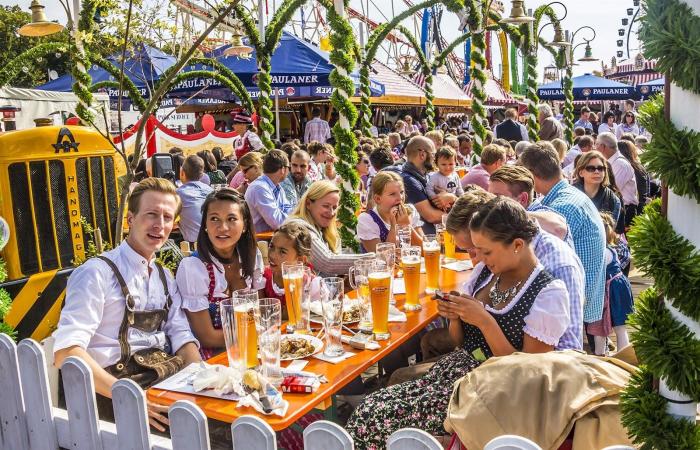
Germany boasts a diverse and vibrant nightlife scene, catering to a wide range of tastes and preferences. From traditional pubs to modern clubs, there’s something for everyone. This section highlights three German cities particularly renowned for their exceptional nightlife offerings.
Berlin’s Diverse Nightlife Landscape
Berlin’s nightlife is legendary, offering a truly eclectic mix of experiences. Its history as a melting pot of cultures has shaped its diverse bar and club scene. The city’s nightlife is characterized by its late hours, experimental styles, and tolerance. You can find anything from underground techno clubs in abandoned factories to sophisticated cocktail bars in repurposed historical buildings.
The atmosphere is generally relaxed and open-minded, fostering a sense of freedom and self-expression. Examples of different types of nightlife venues include Berghain (a world-renowned techno club known for its rigorous door policy), Klunkerkranich (a rooftop bar with panoramic city views), and countless smaller, independent bars scattered throughout the city’s various neighborhoods.
Munich’s Traditional and Modern Blend
While primarily known for Oktoberfest, Munich’s nightlife extends far beyond its annual beer festival. The city offers a blend of traditional Bavarian pubs and modern, international-style bars and clubs. The atmosphere is generally more traditional and convivial than Berlin’s, though it still retains a lively and energetic vibe. Traditional beer gardens, like the Augustiner-Keller, offer a classic Bavarian experience, while more contemporary venues like the Pacha Munich provide a more international clubbing experience.
The city also boasts a variety of cocktail bars and pubs catering to a wide range of preferences.
Hamburg’s HafenCity and Reeperbahn
Hamburg’s nightlife is largely defined by two distinct areas: the HafenCity, a modern harbor district with stylish bars and restaurants, and the Reeperbahn, the city’s infamous red-light district, pulsating with a vibrant and sometimes raucous energy. The HafenCity offers a more sophisticated and upscale atmosphere, with trendy bars and clubs overlooking the harbor. The Reeperbahn, on the other hand, provides a much more raw and energetic experience, with a variety of bars, clubs, and other entertainment venues catering to a diverse crowd.
The contrast between these two areas makes Hamburg’s nightlife particularly unique and multifaceted. Examples of venues include the Mojo Club (a renowned live music venue) and numerous bars and pubs along the Reeperbahn.
Shopping Travel Guides for German Cities
Germany offers a diverse and exciting shopping experience, catering to every taste and budget. From traditional crafts and local delicacies to high-end designer boutiques and international brands, German cities provide a unique blend of old-world charm and modern sophistication. This guide explores the shopping scenes in three major German cities, highlighting key districts and price ranges.
Unique Shopping Experiences in Berlin, Munich, and Hamburg
Berlin, Munich, and Hamburg each offer distinct shopping experiences reflecting their unique character. Berlin, known for its edgy and alternative style, boasts independent boutiques alongside flagship stores. Munich, with its Bavarian heritage, showcases traditional crafts and local products alongside upscale international brands. Hamburg, a major port city, blends maritime influences with a cosmopolitan shopping scene, offering everything from high street fashion to luxury goods.
Shopping Districts: Local Crafts and Designer Brands
Several distinct shopping districts in these cities offer specialized experiences. In Berlin, the Hackesche Höfe offers a labyrinthine network of courtyards housing independent boutiques and art galleries, perfect for discovering unique items and local designers. Munich’s Maximilianstraße is renowned for its luxurious boutiques and designer flagship stores, offering high-end fashion and accessories. Hamburg’s Speicherstadt, a historic warehouse district, offers a unique shopping experience with boutiques and galleries housed in beautifully preserved brick buildings, many showcasing maritime-themed goods.
Meanwhile, the Mönckebergstraße in Hamburg provides a more traditional high street shopping experience with a wide variety of international brands and department stores.
Shopping Options Across Different Price Ranges
| City | Budget-Friendly | Mid-Range | Luxury |
|---|---|---|---|
| Berlin | Markets (e.g., Mauerpark Flea Market), independent boutiques in neighborhoods like Friedrichshain and Kreuzberg | Department stores (e.g., Galeria Kaufhof), shops on Kurfürstendamm | Designer boutiques on Kurfürstendamm, luxury department stores |
| Munich | Shops around Viktualienmarkt, smaller boutiques in the Altstadt (Old Town) | Shops on Kaufinger Straße, department stores (e.g., Galeria Kaufhof) | Boutiques on Maximilianstraße, luxury department stores |
| Hamburg | Shops in the Speicherstadt (some smaller boutiques), flea markets | Shops on Mönckebergstraße, department stores (e.g., Galeria Kaufhof) | Designer boutiques in the Neustadt district, luxury department stores |
Urban Architecture Tours in Germany
Germany boasts a rich architectural heritage, reflecting centuries of history and diverse stylistic influences. A journey through its cities offers a captivating exploration of architectural styles, from medieval castles to modern marvels. This section highlights the architectural styles prevalent in three significant German cities, showcasing famous landmarks and suggesting an itinerary for an architecture-focused city tour.
Architectural Styles of Berlin, Munich, and Cologne
Berlin, Munich, and Cologne each offer unique architectural landscapes, shaped by their historical experiences and urban development. These cities showcase a blend of architectural styles, from the medieval to the modern, reflecting their dynamic pasts and ongoing evolution.
Berlin’s Architectural Landscape
Berlin’s architecture is a compelling narrative of its history. The city bears the scars and triumphs of its past, evident in its buildings. The Brandenburg Gate, a neoclassical triumphal arch, stands as a symbol of German reunification and a testament to the city’s resilience. The Reichstag Building, with its iconic glass dome, exemplifies modern architectural design and its integration into a historical context.
The East Side Gallery, a preserved section of the Berlin Wall, is a unique open-air art gallery, reflecting the city’s division and reunification. Many buildings in Berlin showcase the functionalist and modernist styles of the early to mid-20th century, a reflection of the city’s post-war reconstruction. The influence of Prussian architecture is also visible in numerous government buildings and grand residences.
Munich’s Architectural Character, Oktoberfest Travel Packages in Germany
Munich’s architecture blends Baroque grandeur with traditional Bavarian styles. The Frauenkirche, with its distinctive twin towers, is a symbol of the city and a prime example of late Gothic architecture. The Residenz, a sprawling complex of palaces and gardens, reflects the opulence of Bavarian royalty. The Nymphenburg Palace, a Baroque masterpiece, showcases the lavishness of the Wittelsbach dynasty.
Munich also displays examples of Art Nouveau and Art Deco styles, particularly in buildings constructed during the early 20th century. The city’s architecture reflects its rich history and cultural heritage, blending different styles seamlessly.
Cologne’s Architectural Heritage
Cologne is renowned for its Romanesque architecture, most notably exemplified by the Cologne Cathedral, a masterpiece of Gothic architecture. Its towering spires dominate the city skyline and stand as a testament to the city’s enduring spirit. The Roman-Germanic Museum showcases Roman ruins, illustrating the city’s ancient origins. Cologne’s architectural landscape also features examples of Baroque and modern architecture, reflecting its diverse history and ongoing urban development.
The city’s architectural tapestry is a testament to its enduring significance as a major European center.
Suggested Architecture-Focused City Tour Itinerary (Berlin)
This itinerary focuses on Berlin, showcasing its diverse architectural styles.Day 1: Morning – Brandenburg Gate, Reichstag Building, exploring the government district. Afternoon – Museum Island, focusing on classical architecture and museum buildings. Evening – Stroll through the East Side Gallery.Day 2: Morning – Charlottenburg Palace, showcasing Baroque architecture and palace gardens. Afternoon – Explore the architectural styles of the Kurfürstendamm, showcasing a blend of styles from different periods.
Evening – Visit a modern architectural building such as the Potsdamer Platz.Day 3: Morning – Explore the architectural styles of the Nikolaiviertel, Berlin’s oldest residential area. Afternoon – Visit the Berlin Cathedral and other notable churches, illustrating diverse architectural styles. Evening – Enjoy a final walk through the city, taking in the overall architectural landscape. This itinerary can be adapted and tailored to individual interests and time constraints.
Similar itineraries can be developed for Munich and Cologne, focusing on their respective architectural highlights.
Street Food and Markets in German Cities
Germany offers a vibrant street food scene, far beyond the stereotypical pretzels and sausages. Each city boasts its own unique culinary offerings, reflecting local traditions and ingredients. Exploring these markets provides a fantastic opportunity to experience authentic German culture and sample delicious, affordable food. The atmosphere is generally lively and informal, making it a perfect way to engage with the local population.
Popular Street Food Examples Across German Cities
Many German cities have their own signature street food items. Munich, famous for its Oktoberfest, naturally features hearty sausages like Weißwurst (white sausage) and Bratwurst, often served with sweet mustard and pretzels. Berlin, known for its diverse culinary landscape, offers Currywurst (sausage topped with curry ketchup), a truly iconic German street food. Hamburg, a port city, boasts its own version of fish and chips, reflecting its maritime history.
In Cologne, you’ll find Kölsch, a local beer, often enjoyed alongside hearty snacks like Halve Hahn (a rye bread roll with cheese). These examples highlight the regional diversity of German street food, showcasing the unique culinary traditions of each city.
Atmospheres of Various Street Food Markets
The atmosphere at German street food markets varies depending on the location and time of year. Markets held during festive occasions, like Christmas markets, often have a magical, warm atmosphere, filled with twinkling lights and the aroma of roasted nuts and Glühwein (mulled wine). Summer markets tend to be more vibrant and lively, with outdoor seating and a relaxed atmosphere.
Regardless of the season, most markets are characterized by a friendly, welcoming atmosphere, encouraging interaction between vendors and customers. The sounds of lively conversations, the sizzle of food cooking, and the general buzz of activity contribute to a unique and immersive experience.
A Guide to Finding Authentic and Delicious Street Food
Finding authentic and delicious street food in German cities is easier than you might think. Look for markets that are well-attended by locals, a good indication of quality and authenticity. Don’t be afraid to venture beyond the tourist hotspots; often, the most delicious food is found in smaller, less-visited markets. Pay attention to the queues; long lines often signify popular and delicious food.
Observe the preparation methods; fresh ingredients and meticulous preparation are key indicators of quality. Finally, embrace the experience! Engage with the vendors, ask questions, and be open to trying new things. The friendly atmosphere and delicious food will make it a memorable culinary adventure.
City Travel Hacks for Germany
Germany offers a fantastic travel experience, but smart planning can significantly enhance your trip and save you money. This section details practical tips to navigate German cities efficiently and avoid common tourist pitfalls, ensuring a smoother and more affordable adventure.
Saving Money in German Cities
Budget travel in Germany is achievable with careful planning. Accommodation costs can be a significant expense, so consider alternatives to hotels. Hostels offer budget-friendly options, particularly for solo travelers or groups. Websites like Hostelworld and Booking.com can help you find suitable options. Furthermore, Airbnb provides access to apartments and rooms, often offering better value for money, especially for longer stays.
Food costs can also be managed; avoiding tourist-heavy restaurants in favor of local eateries (Imbiss stands or smaller restaurants away from major attractions) significantly reduces expenses. Taking advantage of supermarket options for breakfast and lunch is also a cost-effective strategy. Finally, purchasing a City Pass, if available in your destination, can offer discounts on attractions and public transport, providing savings in the long run.
Efficient Public Transport Navigation
Germany boasts an excellent and efficient public transport system. Familiarizing yourself with the local transport networks before arrival is crucial. Websites like Deutsche Bahn (DB) provide comprehensive information on train schedules and routes. Most cities have well-defined regional transport networks (often using apps like Google Maps or local transport apps), making it easy to navigate using trams, buses, and subways (U-Bahn/S-Bahn).
Purchasing day or multi-day passes can be more economical than individual tickets, especially if you plan on using public transport frequently. Validating your tickets upon boarding is essential to avoid fines. Remember to check for specific fare zones to ensure you purchase the correct ticket.
Avoiding Common Tourist Traps
Tourist traps often involve inflated prices and subpar experiences. Researching attractions beforehand and reading reviews can help you identify and avoid these pitfalls. Be wary of overly enthusiastic street vendors or tour guides offering suspiciously cheap deals; they may lead you to overpriced restaurants or shops. Opting for walking tours from reputable companies or using self-guided walking tours (with information readily available online) can provide a more authentic and cost-effective experience.
Finally, remember that many museums and attractions offer discounted entry prices on certain days or times; checking their websites for specific details can lead to significant savings.
Metro Adventures in German Cities
Navigating Germany’s major cities is significantly easier thanks to their efficient and extensive metro systems. Understanding these systems is key to maximizing your Oktoberfest experience and exploring beyond the festival grounds. This section will provide an overview of three major cities’ metros, along with tips for safe and efficient travel.
Metro Systems in Berlin, Munich, and Hamburg
Berlin, Munich, and Hamburg each boast unique metro systems, reflecting the individual character of each city. Berlin’s U-Bahn (underground) and S-Bahn (commuter rail) network is vast and intricate, covering almost the entire city. Munich’s U-Bahn is more compact but highly efficient, connecting the city center with its surrounding suburbs. Hamburg’s U-Bahn and S-Bahn system provides excellent coverage within the city and its immediate surroundings, often integrating with regional train services.
Each system uses different ticketing methods and has its own distinct visual identity within stations.
Efficient and Safe Metro Usage
Utilizing the metro systems efficiently and safely involves a few key strategies. Purchasing tickets before boarding is crucial to avoid fines. Ticket machines are generally available at stations, often with multilingual options. Validating your ticket upon entry is also essential. Paying attention to signage and announcements is key to navigating the network.
During peak hours, trains can be crowded, so be prepared for close proximity to other passengers. It is advisable to remain aware of your surroundings and to keep valuables secure, especially in crowded areas. Familiarizing yourself with the system map beforehand can greatly enhance your travel experience.
A Typical Major City Metro Station
Imagine a spacious, brightly lit underground station. Clean, modern tiles line the walls, interspersed with informational displays showing route maps and departure times. Digital screens announce upcoming trains and any delays. Ticket machines stand prominently, offering a variety of ticket options. Clearly marked platforms lead to the train tracks, with announcements in German and English guiding passengers to their respective lines.
The station is well-lit and staffed with personnel available to assist passengers. Emergency call buttons are clearly visible throughout the station. Benches provide seating for waiting passengers. The overall atmosphere is one of efficient functionality combined with a sense of order and safety.
Skyscraper Destinations in Germany (Related Topic)
Germany, while not immediately conjuring images of towering skyscrapers like New York or Hong Kong, boasts a collection of impressive high-rises, particularly in its major financial and commercial centers. These buildings represent a blend of modern architectural styles and reflect Germany’s evolving urban landscape. While not as densely populated with skyscrapers as other global cities, Germany’s examples offer unique architectural merit and stunning city views.While the sheer number of skyscrapers might be less than in other global hubs, Germany’s examples offer unique architectural merit and stunning city panoramas.
The architectural styles vary, reflecting the different eras of construction and the design preferences of the architects involved. Many incorporate sustainable design features, reflecting Germany’s commitment to environmental responsibility.
Architectural Styles of German Skyscrapers
German skyscrapers showcase a variety of architectural styles, moving beyond the purely functional to incorporate aesthetic and sustainable elements. Modernist designs, characterized by clean lines, geometric shapes, and the use of glass and steel, are prevalent. Postmodern designs, often incorporating more ornamentation and a playful approach to form, are also present. Some newer skyscrapers integrate green building principles, using sustainable materials and incorporating features to minimize environmental impact.
For example, the Commerzbank Tower in Frankfurt, a pioneering example of environmentally conscious skyscraper design, features an atrium to maximize natural light and reduce energy consumption. The Messeturm, also in Frankfurt, exemplifies the modernist style with its sleek, cylindrical form.
Views from the Top of the Commerzbank Tower
The Commerzbank Tower in Frankfurt offers breathtaking panoramic views. From its observation deck (though not publicly accessible), one can see the entire Frankfurt skyline, including other notable skyscrapers like the Main Tower and the Westend Tower. On a clear day, the Taunus mountain range is visible in the distance. The sprawling city spreads out beneath, showcasing the blend of modern architecture and historic buildings.
The river Main snakes its way through the urban landscape, reflecting the sunlight and adding a dynamic element to the view. At night, the city lights twinkle, transforming the panorama into a breathtaking spectacle of illuminated buildings and shimmering waterways. The perspective from this height provides a unique appreciation for the scale and layout of Frankfurt, offering a memorable experience for any visitor.
Urban Photography Tips for German Cities
Germany’s vibrant cities offer a rich tapestry of architectural styles, historical landmarks, and modern urban landscapes, providing endless opportunities for captivating urban photography. From the medieval charm of Rothenburg ob der Tauber to the futuristic skyline of Frankfurt, each city presents unique photographic challenges and rewards. Mastering a few key techniques can significantly elevate your urban photography in Germany.Capturing the essence of a German city through photography involves more than just pointing your camera at a building.
It’s about conveying the atmosphere, the history, and the feeling of the place. This requires a thoughtful approach, combining technical skill with an understanding of composition and storytelling.
Iconic Photograph Locations in German Cities
Many German cities boast iconic locations perfect for capturing memorable photographs. Consider these examples:
- Cologne Cathedral (Köln): This magnificent Gothic cathedral dominates the Cologne skyline and offers numerous photographic perspectives, from its imposing façade to the intricate details of its stained glass windows. Consider shooting at different times of day to capture varying light and shadow effects. A wide-angle shot emphasizes its grandeur, while a telephoto lens allows for detailed close-ups of architectural features.
- Brandenburg Gate (Berlin): A symbol of German reunification, the Brandenburg Gate is best photographed from a distance to capture its full majesty against the backdrop of the Pariser Platz. Early morning or late evening light can create a dramatic mood. Consider incorporating elements of the surrounding cityscape to add context and depth to your image.
- Neuschwanstein Castle (Bavaria): This fairytale castle, perched high in the Bavarian Alps, is a photographer’s dream. The best shots often involve capturing the castle’s reflection in a nearby lake or showcasing its dramatic setting against the mountain backdrop. A long exposure can capture the movement of clouds and enhance the dreamy atmosphere.
- Reichstag Building (Berlin): The Reichstag Building, with its iconic glass dome, offers stunning photographic opportunities, particularly at sunset. The dome itself provides interesting internal perspectives, while external shots capture its modern architecture against the historical backdrop of Berlin. Using a polarizing filter can enhance the clarity and vibrancy of the glass.
Technical Aspects of Urban Photography in German Cities
Mastering the technical aspects of photography enhances the impact of your images. These tips are crucial:
- Lighting: The golden hour (the hour after sunrise and the hour before sunset) offers the most flattering light for urban photography, creating long shadows and warm tones. Avoid harsh midday sun, which can lead to harsh contrasts and washed-out colors. Experiment with different times of day to see how the light affects your images.
- Composition: Utilize the rule of thirds, leading lines, and symmetry to create visually appealing compositions. Leading lines, such as streets or railway tracks, can draw the viewer’s eye into the image. Symmetry can create a sense of balance and order.
- Perspective: Experiment with different perspectives to add dynamism to your photographs. Get down low to shoot upward, creating a sense of grandeur, or shoot from a high vantage point to capture the cityscape’s vastness. Use a wide-angle lens to capture the scale of a building or a narrow lens to isolate specific details.
- Post-Processing: Post-processing can enhance your images, but avoid over-editing. Subtle adjustments to contrast, saturation, and sharpness can make a significant difference. Use editing software to refine your images and correct any technical flaws.
Urban Parks and Green Spaces in German Cities
Germany’s cities offer a delightful blend of history, culture, and surprisingly expansive green spaces, providing welcome respites from bustling urban life. These parks aren’t just pretty places; they are integral to the city fabric, offering recreational opportunities, historical context, and often, stunning views. Incorporating them into your sightseeing itinerary can add a layer of tranquility and allow for a deeper understanding of the city’s character.Exploring urban parks provides a welcome contrast to the architectural sightseeing and allows for a more relaxed pace.
Many parks host events, festivals, and offer unique perspectives on the city skyline, enriching the overall travel experience. Consider the time of year and weather when planning your visits, as some parks offer better experiences in certain seasons.
Prominent Urban Parks in Munich, Berlin, and Hamburg
This section details prominent urban parks in three major German cities, highlighting their unique features and attractions. Understanding these characteristics allows for informed planning and a more fulfilling experience.
Munich: Englischer Garten
The Englischer Garten (English Garden) is one of the world’s largest urban parks, spanning nearly 370 hectares. Its sprawling landscape includes vast meadows, beer gardens (like the iconic Chinese Tower), a surfing area on the Eisbach stream, a Japanese teahouse, and numerous walking and cycling paths. The park’s vastness allows for a variety of activities, from relaxing picnics to more vigorous pursuits.
The Kleinhesseloher See lake offers opportunities for boating and swimming. The park’s diverse landscapes and recreational offerings make it a must-visit for any visitor to Munich.
Berlin: Tiergarten
Berlin’s Tiergarten is a large, historic park located in the city center. Originally a royal hunting ground, it now offers a diverse range of landscapes, including formal gardens, lakes, and open meadows. Notable features include the Siegessäule (Victory Column), offering panoramic city views, and numerous monuments and sculptures scattered throughout the park. The Tiergarten provides a peaceful escape from the city’s bustle, offering a rich blend of history and natural beauty.
The park is easily accessible by public transport and provides ample space for walking, cycling, and relaxing.
Hamburg: Planten un Blomen
Planten un Blomen (Plants and Flowers) is a beautifully landscaped park in Hamburg’s city center. Unlike the vast expanses of Munich’s Englischer Garten or Berlin’s Tiergarten, Planten un Blomen offers a more intimate and meticulously designed experience. Its features include themed gardens, water features, a Japanese garden, and the impressive “tropical greenhouse.” It’s a perfect place for a leisurely stroll, enjoying the carefully curated floral displays and peaceful atmosphere.
The park’s central location makes it an easily accessible addition to any Hamburg itinerary.
Incorporating Parks into a City Sightseeing Itinerary
Integrating urban parks into your sightseeing itinerary can significantly enhance your experience. Consider these approaches for a well-rounded exploration.
Parks offer a chance to take a break from the intensity of city exploration, providing a tranquil environment for rest and relaxation. They also often offer unique perspectives on the city skyline and architectural landmarks, adding another dimension to your sightseeing. Plan your park visits strategically, perhaps incorporating them between visits to major attractions to avoid fatigue and maintain a balanced pace.
Checking the park’s opening hours and accessibility beforehand will ensure a smooth experience.
Planning an Oktoberfest trip requires careful consideration of several factors, from choosing the right package to arranging transportation and accommodation. By understanding the various options available and utilizing the tips and advice provided, you can create a truly memorable experience. Whether you prioritize budget-friendliness, luxury, or a family-focused trip, a well-planned Oktoberfest adventure promises an unforgettable immersion in German culture and tradition, extending beyond the festival itself to explore the many facets of Germany.
Detailed FAQs: Oktoberfest Travel Packages In Germany
What is the best time to book Oktoberfest travel packages?
The earlier, the better! Packages sell out quickly, especially for popular dates and accommodation options. Booking several months in advance is highly recommended.
Are travel insurance recommended?
Absolutely. Travel insurance is crucial to protect against unforeseen circumstances such as flight cancellations, medical emergencies, or lost luggage.
What should I pack for Oktoberfest?
Comfortable shoes (you’ll be doing a lot of walking!), layers of clothing (weather can be unpredictable), and a rain jacket are essential. Don’t forget your Dirndl or Lederhosen if you wish to embrace the traditional attire!
How much spending money should I budget?
This depends on your spending habits, but factor in costs for food, drinks (beyond what’s included in your package), souvenirs, and potential day trips.