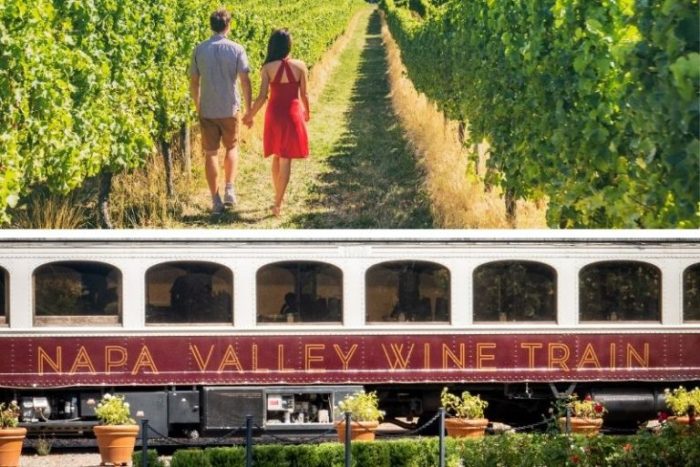
Napa Valley Wine Tours and Tastings offer an unparalleled sensory experience. From rolling vineyards bathed in golden sunlight to the rich aromas and complex flavors of world-class wines, a Napa Valley trip promises an unforgettable journey. This exploration delves into the diverse tour options, highlighting the unique characteristics of various wineries and the art of wine tasting, alongside the region’s captivating natural beauty and cultural heritage.
We’ll also contrast the Napa Valley experience with the vibrancy of a major city, examining lifestyle differences and providing practical tips for enjoying both environments to the fullest.
We’ll cover everything from crafting the perfect itinerary and choosing the right tour operator to understanding the nuances of different wine varietals and pairing them with gourmet foods. Discover hidden gems, learn about the history of Napa Valley winemaking, and uncover the region’s many activities beyond wine tasting. Whether you’re a seasoned wine connoisseur or a curious newcomer, this guide provides a comprehensive overview to help you plan your perfect Napa Valley adventure.
Napa Valley Wine Tours
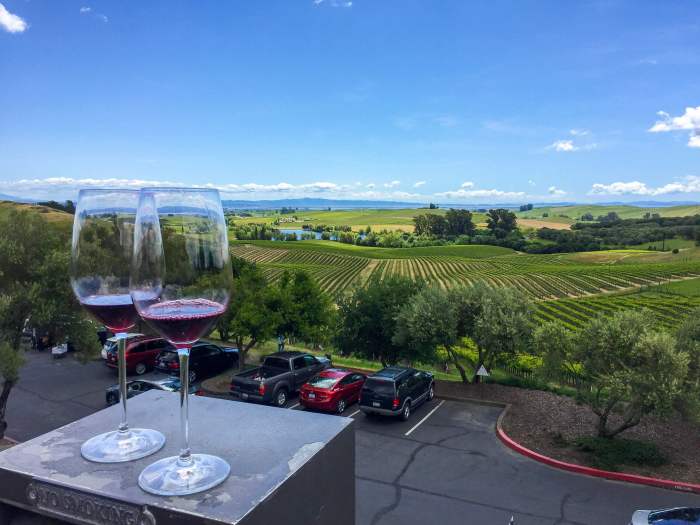
Napa Valley, renowned for its world-class wineries and stunning landscapes, offers a diverse range of wine tour experiences catering to various preferences and budgets. From intimate, small-group excursions to luxurious, private tours, there’s a perfect Napa Valley wine tour for everyone. This section will provide an overview of the different types of tours, a sample itinerary, planning tips, and a comparison of tour operators.
Types of Napa Valley Wine Tours
Napa Valley wine tours vary significantly in style and focus. Popular options include:
- Small Group Tours: These tours typically involve a minibus or van and a small group of fellow travelers, offering a balance between personalized attention and affordability.
- Private Tours: For a more luxurious and customized experience, private tours allow you to dictate the itinerary, wineries visited, and pace of the tour. A private driver and vehicle are included.
- Bike Tours: Explore the vineyards at your own pace with a cycling tour, enjoying the scenery and stopping at wineries along the way. This is a great option for active travelers.
- Hot Air Balloon Tours: For a truly unique perspective, consider a hot air balloon ride over the vineyards at sunrise or sunset, followed by a wine tasting at a nearby winery.
- Luxury Tours: These tours often incorporate gourmet meals, private transportation in high-end vehicles, and visits to exclusive wineries.
Three-Day Napa Valley Wine Tour Itinerary
This itinerary focuses on a balance of renowned wineries and unique experiences. Adjust it based on your preferences and budget. Day 1:Morning: Arrive in Napa Valley and check into your accommodation.Afternoon: Visit Domaine Chandon for sparkling wine tasting and a tour of their sparkling wine cellars. Enjoy a picnic lunch amidst the vineyards.Evening: Dinner at The French Laundry (reservations highly recommended) or a more casual restaurant in Yountville.
Day 2:Morning: Explore Oakville, visiting Opus One for a world-class Cabernet Sauvignon tasting and tour.Afternoon: Visit Robert Mondavi Winery for a renowned Napa Valley experience.Evening: Enjoy a wine blending workshop at a smaller, family-owned winery. Day 3:Morning: Visit Castello di Amorosa, a stunning Tuscan-style castle winery, for a tour and tasting.Afternoon: Explore Calistoga, known for its mud baths and geothermal spas.
Enjoy a relaxing mud bath and a tasting at Schramsberg Vineyards.Evening: Depart from Napa Valley.
Planning a Napa Valley Wine Tour: Tips and Recommendations
Transportation: Designated drivers are crucial, or consider hiring a private driver or utilizing ride-sharing services. However, many wineries are spread out, so renting a car offers more flexibility. Public transportation is limited.Accommodation: Napa Valley offers a wide range of accommodation, from budget-friendly hotels to luxurious resorts. Consider staying in Napa, Yountville, or St. Helena for easy access to wineries.
Booking in advance, especially during peak season, is highly recommended.
Napa Valley Wine Tour Operators Comparison
Choosing the right tour operator depends on your preferences and budget. This table compares a few popular operators (note: strengths and weaknesses are subjective and can vary based on individual experiences).
| Tour Operator | Strengths | Weaknesses | Price Range |
|---|---|---|---|
| ABC Wine Tours | Small group sizes, knowledgeable guides, diverse itinerary options | May not include lunch or transportation to/from accommodation | $$ |
| XYZ Private Tours | Fully customizable itineraries, luxury vehicles, personalized service | Significantly higher cost than group tours | $$$$ |
| 123 Wine Country Adventures | Includes transportation, lunch, and multiple winery visits | Larger group sizes, less personalized attention | $ |
| Vineyard Escapes | Focus on smaller, boutique wineries, unique experiences | Limited availability, may require advanced booking | $$$ |
($ = Budget-friendly; $$ = Moderate; $$$ = Expensive; $$$$ = Luxury)
Napa Valley Wine Tastings
Embarking on a Napa Valley wine tasting is more than just sipping wine; it’s an immersive sensory journey that engages all your senses. From the moment you step onto a vineyard, the sights, sounds, and aromas combine to create a truly unforgettable experience. The rolling hills, vibrant grapevines, and the very air itself, infused with the scent of fermenting grapes, set the stage for a sophisticated exploration of taste.
The Sensory Experience of Napa Valley Wine Tasting
A Napa Valley wine tasting is a multi-sensory experience. The visual appeal begins with the color of the wine—from the pale gold of a Sauvignon Blanc to the deep ruby of a Cabernet Sauvignon. Swirling the wine in your glass releases its aromatic bouquet, revealing layers of scents from ripe fruit and subtle spices to earthy undertones and hints of oak.
The first sip introduces the wine’s texture, its weight and viscosity on your palate. Then, the taste unfolds, revealing the complexity of flavors, from the initial sweetness or acidity to the lingering finish. This intricate interplay of sight, smell, taste, and even touch (the temperature and texture of the wine) creates a holistic sensory experience that elevates the simple act of drinking wine into an art form.
Common Napa Valley Wine Varietals and Tasting Notes
Napa Valley is renowned for its diverse range of wine varietals, each with its own unique characteristics. Cabernet Sauvignon, the region’s flagship grape, typically exhibits notes of black currant, cedar, and vanilla, with a firm tannic structure and a long finish. Chardonnay, another popular varietal, can range from crisp and citrusy to rich and buttery, depending on the winemaking techniques employed.
Other prominent varietals include Sauvignon Blanc (known for its herbaceous and citrusy notes), Merlot (with its softer tannins and plum-like flavors), and Pinot Noir (characterized by its bright acidity and red fruit aromas). The tasting notes of these wines are greatly influenced by the terroir—the unique combination of soil, climate, and topography—of the specific vineyard where the grapes are grown.
For example, a Cabernet Sauvignon from Oakville will often have a different profile than one from Rutherford, reflecting the nuances of their respective terroirs.
Wine Tasting Menu with Gourmet Food Pairings
A thoughtfully curated wine tasting menu elevates the experience by harmonizing the flavors of the wine with complementary gourmet foods.
- 2018 Chardonnay (Carneros): Pair with pan-seared scallops with lemon butter sauce. The Chardonnay’s buttery notes and citrus acidity complement the richness of the scallops and the bright lemon flavor.
- 2017 Pinot Noir (Russian River Valley): Pair with roasted duck breast with cherry sauce. The Pinot Noir’s red fruit flavors and earthy undertones create a delightful balance with the richness of the duck and the sweetness of the cherry sauce.
- 2015 Cabernet Sauvignon (Oakville): Pair with filet mignon with truffle mashed potatoes. The Cabernet Sauvignon’s full-bodied structure and black currant notes stand up beautifully to the richness of the filet mignon, while the truffle enhances the earthy undertones of the wine.
Napa Valley Wineries Known for Unique Tasting Experiences
Many Napa Valley wineries offer unique and memorable tasting experiences beyond the standard pour.
- Domaine Carneros: Known for its sparkling wines and elegant tasting room with stunning views.
- Castello di Amorosa: A Tuscan-style castle winery with a truly immersive experience.
- Schramsberg Vineyards: Renowned for its méthode champenoise sparkling wines and historic caves.
- Inglenook: A historic winery with a beautiful chateau and a focus on Cabernet Sauvignon.
- Opus One: A prestigious winery known for its iconic Cabernet Sauvignon blend and luxurious tasting experience.
Napa Valley
Napa Valley, renowned worldwide for its exceptional wines, offers a wealth of experiences beyond the vineyards. While wine tasting is undoubtedly a central attraction, the region’s natural beauty, rich history, and diverse activities provide a captivating and multifaceted destination. Exploring these aspects enhances the overall Napa Valley experience, revealing a deeper appreciation for this iconic Californian region.
Scenic Beauty and Natural Features
Napa Valley’s landscape is a breathtaking panorama of rolling hills, verdant vineyards, and majestic mountains. The valley floor, carved by the Napa River, is a fertile ribbon of land, crisscrossed by waterways and dotted with charming towns. Vineyards climb the gentle slopes, creating a patchwork of green and brown hues that shift with the seasons. The Mayacamas Mountains to the west and the Vaca Mountains to the east provide a dramatic backdrop, their peaks often shrouded in mist.
The Napa River itself offers serene stretches of water perfect for leisurely strolls or kayaking. The valley’s microclimates, influenced by the mountains and the Pacific Ocean, contribute to the unique terroir that makes Napa wines so distinctive.
Activities Beyond Wine Tasting
Beyond the numerous wineries, Napa Valley offers a diverse range of outdoor activities. Hiking trails wind through the vineyards and up into the mountains, offering stunning views of the valley. Biking enthusiasts can explore the numerous scenic routes, from leisurely paths along the river to more challenging climbs through the hills. Hot air ballooning provides a unique perspective, allowing visitors to soar above the vineyards and witness the breathtaking sunrise or sunset.
Other options include horseback riding, kayaking on the Napa River, and exploring the charming towns of Napa, St. Helena, and Calistoga, each with its unique character and boutiques.
History and Culture of Napa Valley
Napa Valley’s history is deeply intertwined with its agricultural heritage. Originally inhabited by Native American tribes, the valley’s fertile land was later settled by Spanish missionaries and then by pioneers who established farms and vineyards. The region’s wine industry blossomed in the 19th century, initially focusing on table wines and later gaining international recognition for its Cabernet Sauvignon and Chardonnay.
Today, Napa Valley’s cultural landscape is a blend of its agricultural past and its modern winemaking sophistication. Numerous historic sites, museums, and art galleries showcase the region’s rich history and vibrant contemporary arts scene.
A Picturesque Napa Valley Vineyard at Sunset
Imagine a late afternoon in Napa Valley. The sun, a fiery orb sinking below the western hills, casts long shadows across the vineyards. The vines, laden with ripening grapes, are bathed in a warm, golden light. The leaves, a spectrum of greens and browns, shimmer with an ethereal glow. The textures are rich and varied: the smooth, velvety leaves, the rough bark of the old vines, and the soft earth beneathfoot.
The air is filled with the sweet scent of grapes and the gentle hum of insects. The distant mountains are silhouetted against the fiery sky, their peaks tinged with the hues of the setting sun. The overall scene is one of tranquil beauty, a harmonious blend of nature’s artistry and human cultivation.
Top Urban Destinations
Experiencing a major city like New York City offers a stark contrast to the tranquil charm of Napa Valley. While both destinations provide unique and memorable experiences, the differences in pace, accommodation, and transportation significantly shape the overall visitor experience. This comparison highlights the distinct characteristics of each location.
Pace of Life
The pace of life in a bustling metropolis such as New York City is frenetic. People are constantly on the move, rushing to appointments, navigating crowded streets, and engaging in a whirlwind of activities. In contrast, Napa Valley cultivates a slower, more deliberate pace. Life revolves around the natural rhythm of the vineyards, with a focus on relaxation, savoring the moment, and appreciating the beauty of the surroundings.
Three key differences illustrate this contrast: the constant hum of activity versus a sense of calm; the emphasis on efficiency versus leisurely enjoyment; and the prevalence of scheduled events versus a more spontaneous and flexible lifestyle.
Accommodation Options
New York City offers a vast array of accommodation options, ranging from budget-friendly hostels and shared apartments to luxurious high-rise hotels with breathtaking city views. The sheer variety reflects the city’s diverse population and the broad spectrum of visitor needs and budgets. Napa Valley, on the other hand, presents a more curated selection of accommodations. While hotels exist, the region is known for its charming boutique inns, luxurious resorts nestled amongst vineyards, and cozy bed and breakfasts offering a more intimate and personalized experience.
These accommodations often incorporate local elements, emphasizing the region’s wine country aesthetic.
Transportation Methods
Navigating New York City typically involves a complex interplay of subways, buses, taxis, and ride-sharing services. The sheer scale of the city necessitates a robust and multifaceted transportation system to accommodate the millions of daily commuters and tourists. In Napa Valley, transportation is significantly different. While rental cars are common, many visitors opt for wine tour services that provide transportation between wineries, eliminating the need for individual driving and ensuring a safe and enjoyable experience.
Bicycles are also a popular mode of transportation for exploring the valley’s scenic routes, offering a more leisurely and immersive way to experience the landscape.
Urban Lifestyle Elements
Napa Valley’s relaxed charm stands in stark contrast to the frenetic energy of a major city. While both offer unique experiences, the differences in nightlife, shopping, architecture, and culinary scenes are significant, shaping distinct lifestyles. This comparison highlights the contrasting elements of urban living versus the more tranquil pace of Napa Valley.
Nightlife Contrasts
The nightlife in a major city typically offers a diverse range of options, from intimate cocktail bars and bustling nightclubs to live music venues and theatrical performances. The atmosphere is often fast-paced and vibrant, reflecting the city’s constant activity. In contrast, Napa Valley’s evening activities are more subdued. While there are restaurants and bars offering live music or a sophisticated ambiance, the focus tends to be on enjoying fine wine and conversation in a more relaxed setting.
The emphasis is on quality over quantity, with a slower, more deliberate pace. Imagine the bustling streets of New York City at night compared to the quiet charm of a Napa Valley vineyard under the stars.
Shopping Experiences
Major cities boast a vast array of shopping options, from high-end boutiques and department stores to independent shops and street markets. The sheer scale and variety are unparalleled. Napa Valley, on the other hand, offers a more curated shopping experience. While there are boutiques selling high-end clothing and gifts, the focus is often on locally sourced products, artisanal crafts, and wine-related merchandise.
Think of the sprawling shopping malls of Chicago compared to the charming, smaller boutiques found in downtown Napa. The experience is less about sheer volume and more about unique finds and a more personal shopping experience.
Architectural Styles
Major cities are characterized by a diverse range of architectural styles, reflecting their history and evolution. From towering skyscrapers to historic brownstones, the architectural landscape is a complex tapestry of styles and periods. Napa Valley, in contrast, features a more cohesive architectural style, predominantly influenced by Spanish Colonial, Mediterranean Revival, and Mission Revival styles. The architecture of the wineries often blends seamlessly with the natural landscape, creating a sense of harmony and tranquility.
The contrast is evident: the imposing steel and glass structures of a modern metropolis versus the rustic charm of a Napa Valley winery nestled among vineyards.
Culinary Offerings, Napa Valley Wine Tours and Tastings
Major cities offer an incredibly diverse range of street food and restaurant options, reflecting the global nature of their populations. From ethnic enclaves offering authentic cuisine to Michelin-starred restaurants, the choices are virtually limitless. Napa Valley’s culinary scene, while still diverse, is heavily focused on farm-to-table dining and wine pairings. The emphasis is on fresh, locally sourced ingredients and high-quality wines.
The difference is striking: the vibrant street food scene of Bangkok compared to the refined farm-to-table experience of a top Napa Valley restaurant. Both offer exceptional food experiences, but the emphasis and style differ greatly.
Urban Exploration
Navigating a bustling metropolis can feel overwhelming, but with a little planning and the right strategies, exploring a major city becomes an enjoyable and efficient experience. Understanding the various transportation options and employing smart photography techniques can significantly enhance your urban adventure. This section will offer practical tips and insights for maximizing your city exploration.
City Travel Hacks for Efficient Exploration
Efficient city exploration relies on strategic planning and the smart use of available resources. Pre-planning your route using a map application, incorporating points of interest and factoring in travel times, significantly reduces wasted time and effort. Utilizing public transport during peak hours can be less efficient than during off-peak times, so consider this when planning your day. Furthermore, taking advantage of walking tours or hop-on-hop-off bus services offers a structured approach to sightseeing, allowing you to cover more ground while learning about the city’s history and culture.
Finally, downloading offline maps and city guides ensures you remain connected even without cellular data.
Public Transportation versus Ride-Sharing Services
Public transportation, such as subways, buses, and trams, offers a cost-effective and environmentally friendly way to navigate a city. However, it may be less convenient in terms of travel time, especially during peak hours or when traveling to less accessible areas. Ride-sharing services provide door-to-door convenience and often faster travel times, but they come at a higher cost and contribute to traffic congestion.
The optimal choice depends on individual priorities, budget constraints, and the specific characteristics of the city being explored. For example, New York City’s extensive subway system is generally more efficient for long distances than ride-sharing, while a smaller city might find ride-sharing a more practical option.
Unique Skyscrapers and Their Architectural Significance
Three unique skyscrapers that exemplify architectural innovation are the Burj Khalifa in Dubai, the Shanghai Tower in China, and the Chrysler Building in New York City. The Burj Khalifa, renowned for its sheer height and elegant tapering design, showcases advancements in structural engineering and sustainable building practices. The Shanghai Tower, with its twisting form and integrated vertical transportation system, is a marvel of modern engineering and sustainable design.
The Chrysler Building, a classic Art Deco masterpiece, represents the architectural exuberance of the 1930s and remains an iconic symbol of New York City. Each of these skyscrapers represents a distinct architectural style and technological achievement, reflecting the evolution of urban design and engineering.
Tips for Taking Compelling Urban Photographs
Capturing compelling urban photographs requires a keen eye for composition and an understanding of light. Consider the rule of thirds, placing key elements off-center for a more dynamic image. Utilize leading lines, such as streets or railway tracks, to guide the viewer’s eye through the photograph. Pay attention to the quality of light; the “golden hour,” the period shortly after sunrise or before sunset, offers warm, soft light ideal for photography.
Experiment with different angles and perspectives; shooting from above or below can add unique depth and interest to your images. Finally, focus on details and textures to capture the unique character of the urban environment. A photograph of a weathered brick wall, for instance, can convey a sense of history and urban decay far more effectively than a general cityscape.
Urban Green Spaces: Napa Valley Wine Tours And Tastings
The juxtaposition of Napa Valley’s sprawling vineyards and the concentrated urban environment presents a fascinating study in contrasting green spaces. While Napa Valley offers expansive, naturally occurring beauty, urban areas rely on meticulously planned and maintained parks and green areas to provide similar, albeit different, benefits. Understanding these differences highlights the crucial role of green spaces in both settings, contributing significantly to the well-being of their respective communities.
Urban Parks and Green Spaces: A Functional Comparison with Napa Valley
Urban parks and green spaces serve a vital role in major cities, acting as lungs within the concrete jungle. They offer respite from the urban clamor, providing areas for recreation, relaxation, and community building. This contrasts with Napa Valley’s natural beauty, where the rolling hills and vineyards themselves constitute the primary green space, offering a more expansive and less structured recreational experience.
The activities available also differ; urban parks might feature playgrounds, basketball courts, and designated dog runs, while Napa Valley offers hiking trails, opportunities for wine tasting amidst the vines, and exploration of natural waterways.
Recreational Activities: Urban vs. Napa Valley
In urban parks, recreational activities are often highly structured and cater to a diverse population. Organized sports, fitness classes, and community events are common. In contrast, Napa Valley’s recreational activities are more closely tied to the natural environment. Hiking, biking, and exploring the vineyards are popular, emphasizing a more individual and less structured approach to leisure. The scale is also dramatically different; an urban park might offer a few acres of green space, while Napa Valley provides hundreds of acres of rolling hills and vineyards for exploration.
Environmental Benefits and Quality of Life
Urban green spaces contribute significantly to a city’s overall environmental health and quality of life. They improve air quality, reduce the urban heat island effect, and provide habitats for wildlife. Trees absorb carbon dioxide and release oxygen, mitigating the effects of pollution. Studies consistently show that access to green spaces is linked to improved mental and physical health in urban populations, reducing stress and promoting physical activity.
While Napa Valley’s natural environment provides these benefits naturally, the deliberate creation and maintenance of urban green spaces are essential for achieving similar outcomes in a built environment.
Sensory Experience of a Vibrant Urban Park
Imagine a vibrant urban park on a sunny afternoon. The air is alive with the sounds of children laughing on a playground, the rhythmic squeak of swings, and the distant hum of city traffic softened by the surrounding trees. The smell of freshly cut grass mingles with the earthy scent of soil and the subtle fragrance of blooming flowers.
The textures are varied – the smooth coolness of a park bench, the rough bark of ancient trees, the soft give of grass underfoot, and the cool, hard surface of a paved pathway. The overall atmosphere is one of vibrant energy, a temporary escape from the urban hustle, yet still connected to the pulse of city life.
Ultimately, a Napa Valley wine tour is more than just a tasting; it’s an immersion into a unique culture, breathtaking landscapes, and a world of exquisite flavors. From the meticulous craftsmanship of winemaking to the relaxed pace of life, Napa Valley offers a captivating contrast to the energy of urban centers. This exploration has highlighted the diverse experiences available, empowering you to curate a journey tailored to your preferences, whether you prioritize indulgence, adventure, or a blend of both.
Remember to plan ahead, embrace the region’s charm, and savor every moment of your unforgettable Napa Valley experience.
Essential Questionnaire
What is the best time of year to visit Napa Valley?
Spring and fall offer pleasant weather and fewer crowds than summer. However, each season presents unique charms.
How much does a Napa Valley wine tour typically cost?
Costs vary greatly depending on the tour type, duration, and inclusions. Expect to pay anywhere from a few hundred to several thousand dollars.
Do I need a designated driver for a wine tour?
Highly recommended. Consider hiring a private driver, using a tour company with transportation included, or utilizing ride-sharing services (with caution).
Are there tours suitable for families with children?
Some wineries and tour operators cater to families, offering activities beyond wine tasting to engage children.
Can I book tours and tastings in advance?
Reservations are highly recommended, especially during peak season, to secure your preferred dates and times.