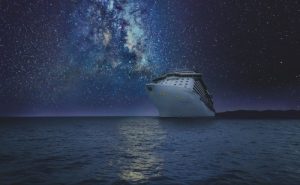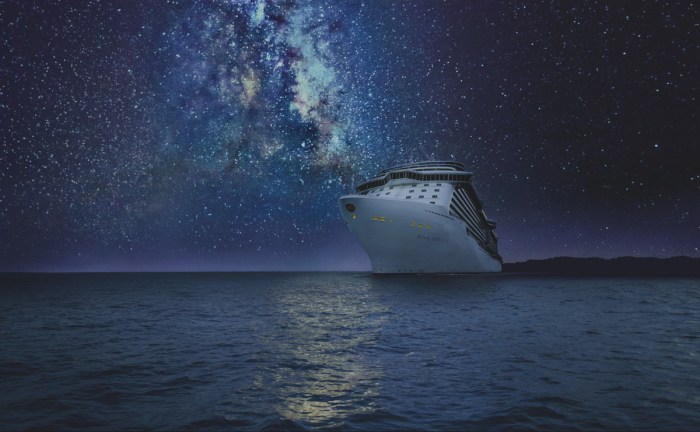
Astronomical Cruises with Stargazing Decks offer a unique blend of luxury travel and celestial exploration. Imagine sailing under a blanket of stars, far from city lights, while expert astronomers guide you through constellations and celestial wonders. These cruises cater to a range of budgets and preferences, from luxurious all-inclusive voyages to more budget-friendly options, each promising an unforgettable journey into the cosmos.
The experience goes beyond simply viewing the night sky; it’s about immersing yourself in the science and wonder of astronomy through lectures, workshops, and state-of-the-art technology aboard purpose-built stargazing decks.
Different cruise lines offer diverse itineraries, focusing on optimal viewing locations and celestial events. Some voyages may prioritize specific constellations or meteor showers, while others focus on exploring unique destinations with rich astronomical history. The onboard experience is carefully curated to enhance the stargazing, offering a variety of engaging activities and educational opportunities to deepen your understanding and appreciation of the universe.
Whether you’re an amateur astronomer or simply curious about the night sky, an astronomical cruise promises an enriching and memorable experience.
Defining the Astronomical Cruise Experience
An astronomical cruise offers a unique blend of travel and stargazing, providing passengers with unparalleled opportunities to explore celestial wonders while enjoying the comforts and amenities of a cruise ship. These voyages cater to a wide range of interests, from casual stargazers to serious amateur astronomers, offering experiences tailored to different budgets and preferences. The ideal astronomical cruise seamlessly integrates onboard activities with nighttime observations, providing a holistic and enriching travel experience.The defining characteristic of an astronomical cruise is the dedicated focus on celestial observation.
This is typically achieved through the inclusion of specialized equipment, expert-led lectures and workshops, and access to dark-sky locations minimizing light pollution. The best cruises offer comfortable viewing decks, powerful telescopes, and knowledgeable astronomers on staff to guide passengers through the constellations and explain astronomical phenomena. Beyond stargazing, these cruises usually include daytime activities that complement the astronomical theme, such as visits to observatories, planetariums, or locations of astronomical significance.
Types of Astronomical Cruises
Astronomical cruises cater to a diverse clientele, resulting in a range of offerings. Luxury cruises emphasize opulent accommodations, gourmet dining, and personalized service alongside exceptional stargazing opportunities. These voyages often visit exotic destinations and include exclusive shore excursions related to astronomy or related sciences. Budget-friendly options prioritize affordability while still providing a satisfying stargazing experience. They might feature simpler accommodations and fewer amenities, but still offer access to dark skies and educational programs.
Expedition cruises combine astronomical observation with exploration of remote and often challenging locations. These cruises frequently involve smaller ships capable of navigating more difficult waterways, allowing access to pristine, dark-sky locations far from urban light pollution. For example, a luxury cruise might visit the Galapagos Islands, offering both wildlife viewing and excellent stargazing opportunities in a pristine environment, while a budget-friendly option might focus on a cruise in the Mediterranean, balancing cost-effectiveness with accessible stargazing locations.
Expedition cruises might venture to Antarctica or the Arctic, providing unparalleled opportunities to view the aurora borealis alongside the night sky.
Sample Astronomical Cruise Itinerary
A seven-day astronomical cruise to the Canary Islands, known for their exceptional dark skies, could include the following itinerary. The cruise would begin and end in Tenerife, a major hub in the archipelago. Day 1 would involve embarking and settling in, with an introductory lecture on celestial navigation and the night sky. Days 2-4 would consist of daytime exploration of Tenerife, visiting the Teide National Park (a UNESCO World Heritage Site) with its volcanic landscape and excellent stargazing opportunities, and potentially a visit to the Teide Observatory.
Evenings would involve dedicated stargazing sessions on the ship’s deck, guided by expert astronomers. Days 5 and 6 would involve sailing to La Palma, another island in the archipelago famous for its Roque de los Muchachos Observatory. This would include daytime exploration of La Palma’s volcanic landscape and a possible visit to the observatory itself. Nightly stargazing sessions would continue, with the opportunity to use powerful telescopes and observe fainter celestial objects.
Day 7 would be dedicated to disembarkation in Tenerife. This itinerary is merely an example; specific ports of call and activities would vary depending on the cruise line and the time of year.
Stargazing Decks and Onboard Activities: Astronomical Cruises With Stargazing Decks
Our astronomical cruises offer unparalleled stargazing experiences, enhanced by meticulously designed decks and a curated selection of onboard activities. These elements work in synergy to create an immersive and educational journey for astronomy enthusiasts of all levels. The design prioritizes comfort, accessibility, and optimal viewing conditions, ensuring that every guest can fully appreciate the celestial wonders above.The combination of specialized equipment, comfortable seating, and engaging activities transforms a simple observation into a memorable and enriching experience.
This holistic approach ensures guests not only witness the beauty of the night sky but also gain a deeper understanding of the cosmos.
Stargazing Deck Layout
The stargazing deck is designed for maximum comfort and viewing efficiency. Imagine a spacious open-air deck, perhaps on the uppermost level of the ship, offering unobstructed 360-degree views. Multiple telescope stations are strategically positioned around the perimeter, each equipped with high-quality telescopes of varying magnification for observing different celestial objects. These stations are interspersed with comfortable seating arrangements – a mix of individual lounge chairs and small group seating areas, allowing for both private observation and social interaction.
Low-level lighting, perhaps using red-light LEDs, minimizes light pollution and preserves night vision. A central area might feature a large screen displaying real-time images from the telescopes, allowing guests who prefer not to use a telescope directly to still enjoy the celestial show. The deck itself is designed to minimize vibrations from the ship’s movement, ensuring stable telescope operation.
Onboard Activities Complementing Stargazing
A range of onboard activities complement the stargazing experience, catering to diverse interests and knowledge levels. These activities enhance the learning and enjoyment aspects of the cruise, ensuring a well-rounded astronomical adventure.
- Astronomy Lectures: Evening lectures delivered by expert astronomers cover topics ranging from basic celestial navigation to advanced astrophysics, tailored to different audience levels. These lectures might include captivating visuals, interactive elements, and Q&A sessions.
- Astrophotography Workshops: Practical workshops guide participants on capturing stunning images of the night sky using their own cameras or provided equipment. Experienced instructors provide hands-on instruction, covering techniques such as long-exposure photography and image processing.
- Constellation Tours: Guided tours of the night sky using laser pointers identify constellations, planets, and other celestial objects, enriching the stargazing experience with historical and mythological context. These tours are designed to be accessible to all skill levels.
- Planetary Science Seminars: In-depth seminars focusing on specific planets or celestial phenomena, providing a more scientific and detailed understanding of our solar system and beyond. These seminars might incorporate recent discoveries and research findings.
Technology Enhancing the Stargazing Experience
The cruise utilizes cutting-edge technology to enhance the stargazing experience and make celestial observation more accessible and engaging.
- High-Quality Telescopes: The decks are equipped with a variety of telescopes, including Dobsonian reflectors for wide-field viewing and refractors for high-resolution planetary observation. Computerized GoTo mounts allow for easy targeting of specific celestial objects.
- Astronomical Software: Software programs like Stellarium or Cartes du Ciel provide real-time sky charts, allowing guests to identify celestial objects and plan their observations. These programs can be accessed on tablets or computers available on the deck.
- Digital Image Processing: Software for processing astrophotography images is available for guests who participate in astrophotography workshops or wish to process their own images captured during the cruise.
- Live Streaming and Projection: Telescope images are streamed live to a large screen on the deck, allowing all guests to see celestial objects, even if they are not using a telescope directly. This also allows for sharing of particularly interesting views.
Destinations and Itineraries
Astronomical cruises offer unique opportunities to witness celestial wonders from prime locations across the globe. Our itineraries are carefully crafted to maximize your chances of observing specific astronomical events, while also providing enriching cultural and natural experiences. We prioritize destinations with minimal light pollution, ensuring breathtaking views of the night sky.Our itineraries are designed to cater to a variety of interests and preferences, balancing stargazing opportunities with engaging shore excursions.
Each journey is meticulously planned to ensure a seamless and unforgettable experience.
Three Diverse Astronomical Cruise Itineraries
Below are three example itineraries showcasing the diverse astronomical experiences available. These are illustrative examples, and specific dates and events will vary based on the year.
Itinerary 1: Chilean Atacama Desert – Total Solar Eclipse Cruise
This itinerary focuses on witnessing a total solar eclipse over the Atacama Desert, renowned for its exceptionally dark skies and clear atmospheric conditions. The cruise will include several days at sea to allow for optimal viewing of the eclipse, complemented by expert lectures and onboard stargazing sessions. Shore excursions will explore the unique geological formations and cultural heritage of the Atacama Desert.
Imagine the awe-inspiring sight of the sun’s corona, surrounded by the stark beauty of the desert landscape. The night sky will be ablaze with countless stars, far beyond what is visible in light-polluted areas.
Itinerary 2: Northern Lights Cruise – Norway’s Fjords
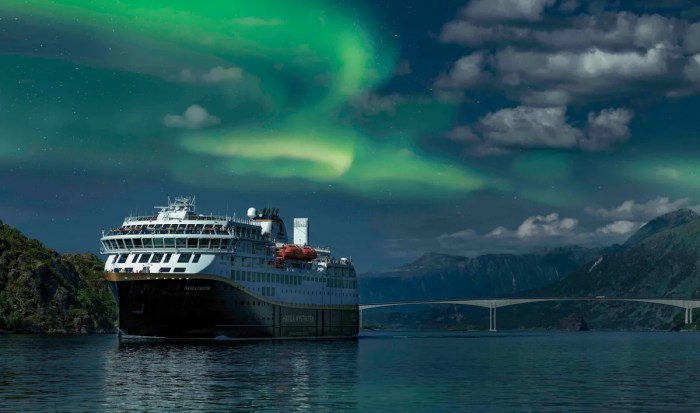
This cruise explores the breathtaking fjords of Norway, offering unparalleled opportunities to witness the Aurora Borealis (Northern Lights). The itinerary includes several nights sailing through areas known for high aurora activity, providing ample time for viewing this spectacular celestial display. Lectures on the science of the aurora and astrophotography will enhance the experience. Imagine the ethereal green, sometimes red or purple, curtains of light dancing across the dark sky, reflected in the calm waters of the fjord.
The rugged beauty of the Norwegian coastline provides a stunning backdrop to this celestial spectacle.
Itinerary 3: Caribbean Stargazing Cruise – Exploring Dark Sky Parks
This itinerary focuses on exploring the Caribbean, combining stunning daytime landscapes with exceptional nighttime stargazing. The cruise will visit islands and locations designated as International Dark Sky Parks, offering pristine viewing conditions. This itinerary emphasizes relaxation and exploration alongside astronomical observations. Imagine a warm, tropical night, lying on deck under a canopy of stars, far from city lights.
The Milky Way will be strikingly visible, and the constellations of the southern hemisphere will be readily apparent.
Best Destinations for Stargazing
The following table compares several popular stargazing destinations based on light pollution and celestial visibility. These ratings are based on various light pollution maps and astronomical observations.
| Destination | Light Pollution Level | Celestial Visibility | Additional Notes |
|---|---|---|---|
| Atacama Desert, Chile | Extremely Low | Exceptional | High altitude, dry climate |
| Mauna Kea, Hawaii | Very Low | Excellent | High altitude, clear skies |
| Namibia | Low | Very Good | Dark skies, clear atmosphere |
| Norway (Tromsø region) | Low to Moderate (variable) | Good (Aurora Borealis dependent) | Aurora viewing opportunities |
Ideal Stargazing Locations: Image Descriptions
Atacama Desert, Chile: Imagine a vast, expansive landscape of reddish-brown sand dunes under a breathtakingly clear, dark sky. Millions of stars are visible, the Milky Way stretches across the heavens with incredible detail, and constellations appear sharply defined. The surrounding environment is stark and dramatic, with the silhouette of distant mountains adding to the sense of scale and isolation.
Norway’s Fjords: Picture a tranquil fjord, its dark waters reflecting the shimmering light of the aurora borealis. The sky is filled with vibrant green, sometimes tinged with purple or red, curtains of light dancing and shifting across the heavens. The surrounding landscape is rugged and beautiful, with snow-capped mountains rising steeply from the water’s edge. The overall atmosphere is one of serene magic and wonder.
Caribbean Dark Sky Park: Envision a warm, tropical night with the gentle sound of waves lapping against the shore. The sky is a deep, velvety black, punctuated by an incredibly bright and dense Milky Way. Countless stars shimmer, and the constellations are easily identified. The warm air and the gentle breeze enhance the tranquil and peaceful atmosphere. The surrounding environment is lush and tropical, with palm trees swaying gently in the night air.
Marketing and Promotion
A successful marketing campaign for astronomical cruises requires a multi-faceted approach, targeting diverse demographics with tailored messaging and utilizing a variety of channels to maximize reach and engagement. The unique selling proposition—a blend of luxury travel, scientific exploration, and breathtaking celestial views—must be clearly communicated to resonate with potential customers.Marketing astronomical cruises necessitates a strategic approach that considers various demographics and their unique motivations for travel.
The campaign must highlight the exceptional experience offered, emphasizing the exclusivity and educational value alongside the luxury and relaxation aspects.
Target Demographics and Messaging
The target audience for astronomical cruises is multifaceted. We can segment the market into several key groups: affluent retirees seeking enriching travel experiences, families interested in educational vacations, astronomy enthusiasts and amateur astronomers, and couples looking for a romantic and unique getaway. Marketing materials should be tailored to each group. For example, marketing to retirees might emphasize relaxation and comfortable accommodations, while marketing to families might highlight educational opportunities and engaging onboard activities for children.
Marketing to astronomy enthusiasts would focus on the scientific aspects of the cruise and the opportunity for observation and learning.
Promotional Materials
Brochures should feature stunning photography of the stargazing decks, onboard amenities, and the destinations. They should highlight the itinerary, emphasizing the unique experiences offered, such as lectures by astronomers, telescope viewing sessions, and opportunities for astrophotography. The website should include high-resolution images and videos, interactive maps of the destinations, detailed itineraries, customer testimonials, and online booking capabilities. A virtual tour of the ship and stargazing deck would enhance the online experience.
Furthermore, 360° virtual reality experiences showcasing the beauty of the night sky from the ship could be offered online, creating a more immersive experience for potential customers.
Marketing Channels
Several marketing channels can be effectively utilized to reach potential customers. Digital marketing, including targeted social media advertising on platforms like Facebook, Instagram, and YouTube, will reach a broad audience. Search engine optimization () will ensure the website appears prominently in search results for relevant s. Email marketing campaigns can nurture leads and provide updates on special offers and new itineraries.
Partnerships with astronomy clubs, travel agencies specializing in luxury or educational travel, and relevant publications (such as astronomy magazines or travel blogs) can extend reach and credibility. Print advertising in luxury travel magazines or newspapers can also be considered for a more traditional approach. Collaborations with travel influencers and bloggers can generate authentic and engaging content. For example, partnering with a popular travel vlogger to create a sponsored video showcasing the cruise would reach a wide audience.
Furthermore, attending relevant travel shows and trade fairs will allow for direct engagement with potential customers and industry professionals.
Top Urban Destinations and Related Experiences
Extending the astronomical cruise experience with a vibrant urban exploration offers a compelling contrast, allowing passengers to transition from the serene cosmos to the energetic pulse of a city. This section details five prime urban destinations ideal for pre- or post-cruise extensions, focusing on enriching experiences that complement the celestial journey.
Five Top Urban Destinations for Pre/Post-Cruise Extensions
Five cities known for their dynamic nightlife and diverse cultural offerings are New York City (USA), London (UK), Tokyo (Japan), Sydney (Australia), and Barcelona (Spain). Each offers a unique blend of entertainment, history, and culinary delights, providing a stimulating change of pace after a voyage under the stars. These cities are easily accessible from major cruise ports, facilitating seamless transitions.
Shopping Travel Guide: Tokyo, Japan
Tokyo’s shopping scene is incredibly diverse, ranging from high-end department stores to quirky independent boutiques and bustling markets. Ginza is renowned for its luxury brands, while Shibuya offers trendy fashion and electronics. For unique local products, explore the following:
- Traditional Crafts: Find exquisite handcrafted items like ceramics from Kyoto, elegant kimonos, and intricate woodblock prints in specialized shops throughout the city.
- Stationery: Japan’s stationery culture is world-famous. Explore stores like Itoya in Ginza for a vast selection of high-quality pens, notebooks, and other writing implements.
- Cosmetics and Skincare: Japanese beauty products are highly sought after globally. Discover unique brands and ingredients in department stores and specialty shops.
- Electronics and Gadgets: Akihabara is the ultimate destination for electronics enthusiasts, offering the latest gadgets and retro gaming consoles.
- Anime and Manga Goods: For fans of Japanese animation and comics, Nakano Broadway and other areas offer a treasure trove of merchandise.
Incorporating Urban Architecture Tours and Street Food Experiences: Barcelona, Spain
Barcelona’s architectural wonders, particularly the works of Antoni Gaudí, can be explored through guided walking tours focusing on Sagrada Família, Park Güell, and Casa Batlló. These tours can be combined with street food experiences, sampling local delicacies like tapas, paella, and churros at various markets and eateries throughout the city. The vibrant atmosphere of La Boqueria Market offers an immersive culinary experience.
City Travel Hacks: Efficient Transportation and Budget-Friendly Options
Efficient and budget-friendly travel is crucial for maximizing the urban experience. Utilizing public transportation is key: London’s extensive Underground, Tokyo’s efficient subway and train network, and Barcelona’s metro system provide cost-effective ways to navigate the city. Walking tours are also a great way to explore, especially in areas with pedestrianized streets. Budget-friendly food options include street food stalls, local markets, and smaller restaurants away from major tourist attractions.
Photography Itinerary: Capturing New York City’s Skyline
A photography itinerary for New York City should incorporate various viewpoints to capture the iconic skyline. Locations include:
- Top of the Rock Observation Deck: Offers stunning panoramic views, particularly at sunset or night.
- Brooklyn Bridge Park: Provides a unique perspective with the Manhattan skyline as a backdrop.
- One World Observatory: Offers a different perspective, emphasizing the height and scale of the buildings.
- Governors Island: Provides a distant view, ideal for capturing the overall cityscape.
- Various rooftop bars: Offer unique angles and vibrant city life in the foreground.
Urban Parks and Green Spaces, Astronomical Cruises with Stargazing Decks
Each city offers numerous parks and green spaces providing respite from the urban bustle. Examples include:
- New York City: Central Park, High Line, Bryant Park.
- London: Hyde Park, Regent’s Park, Richmond Park.
- Tokyo: Shinjuku Gyoen National Garden, Ueno Park, Yoyogi Park.
- Sydney: Royal Botanic Garden Sydney, Centennial Park, Hyde Park.
- Barcelona: Parc de la Ciutadella, Montjuïc Hill, Jardins de Laribal.
Metro Systems and Integration with Tourist Attractions
Many of these cities boast extensive and well-integrated metro systems. London’s Underground, for instance, connects directly to many major attractions, including the British Museum and Buckingham Palace. Similarly, the Tokyo Metro and Toei Subway lines provide easy access to iconic landmarks such as the Imperial Palace and Sensō-ji Temple. Barcelona’s metro also offers efficient access to Gaudí’s architectural masterpieces and other tourist hotspots.
Unique Features of Skyscrapers: New York City
New York City’s skyscrapers represent a significant chapter in architectural history. The Empire State Building, a symbol of Art Deco architecture, showcases the elegance and grandeur of the era. The Chrysler Building, with its distinctive spire, exemplifies the innovative spirit of the 1930s. Modern skyscrapers, like the One World Trade Center, demonstrate contemporary architectural advancements and sustainable design principles.
These buildings not only define the city’s skyline but also reflect its evolution and ambitions.
Embarking on an astronomical cruise is more than just a vacation; it’s an immersive journey into the wonders of the universe. From the meticulously designed stargazing decks equipped with advanced technology to the engaging onboard activities and expertly curated itineraries, these cruises offer an unparalleled opportunity to connect with the cosmos. The combination of luxurious amenities, breathtaking destinations, and educational experiences makes for an unforgettable adventure that leaves a lasting impression on every traveler.
Whether you’re seeking a romantic getaway, a family adventure, or a solo exploration of the heavens, an astronomical cruise promises a unique and enriching experience you won’t soon forget.
Question Bank
What type of telescopes are typically used on these cruises?
Cruises typically utilize a variety of telescopes, ranging from high-powered reflecting telescopes for detailed observations to smaller refracting telescopes for wider field views. Some may also offer computerized telescopes for easier navigation and object identification.
Are these cruises suitable for families with children?
Many astronomical cruises offer family-friendly options and activities, including age-appropriate lectures and workshops. However, it’s advisable to check the specific cruise line’s offerings to ensure they cater to your family’s needs.
What if the weather is bad and I can’t stargaze?
Most cruise lines have backup plans for inclement weather, including alternative onboard activities, lectures, or workshops. Some may offer alternative dates or partial refunds in extreme cases.
What level of astronomy knowledge is required?
No prior astronomy knowledge is required. These cruises cater to all levels, from beginners to experienced astronomers. Expert guides and onboard lectures are designed to be accessible and engaging for everyone.