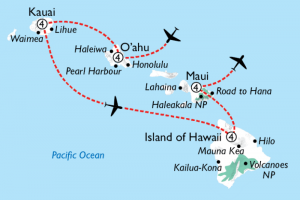
Island Hopping on a Budget unveils the secrets to exploring paradise without breaking the bank. This guide delves into practical strategies for planning an unforgettable island-hopping adventure, focusing on affordable flights, accommodation, food, and activities. We’ll explore diverse destinations perfect for budget travelers, offering insights into navigating transportation, finding budget-friendly lodging, and savoring authentic local cuisine without compromising on experience.
From comparing ferry costs to discovering hidden gems in local markets, this comprehensive resource equips you with the knowledge and tools to craft a personalized itinerary that aligns with your budget and travel style. Whether you dream of sun-kissed beaches, vibrant cultures, or thrilling adventures, this guide provides the roadmap to an affordable yet enriching island escape.
Transportation on a Budget
Island hopping on a shoestring requires careful consideration of transportation costs. Ferries, buses, and domestic flights all offer varying levels of convenience and expense, demanding a strategic approach to minimize expenditure while maximizing efficiency. Choosing the right mode of transport for each leg of your journey is crucial for a successful and affordable island-hopping adventure.
Comparing Transportation Options: Cost and Efficiency, Island Hopping on a Budget
The most economical option is often the local bus system, particularly if traveling between islands with regular ferry connections. Buses are typically significantly cheaper than ferries, especially for longer distances, but they may take considerably longer. Ferries offer a more comfortable journey and usually provide scenic views, though they can be expensive, particularly for high-speed catamarans. Domestic flights represent the fastest option, ideal for longer distances or tighter schedules, but are generally the most expensive.
The best choice depends on your priorities – speed versus cost – and the specific route. For instance, a short hop between nearby islands might be best done by bus, while a journey across a large archipelago might necessitate a flight.
Booking Affordable Ferry Tickets and Domestic Flights
Securing affordable ferry tickets often involves booking in advance, especially during peak season. Many ferry companies offer online booking systems with discounts for early purchases. Websites specializing in ferry ticket aggregators can help compare prices and find deals across various operators. Similarly, booking domestic flights well in advance, often several weeks or even months prior to travel, usually yields the best prices.
Consider flying with budget airlines or utilizing flight comparison websites to identify the most competitive fares. Flexibility with travel dates can also significantly impact the cost of both ferry and flight tickets. Mid-week travel or avoiding peak holiday periods can lead to considerable savings.
Negotiating Transportation Costs
Negotiating transportation costs, while less common with established operators like airlines and large ferry companies, can be possible in certain situations. For instance, when using local buses or smaller, independent ferry services, some room for negotiation may exist, especially for group bookings or if traveling during off-peak times. It’s important to be polite and respectful when attempting to negotiate, and remember that success is not guaranteed.
Joining group tours can sometimes offer bundled transportation deals, providing a cost-effective alternative to individual bookings. Utilizing local transportation knowledge and being open to alternative routes can also contribute to reducing overall travel expenses.
Accommodation Options for Budget Travelers
Finding affordable accommodation is crucial for successful budget island hopping. The good news is that many options exist beyond expensive resorts, allowing you to stretch your travel funds further and experience more of your chosen destinations. This section will explore several budget-friendly choices, highlighting their advantages and disadvantages to help you make informed decisions.
Hostels
Hostels are a popular choice for budget-conscious travelers, particularly solo adventurers or those comfortable sharing spaces. They offer dorm-style rooms with multiple beds, often with shared bathroom facilities. Private rooms are sometimes available at a higher price.
- Pros: Significantly cheaper than hotels, social atmosphere, often located centrally, frequently offer communal kitchens for self-catering.
- Cons: Less privacy, potential for noise, shared bathroom facilities may not always be clean, security of personal belongings may be a concern.
Guesthouses
Guesthouses offer a more private and often more home-like experience compared to hostels. They typically consist of individually rented rooms, sometimes with private bathrooms. Guesthouses are frequently family-run businesses, providing a more personalized and often more locally-immersive experience.
- Pros: More privacy than hostels, often family-run and offer a personal touch, can provide local insights and recommendations, sometimes offer breakfast included in the price.
- Cons: Can be slightly more expensive than hostels, amenities may be more basic than hotels, location might be less central than hostels.
Homestays
Homestays provide a truly immersive cultural experience. You stay in a local’s home, sharing meals and potentially participating in daily life. This option offers an unparalleled opportunity to learn about the local culture and language firsthand.
- Pros: Unique cultural immersion, opportunity to practice the local language, often includes meals, generally very affordable.
- Cons: Less privacy than other options, requires a degree of flexibility and adaptability, may not be suitable for everyone.
Websites and Apps for Finding Affordable Accommodation
Numerous online resources simplify the search for budget-friendly accommodation.
- Hostelworld: Specializes in hostels worldwide, offering detailed reviews and booking capabilities.
- Booking.com: A comprehensive platform offering a wide range of accommodation types, including budget-friendly options with filters for price and amenities.
- Airbnb: Provides access to private rooms, entire apartments, and homestays, offering a variety of options and price points.
- Agoda: Focuses on Asia and offers competitive prices on hotels, guesthouses, and other accommodation types.
Food and Drink on a Budget: Island Hopping On A Budget
Island hopping doesn’t have to break the bank, especially when it comes to food. Savoring local cuisine is a significant part of the travel experience, and with a little planning, you can enjoy delicious and authentic meals without overspending. This section will provide practical tips and strategies for eating well on a budget while exploring diverse island cultures.Finding affordable and authentic local food often means venturing beyond the main tourist areas.
Overpriced restaurants catering specifically to tourists are easily avoidable with a bit of exploration.
Affordable and Authentic Local Food Sources
To experience the true culinary heart of an island, seek out local eateries frequented by the residents. These establishments often offer the most flavorful and budget-friendly options. Look for smaller, family-run restaurants or street food stalls, which are usually significantly cheaper than larger, more tourist-oriented restaurants. For example, in many Southeast Asian island nations, street food stalls offer incredible value – a delicious and filling meal can often cost less than $5.
In the Mediterranean, small family-run tavernas provide a similar experience, offering fresh, locally sourced ingredients at reasonable prices. Don’t be afraid to step outside your comfort zone and try new things – you might discover your new favorite dish!
Avoiding Tourist Traps and Overpriced Restaurants
Tourist traps are characterized by high prices and often underwhelming food quality. They typically have prominent locations, flashy menus, and aggressive marketing tactics. To avoid them, research restaurants beforehand using online reviews and local blogs. Pay attention to the price points listed on menus displayed outside restaurants. If the prices seem significantly higher than those of nearby establishments, it’s a good indication that it may be a tourist trap.
Instead of relying on heavily advertised restaurants, consider asking locals for recommendations. Their insights can lead you to hidden gems offering delicious food at reasonable prices. For instance, asking your hotel concierge or guesthouse host for recommendations will often provide you with more authentic and affordable dining options.
Sample Weekly Meal Plan
This sample meal plan assumes access to basic cooking facilities (many budget accommodations offer this). Adjust portions and ingredients based on your preferences and dietary needs. Prices are estimates and can vary significantly depending on location.
| Day | Breakfast | Lunch | Dinner | Estimated Cost (USD) |
|---|---|---|---|---|
| Monday | Tropical fruit & local yogurt (approx. $3) | Leftover dinner | Local fish curry with rice from a street vendor (approx. $5) | $8 |
| Tuesday | Pancakes with local fruit (approx. $2) | Sandwiches with local bread and fillings (approx. $4) | Pasta with local vegetables and a simple tomato sauce (approx. $6) | $12 |
| Wednesday | Breakfast leftovers | Salad with local produce (approx. $3) | Grilled chicken or fish with roasted vegetables (approx. $7) | $10 |
| Thursday | Toast with local jam and fruit (approx. $2) | Leftover dinner | Street food – try a local specialty (approx. $5) | $7 |
| Friday | Oatmeal with fruit (approx. $2) | Sandwiches with local bread and fillings (approx. $4) | Local noodle soup (approx. $4) | $10 |
| Saturday | Pancakes with local fruit (approx. $2) | Leftover dinner | Dinner at a moderately priced local restaurant (approx. $15) | $17 |
| Sunday | Tropical fruit & local yogurt (approx. $3) | Sandwiches with local bread and fillings (approx. $4) | Simple home-cooked meal (approx. $6) | $13 |
Note: This is a sample plan; prices are approximate and can vary based on location and choices. Consider purchasing groceries at local markets for even greater savings.
Activities and Attractions on a Budget

Island hopping doesn’t have to break the bank. Many incredible experiences are available at little or no cost, allowing you to maximize your adventure while minimizing your expenses. This section will explore numerous free and low-cost activities and attractions across popular island destinations, helping you craft an unforgettable trip without overspending.
Free and Low-Cost Activities and Attractions
Numerous free or inexpensive activities enhance the island hopping experience. Beaches, a ubiquitous feature of island life, offer free relaxation, swimming, sunbathing, and opportunities for beachcombing. Many islands boast scenic hiking trails showcasing stunning coastal views or lush inland landscapes. These trails often require only comfortable walking shoes and a water bottle. Exploring local markets provides a vibrant cultural immersion, allowing you to observe local life and often sample local produce at minimal cost.
Similarly, many islands feature free public parks and gardens offering tranquil escapes and opportunities for birdwatching or simply enjoying the natural beauty. Finally, visiting local religious sites, such as churches or temples, provides a glimpse into the island’s cultural and spiritual heritage, often free of charge.
Finding Free Walking Tours and Local Events
Discovering free walking tours and local events is relatively straightforward. Many cities and towns offer free walking tours led by knowledgeable locals, often operating on a tip-based system. These tours provide valuable insights into the island’s history, culture, and hidden gems. Information about these tours can be readily found online through platforms like TripAdvisor or Viator, or by inquiring at local tourist information centers.
Local events, such as festivals, concerts, and markets, are often advertised on community notice boards, local newspapers, and social media pages. Checking local event listings online, or asking locals for recommendations, will reveal a wealth of affordable entertainment opportunities.
Budget-Friendly Activities by Interest
To cater to diverse interests, a range of budget-friendly activities can be planned.
- Snorkeling: Many beaches offer excellent snorkeling opportunities directly from the shore, eliminating the need for expensive boat trips. Packing your own snorkeling gear can further reduce costs. Alternatively, some resorts may offer affordable snorkeling equipment rentals. For example, the coral reefs off the coast of Koh Tao, Thailand, are easily accessible from the beach and offer fantastic snorkeling experiences.
- Hiking: Numerous islands offer stunning hiking trails. Researching trails beforehand, using online resources or guidebooks, will ensure you choose trails that fit your fitness level and provide the best views. Remember to pack essentials like water, sunscreen, and appropriate footwear. The Kalalau Trail on Kauai, Hawaii, while challenging, offers breathtaking views and is a popular, relatively inexpensive activity.
- Cultural Experiences: Visiting local museums, historical sites, and participating in cultural events provides an authentic island experience. Many museums offer discounted admission for students or seniors, and some may offer free admission days. Attending free local festivals or performances is another great way to experience the local culture. For example, many Caribbean islands host vibrant Carnival celebrations that are largely free to attend.
Ultimately, island hopping on a budget is about prioritizing experiences over extravagance. By strategically planning your trip, embracing resourceful travel techniques, and appreciating the simple pleasures, you can unlock the magic of island life without the hefty price tag. Remember that the memories made, the connections forged, and the cultural immersion experienced far outweigh the financial investment. So pack your bags, embrace the adventure, and embark on an unforgettable journey to paradise.
Question & Answer Hub
How long should I plan my trip for?
The ideal trip length depends on your budget and desired destinations. A week is a good starting point for exploring a few islands, but longer trips allow for a more relaxed pace and deeper cultural immersion.
What are some good resources for finding cheap flights?
Websites like Skyscanner, Google Flights, and Kayak allow you to compare prices from various airlines and find the best deals. Consider flying during the off-season or being flexible with your travel dates for greater savings.
How can I stay safe while island hopping?
Prioritize travel insurance, be aware of your surroundings, and let someone know your itinerary. Research local customs and safety guidelines for your chosen destinations. Exercise caution with valuables and be mindful of scams.
What if I get sick during my trip?
Travel insurance is crucial. Many policies cover medical expenses abroad. Locate nearby clinics or hospitals in advance and note emergency contact numbers.