Famous Coastal Road Trips Around the World: Embark on a journey of breathtaking coastal vistas and unforgettable adventures. From the iconic Pacific Coast Highway in the USA to the dramatic Great Ocean Road in Australia, and the charming Amalfi Coast Drive in Italy, these routes offer a diverse range of experiences, from stunning natural landscapes to vibrant cultural encounters.
This exploration delves into the details of these renowned journeys, offering insights into planning your own unforgettable coastal road trip.
We’ll cover essential planning aspects, including optimal travel times, potential road conditions, and suggested itineraries. Each route offers unique attractions; some highlight dramatic cliffs and wildlife encounters, others showcase charming coastal towns and rich cultural heritage. Whether you prefer a relaxed pace or an adrenaline-filled adventure, this guide provides valuable information to help you choose and plan your ideal coastal escape.
Famous Coastal Road Trips Around the World
The open road, the salty air whipping through your hair, the breathtaking panorama of ocean meeting land – a coastal road trip offers an unparalleled sense of freedom and adventure. These journeys aren’t just about getting from point A to point B; they’re about immersing yourself in stunning landscapes, discovering hidden coves, and creating memories that will last a lifetime.
The rhythmic pulse of the waves, the ever-changing colors of the sky, and the charming coastal towns you’ll encounter along the way combine to create an experience unlike any other.The allure of coastal driving encompasses diverse experiences across the globe. From the dramatic cliffs of Ireland to the sun-drenched beaches of California and the rugged beauty of the Australian coastline, these routes offer a captivating blend of natural beauty and cultural immersion.
Let’s explore some of the world’s most iconic coastal drives.
Iconic Coastal Routes
These routes represent a diverse range of experiences, highlighting the unique beauty and character of their respective regions. Each offers a unique blend of stunning scenery, charming towns, and opportunities for adventure. Consider these routes as starting points for your own epic coastal adventure.
- Pacific Coast Highway (Highway 1), California, USA: This legendary route winds along the California coast, offering breathtaking views of the Pacific Ocean, dramatic cliffs, and iconic landmarks like Big Sur and Monterey. The journey is filled with opportunities for surfing, hiking, and whale watching.
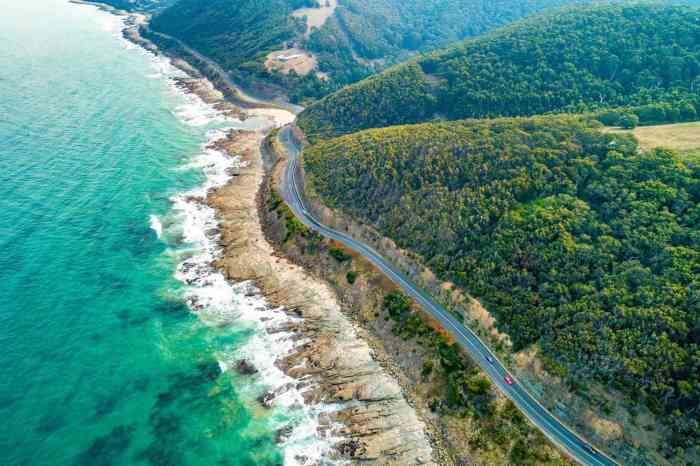
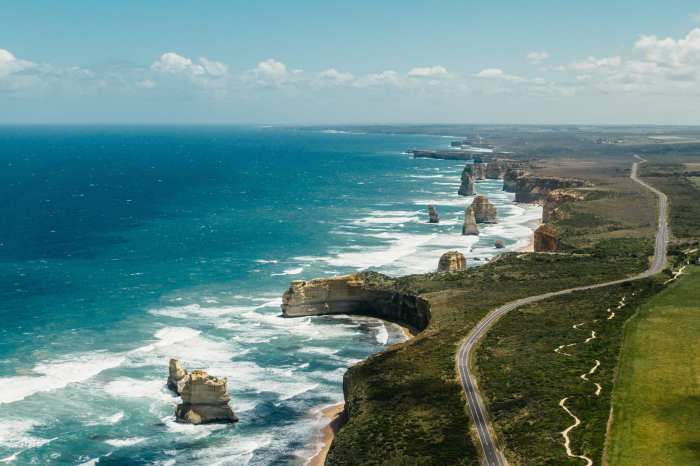
- Great Ocean Road, Victoria, Australia: Carved into the rugged coastline of southern Australia, this scenic drive showcases the Twelve Apostles, dramatic rock formations rising from the ocean. The road offers stunning coastal views, rainforests, and charming seaside towns.
- Wild Atlantic Way, Ireland: Spanning over 2,500 kilometers, this route traces the entire western coastline of Ireland. It features dramatic cliffs, charming villages, and breathtaking ocean views. Expect stunning scenery and a taste of traditional Irish culture.
- Route 1, Iceland: This ring road encircles Iceland, offering dramatic coastal scenery, glaciers, volcanoes, and waterfalls. The journey showcases Iceland’s raw natural beauty and unique geological features. Be prepared for unpredictable weather conditions.
- Coastal Drive, Normandy, France: This scenic route winds along the dramatic coastline of Normandy, France. It offers stunning views of the English Channel, historic landmarks, and charming coastal towns. The area holds significant historical importance, offering a blend of natural beauty and historical significance.
Pacific Coast Highway (USA)
The Pacific Coast Highway (PCH), officially designated as Highway 1 in California, is an iconic American road trip, offering breathtaking coastal views, charming towns, and a diverse range of activities. Stretching over 650 miles from Dana Point in Southern California to Leggett in Northern California, the PCH provides an unforgettable journey for those seeking adventure and scenic beauty. This detailed exploration will highlight key attractions, optimal travel times, potential road conditions, and a sample itinerary for a memorable week-long adventure.
Key Attractions and Scenic Viewpoints Along the Pacific Coast Highway
The PCH boasts a wealth of attractions, from dramatic cliffs and sandy beaches to redwood forests and charming seaside towns. Iconic landmarks include Bixby Bridge, a stunning concrete arch bridge offering panoramic ocean views; Pfeiffer Big Sur State Park, home to towering redwood trees and scenic hiking trails; and the picturesque town of Carmel-by-the-Sea, known for its art galleries and quaint shops.
Numerous scenic viewpoints along the route provide opportunities for breathtaking photographs and moments of quiet contemplation. The dramatic coastline itself, with its crashing waves and hidden coves, is a continuous source of visual wonder. Each section of the highway offers unique experiences, ensuring a dynamic and engaging journey.
Best Time to Travel and Potential Road Conditions
The ideal time to travel the PCH is during spring (April-May) or fall (September-October). These shoulder seasons offer pleasant temperatures, fewer crowds, and generally favorable weather conditions. Summer (June-August) can be crowded and experience higher temperatures, while winter (November-March) may encounter rain, fog, and even road closures due to landslides or severe weather. It is crucial to check road conditions and weather forecasts before embarking on the journey, particularly during the winter months.
Some sections of the PCH, especially in Big Sur, are known for narrow lanes and winding roads, requiring cautious driving. Landslides are a possibility, particularly after heavy rainfall, leading to temporary or prolonged road closures. Checking Caltrans’ website for real-time road conditions is highly recommended.
Sample 7-Day Pacific Coast Highway Road Trip Itinerary
This itinerary focuses on the central and northern sections of the PCH, offering a balance of scenic drives, outdoor activities, and cultural experiences. Adjustments can be made to suit individual preferences and time constraints.
| Day | Location | Activities | Accommodation Suggestion |
|---|---|---|---|
| 1 | San Simeon | Visit Hearst Castle, explore the charming town. | San Simeon Inn |
| 2 | Big Sur | Hike in Pfeiffer Big Sur State Park, enjoy scenic overlooks at Bixby Bridge and McWay Falls. | Ventana Big Sur, an Alila Resort (luxury) or Big Sur Lodge (mid-range) |
| 3 | Monterey & Carmel | Explore the Monterey Bay Aquarium, stroll through the 17-Mile Drive, visit Carmel-by-the-Sea. | Hotel Carmel (luxury) or La Playa Carmel (mid-range) |
| 4 | Monterey/Carmel | Kayaking or whale watching tour (seasonal), explore more of the area’s art galleries and shops. | Same as Day 3 |
| 5 | Santa Cruz | Visit the Santa Cruz Beach Boardwalk, explore the natural beauty of the Santa Cruz coastline. | Dream Inn Santa Cruz (luxury) or Seascape Beach Resort (mid-range) |
| 6 | Half Moon Bay | Explore the charming town, visit the Half Moon Bay State Beach. | Sam’s Chowder House (unique lodging option) or Ritz-Carlton, Half Moon Bay (luxury) |
| 7 | San Francisco | Arrive in San Francisco, enjoy the city’s attractions. | Hotel Nikko San Francisco (luxury) or Hotel Riu Plaza Fisherman’s Wharf (mid-range) |
Great Ocean Road (Australia)
The Great Ocean Road, a breathtaking coastal drive along Australia’s southern coast in the state of Victoria, offers a spectacular journey through dramatic landscapes and abundant wildlife. Carved into the rugged coastline, this iconic road is more than just a route; it’s an experience that seamlessly blends stunning natural beauty with charming coastal towns. This section will explore the geological wonders, wildlife encounters, and practical tips for navigating this unforgettable road trip.Geological Formations and Wildlife EncountersThe Great Ocean Road showcases a remarkable display of geological formations, primarily shaped by millions of years of coastal erosion.
Towering limestone cliffs, sculpted by wind and waves, stand sentinel over the turbulent Southern Ocean. The most famous of these formations, the Twelve Apostles, are a testament to the power of nature. These dramatic rock stacks, once part of a larger cliff face, now stand proudly in the ocean, each unique in shape and size. Beyond the Apostles, the coastline reveals a diverse array of geological features, including Loch Ard Gorge, a sheltered cove with a poignant shipwreck history, and the London Bridge, a natural rock formation that once resembled a bridge before a section collapsed.
Wildlife along the Great Ocean Road is equally captivating. The coastline provides a habitat for diverse bird species, including various seabirds, while koalas can sometimes be spotted in the coastal eucalyptus forests. Marine life is abundant in the waters, with opportunities for whale watching (seasonal) and spotting dolphins and seals.Photogenic Spots and Descriptive DetailsSeveral locations along the Great Ocean Road are exceptionally photogenic.
The Twelve Apostles, with their majestic presence against the backdrop of the Southern Ocean, are undeniably iconic. Imagine the scene: towering limestone stacks bathed in the golden light of sunset, the crashing waves creating a symphony of sound. Another stunning location is Loch Ard Gorge, where the contrast between the rugged cliffs and the tranquil cove creates a captivating visual narrative.
The secluded beauty of this spot, coupled with its historical significance, makes it a must-visit. For a different perspective, consider visiting Gibson Steps, where you can descend to the beach below the dramatic cliffs and experience the raw power of the ocean up close. The rugged beauty of the coastline from the viewpoints along the road itself offers breathtaking panoramic vistas.Practical Tips for Driving the Great Ocean RoadDriving the Great Ocean Road is a rewarding experience, but careful planning is essential.
The road is well-maintained, but sections can be narrow and winding, requiring cautious driving, especially in challenging weather conditions. Speed limits should be strictly adhered to, and drivers should be prepared for potential delays due to wildlife crossings or temporary road closures. Parking can be limited at popular viewpoints, particularly during peak seasons. Arriving early in the morning or late in the afternoon can help avoid the crowds.
Consider booking accommodation in advance, especially if traveling during peak tourist seasons. Finally, always check the weather forecast before embarking on your journey and pack accordingly. Be prepared for unpredictable weather conditions, including strong winds and rain.Visual Representation of the RouteImagine a map illustrating the Great Ocean Road, starting from Torquay and winding along the coast. Key stops are marked with descriptive captions.
Torquay, known for its surfing culture, is depicted with a small wave icon. The Twelve Apostles are represented with a cluster of iconic rock stack illustrations, captioned “Twelve Apostles: Majestic limestone stacks”. Loch Ard Gorge is shown with a small cove illustration, captioned “Loch Ard Gorge: A sheltered cove with a poignant history”. Gibson Steps is depicted with a descending staircase leading to a beach, captioned “Gibson Steps: Descend to the beach and feel the ocean’s power”.
Finally, the map extends to the end of the Great Ocean Road, showing the diverse coastline and the iconic road winding its way through the stunning landscape.
Amalfi Coast Drive (Italy)
The Amalfi Coast Drive, a winding ribbon of road clinging to the dramatic cliffs of southern Italy, offers a driving experience unlike any other. Unlike the expansive, often-straight stretches of the Pacific Coast Highway or the dramatic coastal scenery of the Great Ocean Road, the Amalfi Coast is characterized by its intensely close proximity to the sea, its numerous hairpin turns, and its concentration of charming villages nestled amongst the dramatic landscape.
This journey prioritizes the exploration of picturesque towns and the immersion in Italian culture, rather than simply the scenic drive itself.The Amalfi Coast Drive distinguishes itself through its unique blend of breathtaking scenery and densely populated, historic towns. While the Pacific Coast Highway showcases expansive beaches and dramatic cliffs, and the Great Ocean Road focuses on rugged coastline and wildlife, the Amalfi Coast offers a more intimate experience, with the sea often visible from nearly every point along the route.
The sheer number of towns and villages packed along this relatively short stretch of coastline is a key differentiator, creating a constantly shifting panorama of colorful buildings, terraced vineyards, and the deep blue Mediterranean.
Charming Towns and Villages
The Amalfi Coast is a string of pearls, each village possessing its own unique character and charm. Positano, with its cascading houses painted in vibrant hues, is iconic. Amalfi, the namesake town, boasts a rich history and impressive Duomo. Ravello, perched high on a cliff, offers breathtaking panoramic views. Each town presents a different architectural style, reflecting its individual history and economic activities.
The narrow, winding streets are characteristic, often leading to hidden piazzas and stunning overlooks. The overall effect is a sense of timeless beauty, a journey through centuries of Italian history and architectural tradition.
Local Culture, Cuisine, and Traditions
The Amalfi Coast’s culture is deeply rooted in its maritime history and its relationship with the sea. Fishing remains an important tradition, and fresh seafood features prominently in the local cuisine. Lemons are another key ingredient, their bright, citrusy flavor adding zest to many dishes and drinks. The region is renowned for its limoncello, a sweet lemon liqueur, a perfect accompaniment to the region’s rich culinary heritage.
Local traditions often involve religious festivals and celebrations, many of which are interwoven with the natural beauty of the surrounding landscape. The close-knit communities maintain strong ties to their heritage, evident in the preservation of their unique architectural styles and culinary traditions.
Recommended Restaurants and Local Experiences
Planning a trip to the Amalfi Coast involves selecting from a wealth of dining and activity options. For a truly memorable experience, consider these suggestions:
Many restaurants offer breathtaking views alongside authentic Italian cuisine. For example, Ristorante Marina Grande in Positano provides exquisite seafood with panoramic views of the coastline. In Amalfi, Cumpa Cosimo is known for its traditional dishes and welcoming atmosphere. For a more upscale experience, consider La Sponda at Le Sirenuse in Positano, renowned for its romantic ambiance and refined menu.
Beyond dining, exploring the region’s hiking trails offers unparalleled perspectives. The Path of the Gods provides stunning vistas. Boat tours offer access to hidden coves and secluded beaches, providing a different perspective on the coastline’s beauty. Visiting local markets and interacting with the friendly locals provides further immersion in the rich culture and traditions of the region. Consider attending a local festival or celebration to experience the vibrant social life of the Amalfi Coast.
Route 66 (USA)
Route 66, the “Mother Road,” holds a legendary status in American culture, symbolizing freedom, adventure, and the spirit of the open road. While primarily an inland route, its historical significance extends to its connections with coastal areas, offering unique perspectives on the diverse landscapes and communities along its path. Exploring these coastal extensions reveals a richer understanding of Route 66’s legacy and the beauty of the American coastline.
Route 66’s Coastal Intersections and Unique Features, Famous Coastal Road Trips Around the World
The original Route 66 didn’t directly follow the coastline for extensive stretches. However, several sections intersected with, or ran parallel to, coastal highways, offering drivers glimpses of the ocean and distinct coastal experiences. These intersections often provided access to popular beach towns, scenic overlooks, and unique roadside attractions that blended the iconic Route 66 experience with the charm of the coast.
The blend of desert landscapes transitioning to coastal scenery is a hallmark of these intersections.
California Coastal Sections of Route 66
Several segments in California offer a taste of coastal Route 66. The Santa Monica area, for instance, represents a prime example.
- Santa Monica: The iconic Santa Monica Pier, a vibrant landmark at the end of Route 66, provided a dramatic conclusion to the journey for many travelers. The pier’s amusement park, restaurants, and breathtaking ocean views offered a memorable finale to the cross-country drive. The area surrounding the pier was also filled with Art Deco architecture and classic Route 66 motels, offering a glimpse into the era’s roadside culture.
- Santa Barbara Area: Although not directly on the coast, sections of Route 66 in the Santa Barbara area offered scenic drives with glimpses of the Pacific Ocean. These sections provided a transition from the inland desert landscapes to the coastal Mediterranean climate, showcasing a shift in vegetation and architectural styles.
Illinois Coastal Connections (Lake Michigan)
While not the Pacific Ocean, Route 66’s Illinois leg offers coastal experiences along Lake Michigan.
- Chicago’s Lakefront: Although not a direct coastal drive, the route passed through parts of Chicago with access to Lake Michigan. Drivers could easily detour to the lakefront, enjoying the city’s iconic skyline juxtaposed against the vast expanse of the lake. This provided a different kind of coastal experience, emphasizing urban landscapes meeting a large body of water.
Coastal Road Trips in South America
South America boasts a breathtaking coastline, offering a wealth of undiscovered coastal driving experiences beyond the well-trodden tourist paths. These lesser-known routes present a unique blend of stunning landscapes, vibrant cultures, and thrilling adventures, providing a rewarding alternative to more established road trip destinations. While the challenges are real, the rewards are unparalleled for the intrepid traveler.
Lesser-Known Coastal Road Trips in South America
Several spectacular coastal routes in South America remain relatively unexplored by international tourists, offering a more authentic and immersive travel experience. These journeys provide opportunities to witness diverse ecosystems, from arid deserts to lush rainforests, and encounter unique wildlife and local cultures. One example is the Carretera Austral in Chile, a challenging yet rewarding route that winds through Patagonia’s breathtaking fjords and mountains.
Another is the Ruta Nacional 40 in Argentina, which stretches along the Patagonian coast, offering stunning views of glaciers and pristine beaches. Finally, the coastal drive from Guayaquil to Manta in Ecuador showcases diverse landscapes, from bustling cityscapes to tranquil beaches and lush coastal forests. These routes, while demanding, offer an unparalleled sense of adventure and discovery.
Challenges and Rewards of Driving in South American Coastal Regions
Driving along South America’s coastal routes presents unique challenges, including varying road conditions, remote locations, and potential weather-related difficulties. Road surfaces can range from well-maintained highways to rugged, unpaved tracks, requiring a vehicle suitable for diverse terrains. Remote stretches may lack reliable cell service and emergency services, necessitating thorough planning and preparation. Weather conditions can be unpredictable, with sudden changes impacting visibility and road conditions.
Despite these challenges, the rewards are immense. The breathtaking scenery, opportunities for wildlife spotting, and encounters with local cultures create an unforgettable journey, offering a unique perspective on South America’s diverse landscapes and rich heritage. The sense of accomplishment from navigating these routes successfully is a reward in itself.
Tips for Planning a Safe and Enjoyable Road Trip in South America
Prior planning is crucial for a safe and enjoyable South American coastal road trip. Thorough vehicle maintenance is essential, including checking tires, brakes, and fluids. Carrying a comprehensive first-aid kit, spare tire, and basic tools is also recommended. Researching road conditions and weather forecasts beforehand is vital, as conditions can change rapidly. Informing someone of your itinerary and expected arrival times is a safety precaution, especially in remote areas.
Learning basic Spanish phrases can significantly enhance interactions with locals. Respecting local customs and traditions contributes to a more enriching and positive travel experience. Finally, allowing ample time for unexpected delays and embracing the journey’s spontaneity will enhance the overall enjoyment of the trip.
Visual Comparison of South American Coastal Landscapes
Imagine a visual comparison showcasing the stark contrasts of South America’s coastal diversity. One panel could depict the dramatic, snow-capped Andes mountains plunging directly into the turquoise waters of Patagonia’s fjords, as seen along the Carretera Austral. This image would highlight the raw, untamed beauty of the region. Another panel could contrast this with the vibrant, sun-drenched beaches of Ecuador’s coast, teeming with wildlife and bordered by lush tropical vegetation.
This panel would showcase the vibrant life and warmth of the equatorial climate. A third panel could depict the dramatic cliffs and windswept beaches of the Patagonian coast along Argentina’s Ruta 40, highlighting the stark beauty of the region and its unique, almost desolate character. This visual comparison would effectively illustrate the incredible diversity of South America’s coastal landscapes, demonstrating the unique beauty found along each route.
Top Urban Destinations
Exploring coastal routes often leads to captivating cities brimming with culture and unique experiences. This section delves into five exemplary urban destinations, highlighting their must-see attractions and offering a taste of authentic local life. These cities represent a diverse range of cultural influences and architectural styles, offering something for every traveler.
Top Urban Destinations: Attractions and Experiences
The following table details five top urban destinations, showcasing their prominent attractions and unique cultural experiences. The “Recommendation” column provides concise advice for maximizing your time and enjoyment in each city.
| City | Attraction | Experience | Recommendation |
|---|---|---|---|
| Kyoto, Japan | Kinkaku-ji (Golden Pavilion), Fushimi Inari-taisha Shrine, Kiyomizu-dera Temple | Traditional tea ceremony, wearing a kimono for a day, attending a geisha district tour | Allow ample time to explore the numerous temples and shrines; book tea ceremony and kimono experiences in advance. |
| Paris, France | Eiffel Tower, Louvre Museum, Arc de Triomphe | Picnic by the Seine, exploring Montmartre’s artistic streets, enjoying a classic French dinner | Pre-book Eiffel Tower tickets to avoid long queues; wander through the charming neighborhoods beyond the main attractions. |
| New York City, USA | Times Square, Statue of Liberty, Central Park | Broadway show, exploring diverse neighborhoods like Greenwich Village or Chinatown, enjoying a rooftop bar | Purchase Broadway tickets well in advance; utilize the subway system for efficient transportation. |
| Rio de Janeiro, Brazil | Christ the Redeemer, Sugarloaf Mountain, Copacabana Beach | Samba dance class, attending a Carnival parade (if timing aligns), exploring the vibrant Santa Teresa neighborhood | Plan your visits to Christ the Redeemer and Sugarloaf Mountain early to avoid crowds; embrace the lively atmosphere of the city. |
| Barcelona, Spain | Sagrada Familia, Park Güell, La Rambla | Tapas tour, flamenco show, exploring the Gothic Quarter’s medieval streets | Book Sagrada Familia tickets online; get lost in the labyrinthine streets of the Gothic Quarter. |
Best Cities for Nightlife
Exploring the vibrant tapestry of global nightlife reveals a diverse spectrum of experiences, from intimate cocktail bars to sprawling mega-clubs. Each city possesses its unique character, influencing the atmosphere and style of its nocturnal offerings. This section delves into three iconic cities renowned for their exceptional nightlife, highlighting their distinctive features and premier entertainment districts.
Nightlife in Berlin, Germany
Berlin’s nightlife is legendary, a product of its rich history and rebellious spirit. The city’s diverse population and open-minded culture contribute to a vibrant and eclectic scene. Numerous abandoned industrial spaces have been transformed into unique venues, offering a raw and alternative vibe. The city’s liberal approach to licensing and regulations has also fostered a flourishing independent scene.
Best Neighborhoods: Friedrichshain and Kreuzberg are renowned for their alternative and underground nightlife. Friedrichshain boasts a plethora of clubs, bars, and live music venues, often housed in repurposed industrial buildings. Kreuzberg, known for its multicultural atmosphere, offers a mix of trendy bars, underground clubs, and vibrant street life. These neighborhoods’ distinct character and independent spirit contribute to their appeal.
The combination of affordability, creative spaces, and open-mindedness has drawn a diverse and dedicated nightlife community.
Nightlife in New York City, USA
New York City’s nightlife is as diverse and dynamic as the city itself. From sophisticated cocktail lounges to bustling dance clubs, the city caters to every taste and preference. Its reputation as a global hub attracts a cosmopolitan crowd, creating a high-energy and competitive environment. The city’s strict regulations, however, lead to a more curated and upscale experience in many areas.
Best Neighborhoods: The Lower East Side and Greenwich Village represent contrasting yet equally compelling nightlife experiences. The Lower East Side offers a grittier, more underground vibe, with smaller, independent venues and a strong DIY ethic. Greenwich Village, historically a center for bohemian culture, boasts a more sophisticated atmosphere with a mix of upscale bars, intimate jazz clubs, and traditional pubs.
Nightlife in Tokyo, Japan
Tokyo’s nightlife is characterized by its unique blend of tradition and modernity. The city offers a diverse range of experiences, from traditional Izakayas (Japanese pubs) to cutting-edge clubs with state-of-the-art sound systems. The city’s meticulous attention to detail and high level of service are evident in its nightlife establishments. Strict regulations and a focus on safety contribute to a more controlled and orderly atmosphere compared to other cities.
Best Neighborhoods: Shinjuku’s Golden Gai, a network of narrow alleyways packed with tiny bars, offers a glimpse into Tokyo’s unique nightlife culture. Shibuya, known for its iconic scramble crossing, boasts a trendy and modern nightlife scene with a mix of clubs, bars, and karaoke venues. These neighborhoods represent the contrasting facets of Tokyo’s nightlife – the intimate and traditional versus the vibrant and contemporary.
Comparative Analysis of Nightlife Experiences
While all three cities offer exceptional nightlife, their experiences differ significantly. Berlin prioritizes affordability, independent spirit, and a raw, alternative vibe. New York City provides a more upscale and curated experience, reflecting its status as a global hub. Tokyo, in contrast, blends tradition and modernity, emphasizing meticulous service and a unique cultural atmosphere. The regulatory environments and cultural nuances profoundly shape the character and style of each city’s nightlife scene.
Each city caters to a specific preference, offering a unique and memorable experience.
Shopping Travel Guides: Famous Coastal Road Trips Around The World
Urban retail therapy offers a unique lens through which to experience a city’s culture and character. Beyond the typical tourist attractions, exploring local shops and markets provides a deeper understanding of the city’s pulse and its inhabitants. This mini-guide highlights three diverse cities, each offering a unique blend of shopping experiences.
Shopping in Tokyo, Japan
Tokyo presents a captivating array of shopping opportunities, ranging from high-end department stores to vibrant street markets. The diversity reflects the city’s blend of traditional and modern aesthetics.
- Ginza: This upscale district is home to flagship stores of international luxury brands, alongside elegant Japanese boutiques showcasing traditional crafts and contemporary designs. Imagine strolling past impeccably dressed shoppers, browsing through windows displaying exquisite kimonos and cutting-edge fashion. The atmosphere is sophisticated and refined, offering a high-end shopping experience.
- Shibuya: Known for its trendy fashion and youth culture, Shibuya offers a vibrant contrast to Ginza. Here, you’ll find everything from quirky independent boutiques and cutting-edge streetwear shops to sprawling department stores like Shibuya 109, a haven for young women’s fashion. The energy is palpable, with crowds of shoppers navigating bustling streets and trendy cafes.
- Ameya Yokocho Market (Ameyoko): This bustling open-air market offers a more authentic and less polished shopping experience. Here, you can find everything from fresh seafood and produce to clothing, electronics, and souvenirs. The atmosphere is energetic and chaotic, a true immersion in Tokyo’s everyday life. Bargaining is common and encouraged, adding to the unique experience.
Shopping in Marrakech, Morocco
Marrakech’s souks (markets) offer a sensory overload of sights, sounds, and smells, providing a unique and immersive shopping experience unlike any other. Negotiation is key to securing the best prices, and patience is rewarded with unique treasures.
- Djemaa el-Fna Square: While primarily known for its evening entertainment, the square’s daytime markets offer a taste of traditional Moroccan crafts and goods. Expect to find spices, carpets, leather goods, and jewelry, all vying for your attention amidst a throng of vendors. The atmosphere is lively and chaotic, a sensory feast for the senses.
- Souk Semmarine: This labyrinthine souk specializes in traditional Moroccan crafts, including ceramics, textiles, and metalwork. The narrow alleyways are packed with stalls overflowing with colorful goods, creating a truly immersive experience. It’s a place to haggle for unique pieces and witness the artistry of Moroccan craftsmanship firsthand.
- Luxury Boutiques in the Gueliz District: For a more refined shopping experience, head to the Gueliz district. This modern area offers a selection of high-end boutiques showcasing both international and Moroccan designers, providing a more curated and upscale alternative to the souks.
Shopping in London, England
London’s diverse shopping scene caters to all tastes and budgets, from iconic department stores to independent boutiques and bustling markets. The city’s rich history and global influence are reflected in its retail landscape.
- Oxford Street: This iconic shopping street is home to flagship stores of major international brands, offering a wide range of high-street fashion and department stores like Selfridges and John Lewis. It’s a classic London shopping experience, bustling with shoppers and offering a vast array of options.
- Covent Garden: This historic area offers a blend of high-end boutiques, independent shops, and street performers, creating a vibrant and unique shopping atmosphere. You can find everything from designer clothing and jewellery to quirky gifts and souvenirs, all within a charming and historic setting.
- Portobello Road Market: This famous market, held on Fridays and Saturdays, offers a treasure trove of antiques, vintage clothing, and unique finds. It’s a great place to hunt for bargains and discover one-of-a-kind items. The atmosphere is lively and eclectic, reflecting the market’s diverse offerings.
Urban Architecture Tours
Urban architecture offers a captivating glimpse into a city’s history, culture, and evolution. By exploring the diverse architectural styles present in major urban centers worldwide, we gain a deeper understanding of the societies that shaped them. This exploration delves into three iconic architectural styles, showcasing their historical context and significance through notable examples.
Gothic Architecture
Gothic architecture, flourishing from the 12th to the 16th centuries in Europe, is characterized by its pointed arches, ribbed vaults, flying buttresses, and ornate detailing. This style represented a significant departure from the Romanesque architecture that preceded it, reflecting the burgeoning intellectual and spiritual fervor of the period. The emphasis on verticality, light, and intricate decoration symbolized the aspiration towards the divine.
Two prime examples of Gothic architecture are:
- Notre-Dame Cathedral, Paris: A masterpiece of French Gothic architecture, its iconic rose windows, soaring spires, and intricate stone carvings epitomize the style’s grandeur and spiritual ambition. Its construction spanned centuries, reflecting the evolving techniques and artistic sensibilities of the time.
- Cologne Cathedral, Germany: This immense cathedral, begun in the 13th century and completed in the 19th, is a testament to the enduring appeal of Gothic architecture. Its twin spires dominate the Cologne skyline, showcasing the engineering prowess and artistic vision of the era. The cathedral’s construction was interrupted several times, but its eventual completion represents the enduring legacy of the Gothic style.
Art Deco Architecture
Art Deco, prevalent in the 1920s and 1930s, is characterized by its streamlined forms, geometric patterns, and lavish ornamentation. It reflected the optimism and technological advancements of the era, showcasing a blend of modernism and classical influences. The style often incorporated luxurious materials such as chrome, glass, and polished stone, reflecting the prosperity of the time.
Examples of Art Deco architecture include:
- Chrysler Building, New York City: This iconic skyscraper, with its distinctive spire and decorative elements, is a prime example of Art Deco’s exuberance and ambition. Its construction reflected the competitive spirit of the era, as it vied for the title of the world’s tallest building.
- Eastern Columbia Building, Los Angeles: This stunning building, with its turquoise glazed terracotta exterior and stylized ornamentation, showcases the Art Deco style’s adaptability to different climates and contexts. Its distinctive design makes it a landmark in the city.
Modernist Architecture
Modernist architecture, emerging in the early 20th century, championed functionality, simplicity, and clean lines. It rejected ornamentation and embraced new materials such as steel and concrete. The movement aimed to create buildings that were honest in their construction and responsive to the needs of modern life.
Notable examples of Modernist architecture are:
- Fallingwater, Pennsylvania: Designed by Frank Lloyd Wright, this iconic house seamlessly integrates with its natural surroundings, showcasing the modernist emphasis on organic forms and harmony with nature. Its innovative cantilever design and use of natural materials represent a landmark achievement in residential architecture.
- Barcelona Pavilion, Spain: Designed by Mies van der Rohe, this pavilion, originally built for the 1929 Barcelona International Exposition, exemplifies the modernist pursuit of minimalist elegance and spatial fluidity. Its open plan and use of minimalist materials showcase the core principles of the International Style of Modernism.
Ultimately, the allure of coastal road trips lies in the freedom of the open road, the breathtaking scenery, and the unique experiences each destination offers. Whether you choose the iconic Pacific Coast Highway, the stunning Great Ocean Road, or the picturesque Amalfi Coast Drive, the journey itself becomes an integral part of the adventure. Careful planning, an adventurous spirit, and a thirst for exploration are all you need to create lasting memories on one of these incredible coastal road trips.
So, pack your bags, hit the road, and prepare to be amazed by the beauty of the world’s coastlines.
Answers to Common Questions
What are the best months to travel on these coastal routes?
Optimal travel times vary by location and personal preference. Generally, shoulder seasons (spring and fall) offer pleasant weather and fewer crowds.
What type of vehicle is recommended for these road trips?
A reliable vehicle suitable for varied road conditions is essential. Consider a car with good ground clearance for some routes. Rental cars are readily available in most locations.
How much does a typical coastal road trip cost?
Costs vary greatly depending on the route, duration, accommodation choices, and activities. Budgeting for fuel, accommodation, food, and activities is crucial for a realistic cost estimate.
What safety precautions should I take on a coastal road trip?
Always check road conditions and weather forecasts before traveling. Drive defensively, be aware of wildlife, and ensure your vehicle is properly maintained. Inform someone of your itinerary and expected return.