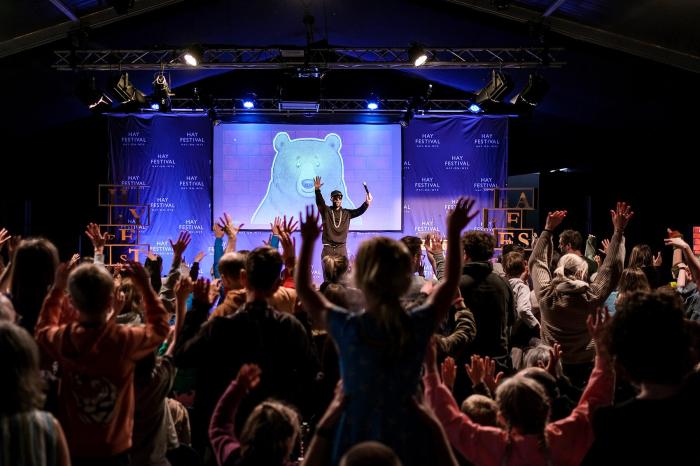
Top Literary Festivals in the World offer a vibrant tapestry of literary expression, drawing renowned authors and passionate readers alike. These events transcend mere book signings; they become immersive experiences, fostering intellectual discourse, celebrating diverse voices, and igniting a shared love of storytelling. From intimate gatherings to large-scale celebrations, these festivals shape literary landscapes, impacting both the industry and the cities that host them.
This exploration delves into the world’s most influential literary festivals, examining their unique contributions and lasting impact.
We will explore the history and evolution of several key festivals, compare their programming styles, and analyze their economic and social influence on their host cities. Furthermore, we will consider the crucial role these festivals play in promoting diversity and inclusion within the literary world, ensuring a broader range of voices are heard and celebrated.
Related Urban Exploration
Urban exploration offers a unique lens through which to experience the world’s literary festivals, extending beyond the confines of the event itself. By exploring the surrounding urban environment, attendees can gain a deeper understanding of the city’s cultural fabric and the inspiration behind the literary works celebrated at the festival. This section delves into enriching urban adventures, focusing on metro systems, skyscraper architecture, and urban photography techniques.
A Metro Adventure in London
The London Underground, affectionately known as the “Tube,” is a marvel of engineering and a microcosm of London life. An itinerary could begin at Westminster station, with its proximity to the Houses of Parliament and Big Ben, offering a glimpse into British history and politics. A journey along the Central line to Holborn would lead to the British Museum, a treasure trove of human history and culture, potentially inspiring connections to the themes explored at the literary festival.
Continuing to Tottenham Court Road, the vibrant energy of the area could be contrasted with the serene atmosphere of the nearby Fitzrovia, a neighbourhood that has historically attracted writers and artists. Finally, a ride to Covent Garden provides a bustling finale, a place teeming with street performers and unique shops, reflecting the creativity celebrated at the festival. This journey highlights the interconnectedness of London’s history, culture, and artistic spirit.
Globally Significant Skyscrapers and Observation Decks
Skyscrapers represent humanity’s ambition and architectural ingenuity, often serving as symbolic landmarks within a city’s landscape. The Empire State Building in New York City, a masterpiece of Art Deco design, offers breathtaking panoramic views from its observation deck, allowing visitors to appreciate the city’s sprawling layout and its rich history. The Shanghai Tower in China, the second-tallest building in the world, showcases cutting-edge sustainable design and boasts stunning views of the city’s futuristic skyline.
The Burj Khalifa in Dubai, the world’s tallest building, provides unparalleled views from its observation decks, showcasing the dramatic desert landscape meeting the modern metropolis. These structures, each with unique architectural features and observation deck experiences, represent diverse urban landscapes and architectural styles across the globe.
Capturing Stunning Urban Photography
Mastering urban photography requires attention to several key elements. Lighting plays a crucial role; the “golden hour,” the period shortly after sunrise and before sunset, offers warm, soft light that enhances textures and details. Composition is equally important; employing the rule of thirds, leading lines, and symmetry can create visually appealing images. Subjects should be carefully selected; this could range from capturing the intricate details of architectural facades to the dynamic energy of street life, from the reflective surfaces of modern buildings to the quiet beauty of a hidden alleyway.
Experimentation with different angles and perspectives can significantly enhance the visual impact of the photographs. By carefully considering these elements, photographers can capture compelling images that reflect the unique character of the urban environment.
Related Urban Exploration
Urban green spaces are increasingly recognized as vital components of thriving cities, offering ecological, social, and economic benefits. Their design, integration into urban planning, and impact on residents and visitors are key aspects to consider when evaluating a city’s sustainability and quality of life. This section will explore several unique urban parks, compare different approaches to urban green space integration, and highlight the advantages these spaces provide.
Unique Urban Parks and Green Spaces
Three distinct examples illustrate the diverse ways cities incorporate green spaces: High Line in New York City, The Buttes-Chaumont Park in Paris, and the Gardens by the Bay in Singapore. Each demonstrates a unique approach to design, features, and ecological role within its respective urban context.High Line, a repurposed elevated railway line, showcases innovative adaptive reuse. Its linear design incorporates native plantings, offering diverse habitats for wildlife amidst a dense urban environment.
The park provides a unique perspective of the city, promoting both recreation and ecological awareness. Its success has inspired similar projects globally.The Buttes-Chaumont Park in Paris exemplifies a Romantic-style landscape design. This large park features dramatic topography, including a waterfall, lake, and grottoes, creating a visually stunning and diverse environment. The park’s design intentionally blends natural and artificial elements, fostering biodiversity and providing a tranquil escape from the bustling city.
Its historical significance and integration within the city’s fabric contribute to its enduring appeal.Gardens by the Bay in Singapore represents a highly engineered and technologically advanced approach to urban green space. The park features iconic Supertrees, vertical gardens that integrate environmental technologies, such as solar energy collection and rainwater harvesting. Its innovative design and focus on sustainability highlight a forward-thinking approach to urban greening.
The park’s diverse plant collections and educational programs contribute to environmental awareness and tourism.
Approaches to Integrating Green Spaces into Urban Planning
Cities worldwide adopt varying approaches to integrating green spaces. Some prioritize large, centralized parks like Central Park in New York City, while others focus on a network of smaller, neighborhood parks and green corridors. Different planning philosophies and available resources influence these choices. For example, cities with limited land may prioritize vertical greening or rooftop gardens, while those with abundant space can focus on extensive park systems.
The integration of green spaces into urban planning is often influenced by factors like environmental regulations, citizen participation, and economic considerations. Some cities prioritize accessibility and equitable distribution of green spaces, ensuring all residents have access to nearby parks. Others prioritize ecological restoration and biodiversity conservation within their urban planning.
Benefits of Urban Parks and Green Spaces, Top Literary Festivals in the World
Urban parks and green spaces offer numerous benefits for both residents and visitors. They improve air and water quality, reduce the urban heat island effect, and support biodiversity. These spaces also provide recreational opportunities, promoting physical and mental well-being. Studies consistently show that access to green spaces is linked to reduced stress levels, improved mental health, and increased social interaction.
Furthermore, urban green spaces enhance property values, attract tourism, and contribute to a city’s overall aesthetic appeal. The economic benefits, including increased property values and tourism revenue, are significant, making green spaces a valuable asset for urban areas. In addition to the tangible benefits, green spaces foster a sense of community and belonging, contributing to a more vibrant and livable city.
Ultimately, the world’s top literary festivals serve as vital hubs for literary exchange and cultural enrichment. They connect authors with readers, fostering a global community united by a passion for storytelling. Beyond the readings and discussions, these events leave an indelible mark on their host cities, boosting tourism, enriching the cultural landscape, and providing a platform for diverse voices to be heard.
The impact extends far beyond the festival dates, shaping the literary world and inspiring future generations of writers and readers.
FAQ Insights: Top Literary Festivals In The World
How much do tickets to these festivals typically cost?
Ticket prices vary greatly depending on the festival, the event, and the speaker. Some events are free, while others may cost several hundred dollars for a multi-day pass.
Are these festivals accessible to people with disabilities?
Accessibility varies by festival. It’s crucial to check individual festival websites for details on accessibility features and services offered.
How can I get involved as a volunteer?
Many festivals rely on volunteers. Check the festival’s website; volunteer opportunities are often advertised closer to the event dates.
What types of events are typically offered besides author readings?
Many festivals include workshops, panel discussions, book signings, poetry slams, film screenings, and social events.