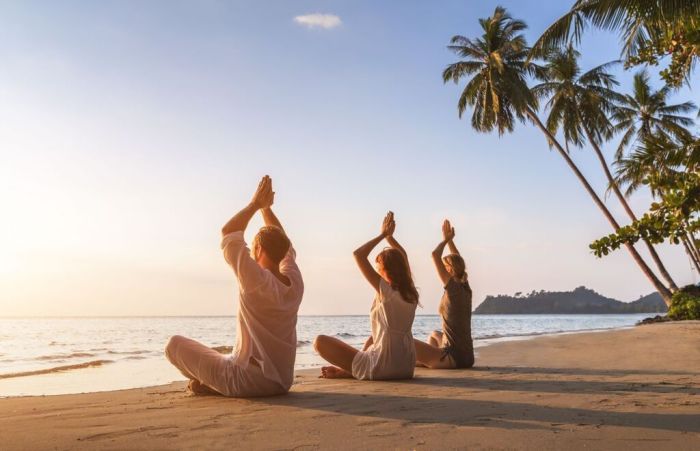
Best Beach Yoga Retreats offer a unique blend of physical and spiritual rejuvenation. Imagine the rhythmic sound of waves, the invigorating scent of sea air, and the breathtaking panorama of sun-kissed shores as you deepen your yoga practice. These retreats cater to diverse needs, from secluded escapes fostering introspection to vibrant beach towns offering a lively social atmosphere.
Whether you seek tranquility or a blend of relaxation and exploration, the perfect beach yoga retreat awaits.
This guide explores various aspects of choosing the ideal retreat, considering location, yoga styles, accommodation, costs, and the overall value proposition. We’ll delve into the nuances of different retreat environments, the expertise of instructors, and the amenities offered, empowering you to make an informed decision for your transformative journey.
Street Food and Markets
Exploring the vibrant street food scenes around the world offers a unique window into a city’s culture, history, and culinary traditions. From bustling markets overflowing with exotic aromas to humble street vendors offering simple yet delicious dishes, the experience is both a feast for the senses and a journey for the palate. This section delves into the culinary delights of specific locations, examining the atmosphere, popular dishes, and cultural significance of street food.
Chiang Mai Street Food: A Culinary Journey Through Northern Thailand
Chiang Mai’s street food scene is a delightful mix of Northern Thai flavors and influences from neighboring countries. The dishes are often characterized by their use of fresh herbs, spices, and unique cooking techniques. Many vendors operate from simple carts or small stalls, creating a dynamic and ever-changing culinary landscape.
- Khao Soi: This iconic Northern Thai curry noodle soup, typically made with coconut milk, chicken or beef, and egg noodles, can be found at numerous stalls throughout the city, particularly around the Old City walls. Its rich, savory broth and tender meat are a testament to Northern Thai culinary expertise.
- Sai Oua (Northern Thai Sausage): This flavorful sausage, made with a blend of ground pork, herbs, and spices, is often grilled and served with sticky rice. It’s a popular snack readily available at night markets and street food stalls across Chiang Mai.
- Gaeng Hung Lay (Burmese-Style Pork Curry): This rich and flavorful curry, influenced by Burmese cuisine, features tender pork simmered in a thick, reddish-brown sauce. It’s often found in restaurants and some more established street food vendors, particularly in areas with a larger Burmese population.
The Atmosphere of Chiang Mai’s Night Bazaar
Chiang Mai’s Night Bazaar is a sensory overload in the best possible way. The air is thick with the aroma of grilling meats, spicy curries, and sweet desserts. Bright lights illuminate colorful stalls overflowing with food, clothing, and handicrafts. The sounds of chatter, bargaining, and the sizzle of food cooking create a vibrant and energetic atmosphere. Families, couples, and tourists alike mingle, creating a lively and welcoming environment.
The cultural context is evident in the traditional handicrafts displayed alongside modern goods, showcasing the city’s blend of old and new. The bazaar embodies the spirit of Chiang Mai – a vibrant, welcoming, and culturally rich city.
Comparing Street Food Cultures: Chiang Mai vs. Mexico City
While both Chiang Mai and Mexico City boast incredibly diverse and exciting street food scenes, their offerings and cultural contexts differ significantly. Chiang Mai’s street food leans towards lighter, fresher flavors, often incorporating herbs and spices in a delicate balance. The emphasis is often on individual dishes, each with its own unique character and history. In contrast, Mexico City’s street food is bolder and more intensely flavored, often featuring rich sauces, chilies, and a wider variety of meats.
The focus is often on shared plates and a more communal dining experience. Chiang Mai’s street food is often tied to specific regions within Northern Thailand, reflecting local traditions. Mexico City’s street food, however, draws from a vast and diverse culinary heritage, incorporating indigenous ingredients and techniques alongside Spanish and other international influences. The vibrant, bustling atmosphere of both cities, however, is a common thread; both offer an unforgettable culinary adventure.
City Travel Hacks
Navigating a bustling metropolis can feel overwhelming, but with a little planning and these savvy strategies, you can transform your city exploration into a seamless and enjoyable experience. Efficient travel hinges on understanding transportation options, securing affordable accommodation, and minimizing unnecessary expenses. This guide provides practical tips to help you master the art of city travel.
Ten City Travel Hacks for Efficient Exploration
Effective city exploration requires strategic planning. These ten hacks will significantly improve your travel experience, helping you maximize your time and minimize your spending.
- Utilize Public Transportation: Public transport systems are generally the most affordable and efficient way to navigate a city. Familiarize yourself with routes and schedules beforehand.
- Embrace Walking: Walking allows for spontaneous discovery and provides a unique perspective on the city’s character. Plan your walking routes strategically, incorporating points of interest.
- Download City Apps: Many cities offer dedicated apps providing real-time transit information, maps, and even deals on attractions and restaurants.
- Consider City Passes: Tourist passes often offer bundled access to multiple attractions and unlimited public transport, potentially saving you money.
- Pack Light: Avoid lugging around heavy bags. Pack only essential items to make navigating the city easier and more comfortable.
- Book Accommodation in Advance: Securing accommodation in advance, especially during peak season, ensures availability and potentially better rates.
- Explore Free Activities: Many cities offer a wealth of free activities, such as parks, museums (on certain days), walking tours, and street performances.
- Take Advantage of Happy Hour: Enjoy discounted drinks and appetizers during happy hour at local bars and restaurants to save money on dining.
- Learn Basic Phrases: Knowing a few basic phrases in the local language can enhance your interactions and potentially help you navigate situations more easily.
- Stay Aware of Your Surroundings: Maintain awareness of your belongings and surroundings to prevent theft or other incidents.
Navigating Public Transportation in London
London’s extensive public transportation system, including the Underground (Tube), buses, and overground trains, can be mastered with a bit of planning.
Purchasing tickets: Oyster cards or contactless payment are the most convenient options. Oyster cards are rechargeable travel cards offering capped fares, while contactless payment uses your credit or debit card for automatic fare calculation. Avoid single-use tickets as they are generally more expensive.
Navigating routes: Utilize the Transport for London (TfL) website or app for journey planning. These tools provide real-time updates, alternative routes, and estimated travel times. The Tube map, although seemingly complex, is intuitive once you understand its color-coded lines and station symbols.
Finding Affordable Accommodation in Major Cities
Securing affordable accommodation in a major city requires proactive research and consideration of various options.
Strategies for finding budget-friendly options include exploring hostels, guesthouses, Airbnb, and budget hotels located slightly outside the city center. Booking well in advance, especially during peak season, often yields better rates. Consider traveling during the off-season or shoulder season for potentially lower prices. Websites specializing in budget travel can also provide valuable resources and deals.
Metro Adventures
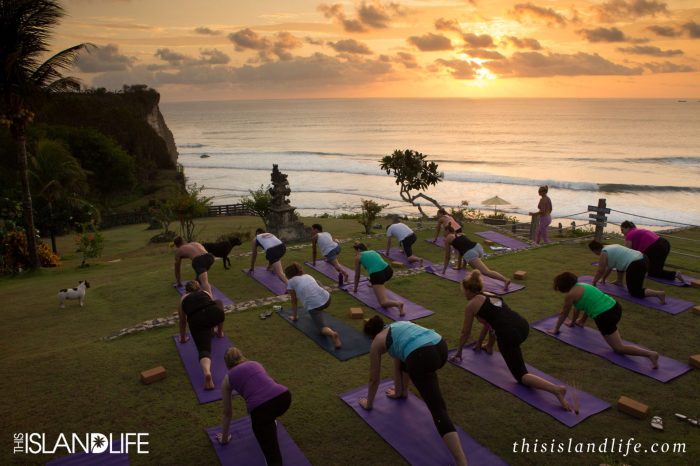
Delving beneath the bustling streets, the world’s metro systems offer a unique perspective on urban life. More than just a mode of transportation, these underground networks reveal a city’s history, architecture, and the daily rhythm of its inhabitants. This exploration focuses on the Parisian Métro and the London Underground, highlighting their distinct characteristics and offering a glimpse into the experience of riding each.
The Parisian Métro: Art Deco Elegance and Historical Echoes, Best Beach Yoga Retreats
The Parisian Métro, inaugurated in 1900, is a testament to the Belle Époque. Many stations boast stunning Art Nouveau and Art Deco designs, with intricate mosaics, wrought-iron details, and elegant tilework. The system’s history is interwoven with the city’s own, reflecting its growth and evolution. Stations like Concorde, with its elegant mosaics depicting the revolutionary period, or Palais Royal–Musée du Louvre, with its minimalist elegance, offer a glimpse into different eras of Parisian history.
The network’s labyrinthine layout, though initially confusing, eventually reveals a logical structure that mirrors the city’s street plan. The overall atmosphere is one of efficient yet stylish transit, a blend of historical grandeur and modern functionality.
A Photographic Ride on the Paris Métro
Imagine: The rhythmic rumble of the train as it enters a station, the clatter of wheels on the tracks, a symphony of sounds punctuated by the announcements in crisp French. The air is thick with the scent of old stone and the subtle perfume of countless passengers. The light spills through the station’s entrance, illuminating the ornate mosaics and the hurried movements of commuters.
A young woman, engrossed in a book, sits quietly; a businessman, absorbed in his phone, stands rigidly; an elderly couple, holding hands, share a knowing smile. Faces blend into a tapestry of Parisian life, each a fleeting glimpse into a unique story. The train pulls away, leaving behind the echoing sounds and the lingering image of the station’s beauty.
This is the Parisian Métro – a journey as much as a commute.
Comparing the Paris Métro and the London Underground
The Paris Métro and the London Underground, while both serving as vital arteries of their respective cities, differ significantly in style and atmosphere. The Parisian Métro, with its often ornate stations and compact design, offers a sense of artistic elegance. The London Underground, nicknamed the “Tube,” is known for its more utilitarian aesthetic and extensive network. While some stations boast architectural interest, many are more functional, reflecting the system’s rapid expansion throughout the 20th century.
The Parisian system is generally more compact, allowing for quicker journeys within the city center, whereas the London Underground covers a wider geographical area, catering to a larger and more dispersed population. The overall experience, therefore, differs – one steeped in artistic history, the other emphasizing efficient, if less aesthetically striking, transit.
Skyscraper Destinations
Soaring high above the bustling streets, skyscrapers offer not only architectural marvels but also breathtaking panoramic views. These vertical cities represent human ingenuity and ambition, showcasing diverse architectural styles and reflecting the unique character of their respective cities. Exploring these towering structures provides a unique perspective on urban landscapes and a deeper understanding of architectural history.
Iconic Skyscrapers and Their Architectural Significance
Five cities stand out for their collections of iconic skyscrapers, each with a unique history and architectural style. These buildings are not just structures; they are testaments to engineering prowess and symbols of their respective eras.
- New York City: The Empire State Building, completed in 1931, is an Art Deco masterpiece. Its distinctive stepped profile and pointed spire exemplify the optimism and ambition of the era. The building’s construction was remarkably fast, completed during the Great Depression, symbolizing resilience and hope.
- Chicago: The Willis Tower (formerly Sears Tower), completed in 1973, is a structural marvel of the Modernist era. Its bundled tube design, a pioneering structural innovation, allowed for its immense height and efficient use of space. The tower’s modular design influenced subsequent skyscraper construction worldwide.
- Dubai: The Burj Khalifa, completed in 2010, is the world’s tallest building. Its Y-shaped design optimizes structural stability and wind resistance, while its sleek, modern aesthetic reflects Dubai’s rapid modernization and global ambition. The building’s construction pushed the boundaries of engineering and material science.
- Shanghai: The Shanghai Tower, completed in 2015, is a twisting skyscraper with a unique aerodynamic design. Its spiraling form reduces wind load and maximizes natural light penetration. The building’s design showcases a contemporary interpretation of traditional Chinese aesthetics.
- Hong Kong: The International Commerce Centre, completed in 2010, is a prominent skyscraper in the city’s skyline. Its sleek, modern design reflects Hong Kong’s role as a global financial hub. Its height and design contribute to the impressive skyline that characterizes Hong Kong.
The Observation Deck Experience
Visiting an observation deck offers an unparalleled experience. The panoramic views stretch as far as the eye can see, offering a bird’s-eye perspective on the city’s layout, its landmarks, and the vast expanse beyond. The atmosphere is often one of awe and wonder, a mixture of excitement and tranquility as visitors take in the spectacular scenery. Many observation decks offer interactive exhibits, providing historical context and interesting facts about the city and the building itself.
The sense of scale and perspective gained from this height is profoundly impactful.
Architectural Styles Compared
Skyscrapers across these cities showcase a fascinating range of architectural styles. New York’s Art Deco buildings, with their ornate details and geometric forms, contrast sharply with the minimalist, functional designs of many Modernist skyscrapers in Chicago. Dubai’s skyscrapers often feature a blend of modern and futuristic styles, while Shanghai’s buildings sometimes incorporate elements of traditional Chinese architecture. Hong Kong’s skyscrapers, on the other hand, tend towards a sleek, modern aesthetic reflecting the city’s role as a global financial center.
This diversity reflects the evolution of architectural styles and the unique cultural contexts in which these buildings were designed and constructed.
Urban Photography Tips
Urban photography offers a unique opportunity to capture the dynamism and character of city life. From bustling street scenes to architectural marvels, cities provide an endless array of photographic subjects. Mastering a few key techniques can elevate your urban photography from snapshots to stunning works of art.
Successful urban photography relies on a combination of technical skill and creative vision. Understanding composition, light, and subject matter is crucial. Equally important is the ability to anticipate and react to fleeting moments, transforming everyday scenes into compelling narratives.
Five Essential Tips for Stunning Urban Photography
These tips will help you improve your urban photography skills and create captivating images.
- Master the Rule of Thirds: Instead of centering your subject, position it along one of the imaginary lines that divide your frame into thirds, both horizontally and vertically. This creates a more visually appealing and balanced composition. Imagine a tic-tac-toe grid overlaid on your scene; placing key elements along these lines or at their intersections generally leads to more dynamic images.
- Harness the Power of Light: The golden hour (sunrise and sunset) and the blue hour (twilight) offer soft, warm light that enhances the mood and atmosphere of your photographs. Experiment with backlighting to create silhouettes or rim lighting to highlight textures and details. Harsh midday sun can be challenging; try using shade or diffusing the light with a reflector or a soft filter.
- Find Unique Angles and Perspectives: Don’t be afraid to get creative with your viewpoints. Shoot from high vantage points, low angles, or even from unusual perspectives to create unique and eye-catching compositions. Consider using a wide-angle lens to capture a broader scene or a telephoto lens to isolate specific details.
- Focus on Details and Textures: Urban environments are full of intricate details and textures. Look for interesting patterns, reflections, shadows, and textures in buildings, streets, and objects. Close-up shots can reveal hidden beauty and add depth to your photography.
- Capture the Energy of the City: Urban photography is about capturing the essence of city life. Focus on capturing movement, interaction, and the overall atmosphere of the environment. Look for candid moments, street performers, or everyday interactions to add a human element to your photos.
A Photography Itinerary for a Day in New York City
This itinerary suggests optimal locations and times for capturing diverse aspects of New York City’s visual landscape.
Morning (7:00 AM – 12:00 PM): Begin in Central Park at sunrise, capturing the soft golden light illuminating the park’s architecture and greenery. Then, head towards the Chrysler Building and capture its Art Deco details in the morning sun. Later, explore the vibrant street life of Greenwich Village, focusing on candid shots of pedestrians and local businesses.
Afternoon (12:00 PM – 5:00 PM): Enjoy lunch with a view from the Top of the Rock observation deck, capturing panoramic shots of the city. Afterwards, explore Times Square, using a fast shutter speed to capture the movement of crowds and traffic. The high contrast of light and shadow in this area presents great opportunities for creative compositions.
Evening (5:00 PM – 9:00 PM): As the sun sets, head to Brooklyn Bridge Park for stunning views of the Manhattan skyline during the golden hour. Capture the long shadows and warm light. Finally, end your day capturing the city lights from DUMBO, with the Manhattan Bridge framing your shot. The long exposure will capture the light trails of vehicles, adding dynamism to the image.
Photographic Techniques for Urban Life
Employing a variety of techniques enhances the storytelling capabilities of your urban photography.
- Long Exposure Photography: This technique blurs movement, creating a sense of dynamism and emphasizing light trails. It is ideal for capturing city traffic, busy streets, or light trails from city lights at night. A tripod is essential for sharp results.
- Black and White Photography: Converting your images to black and white can enhance textures, contrast, and mood, drawing attention to the graphic elements of the urban landscape. This technique is particularly effective for capturing architectural details or gritty street scenes.
- HDR (High Dynamic Range) Photography: HDR combines multiple exposures to capture a wider range of tones and details, especially useful in scenes with high contrast, like brightly lit buildings against a dark sky. This technique helps retain details in both highlights and shadows.
- Panning: This technique involves tracking a moving subject while keeping the camera’s shutter open. The subject remains relatively sharp, while the background is blurred, creating a sense of motion and speed. This is ideal for capturing moving vehicles or people.
Urban Parks and Green Spaces
Urban parks and green spaces serve as vital lungs within the concrete jungles of our cities, offering respite from the urban hustle and providing essential ecological and social benefits. They offer spaces for recreation, relaxation, and community building, enhancing the overall quality of life for city dwellers. These green oases are increasingly recognized for their role in improving mental and physical well-being, combating climate change, and fostering biodiversity.
Urban parks vary significantly in their design, features, and the overall experience they provide. Factors such as the city’s history, culture, and available resources all play a role in shaping these vital public spaces.
Five Notable Urban Parks and Green Spaces
The following list highlights five urban parks renowned for their beauty and unique characteristics, showcasing the diverse forms that these urban oases can take.
- Central Park, New York City, USA: Features include sprawling lawns, picturesque lakes (like The Lake and Bethesda Terrace), walking paths, iconic structures (like Strawberry Fields and Bow Bridge), diverse plant life, and a vibrant cultural scene with performances and events.
- Hyde Park, London, UK: Key features include Serpentine Lake, Speakers’ Corner (a historic free speech area), the Diana Memorial Fountain, Kensington Gardens (adjacent royal park), vast open spaces perfect for picnics and relaxation, and a rich history intertwined with royal and political events.
- Ueno Park, Tokyo, Japan: This park boasts numerous museums (Tokyo National Museum, Tokyo Metropolitan Art Museum), temples (Toshogu Shrine), a zoo, ponds, and extensive gardens, offering a blend of cultural and natural attractions within a compact space. It’s known for its cherry blossoms in spring.
- Tiergarten, Berlin, Germany: Characterized by its large, forested areas, numerous lakes and ponds, historical monuments, and a network of walking and cycling paths. It provides a tranquil escape within the bustling city, offering opportunities for recreation and reflection.
- Parque del Retiro, Madrid, Spain: This park features a large lake with boat rentals, a crystal palace, rose gardens, sculptures, and walking paths. It’s a popular spot for locals and tourists alike, offering a blend of formal gardens and more natural landscapes. The park’s atmosphere is often described as romantic and serene.
The Atmosphere and Experience of Visiting Central Park
Visiting Central Park offers a multi-sensory experience. The sounds of birdsong and distant city traffic blend, creating a unique urban soundscape. The visual tapestry shifts from the vibrant green of the lawns to the rich brown of tree bark, punctuated by the sparkling water of The Lake. The scent of freshly cut grass mingles with the subtle aroma of blooming flowers.
The feel of the cool grass underfoot contrasts with the warmth of the sun on one’s skin. Culturally, Central Park embodies the spirit of New York City – a melting pot of activity, relaxation, and diverse human interactions, from street performers to picnicking families to joggers weaving through the crowds. It’s a place where the city’s energy is palpable yet tempered by the tranquility of nature.
A Comparison of Urban Park Design
Urban park design varies considerably across different cities, reflecting their unique histories, cultures, and environmental contexts. For example, Central Park’s grand, formal design contrasts sharply with the more naturalistic approach found in many European parks like Tiergarten. Central Park’s meticulously planned layout with its straight lines and geometric shapes reflects 19th-century design principles, whereas Tiergarten’s more sprawling, less structured layout offers a sense of wilderness within the city.
Similarly, Japanese parks like Ueno Park often integrate elements of traditional Japanese garden design, featuring carefully placed rocks, ponds, and meticulously pruned trees, while parks in Spanish cities might incorporate elements of Moorish design, reflecting the region’s historical influences. These differences in design philosophy create diverse and enriching experiences for visitors, showcasing the adaptability of urban green spaces to local contexts.
Ultimately, the best beach yoga retreat is the one that best aligns with your personal preferences and goals. By carefully considering the factors discussed—location, yoga style, accommodation, and cost—you can curate an experience that fosters both physical and mental well-being. Whether you seek solitude or social interaction, a luxurious stay or a budget-friendly option, the path to a rejuvenating and transformative beach yoga retreat is within your reach.
Embrace the journey, and discover the perfect escape that awaits.
Detailed FAQs: Best Beach Yoga Retreats
What is the best time of year to go on a beach yoga retreat?
The ideal time depends on the location. Generally, shoulder seasons (spring and fall) offer pleasant weather and fewer crowds.
Do I need prior yoga experience to attend a retreat?
No, many retreats cater to all levels, from beginners to advanced practitioners. Look for retreats that specify their suitability for different experience levels.
What should I pack for a beach yoga retreat?
Pack light, comfortable clothing suitable for yoga, swimwear, sunscreen, a hat, and insect repellent. Check the retreat’s specific recommendations for any additional items.
Are meals included in the retreat price?
This varies greatly depending on the retreat. Carefully review the inclusions in the pricing details.
Can I bring a guest who doesn’t participate in yoga?
Some retreats allow guests; others are strictly for retreat participants. Confirm this directly with the retreat organizer.