
Food Safari Experiences in Africa offer a unique blend of adventure and gastronomy, transporting travelers beyond typical culinary tourism. These immersive journeys delve into the diverse culinary traditions and cultural contexts of the African continent, revealing the stories behind the food and the people who create it. From bustling urban markets to remote rural villages, a food safari promises an unforgettable exploration of flavors, ingredients, and the rich tapestry of African cuisine.
This exploration will cover various aspects, including geographical variations in cuisine, cultural immersion opportunities, logistical planning considerations, and the importance of sustainable and ethical tourism practices. We will highlight specific regions, cities, and dishes, providing a comprehensive guide for anyone seeking an authentic African culinary adventure.
Cultural Immersion and Interaction: Food Safari Experiences In Africa
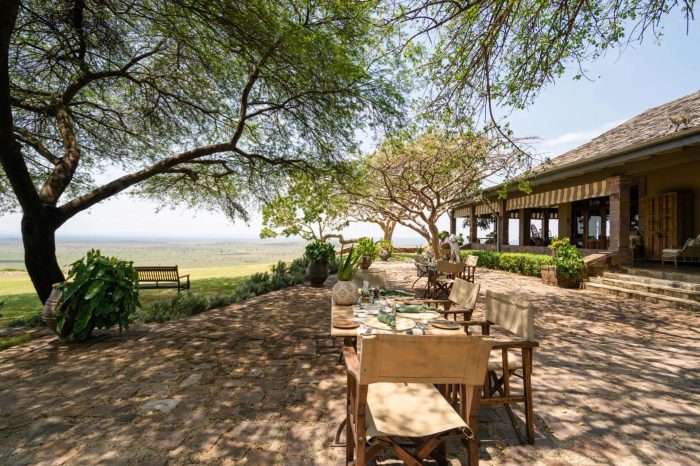
A truly enriching Food Safari experience in Africa transcends simply tasting exotic dishes; it involves a deep dive into the cultural tapestry woven around food preparation, sharing, and significance. Understanding the context behind the cuisine unlocks a deeper appreciation for the landscapes, histories, and people who shape African culinary traditions. This immersion provides a more authentic and memorable journey, going beyond the superficial and connecting with the heart of the continent’s diverse food cultures.Cultural immersion significantly enhances the food safari experience by providing context and meaning to the culinary encounters.
Direct interaction with local communities allows for a more holistic understanding of the food traditions, revealing the stories and techniques passed down through generations. This isn’t just about learning recipes; it’s about grasping the social, economic, and spiritual roles food plays within a particular culture. For instance, witnessing a traditional brewing ceremony reveals not just the process of making a drink, but also the social dynamics and rituals associated with it, providing a deeper appreciation for the cultural significance of the beverage.
The Role of Community Interactions in Understanding African Food Traditions
Interactions with local communities are paramount in gaining a nuanced understanding of African food traditions. Participating in cooking classes, visiting local markets, and sharing meals with families provide invaluable insights into the ingredients used, preparation methods, and the cultural significance of specific dishes. For example, learning to prepare a traditional stew from a village elder reveals not only the recipe but also the stories and knowledge embedded within each ingredient and the preparation process itself.
This participatory approach transforms the food safari from a passive observation into an active engagement, fostering genuine connections and a deeper respect for the culture. Direct observation of farming practices, from planting to harvesting, further illustrates the connection between the land, the people, and their food.
Ethical Considerations and Responsible Tourism Practices
Ethical considerations are crucial for ensuring sustainable and respectful food safaris. Responsible tourism practices involve minimizing the environmental impact, supporting local communities economically, and respecting cultural sensitivities. This means choosing tour operators committed to fair wages and community empowerment, avoiding practices that exploit local resources or disrupt traditional ways of life. Respecting local customs and traditions, such as asking permission before taking photographs, is equally vital.
Furthermore, supporting local businesses by purchasing crafts or produce directly from the community contributes to their economic well-being and ensures the sustainability of their cultural practices. Choosing experiences that prioritize community engagement over mere spectacle is a key aspect of responsible and ethical food tourism.
Logistics and Planning a Food Safari
Embarking on a culinary adventure across Africa requires meticulous planning to ensure a seamless and enriching experience. Careful consideration of budget, travel time, and accessibility is crucial for a successful food safari. This section provides a step-by-step guide and illustrative examples to help you navigate the planning process.
Budgeting for a Food Safari
The cost of a food safari can vary significantly depending on several factors. These include the duration of the trip, the level of luxury desired (e.g., accommodation choices, mode of transport), the specific regions visited, and the types of culinary experiences included. A budget-conscious traveler might opt for locally-owned guesthouses and utilize public transport, while a luxury traveler might prefer high-end lodges and private vehicle transfers.
For a rough estimate, a 7-day food safari in a moderately priced region could range from $2000 to $5000 per person, excluding international flights. This estimate accounts for accommodation, food, internal transport, and some guided activities. However, a more luxurious trip could easily exceed $10,000 per person. It is vital to create a detailed budget encompassing all potential expenses before embarking on the journey.
Travel Time and Accessibility Considerations
Travel time between locations within Africa can be substantial, especially when venturing into remote areas. Internal flights are often the most efficient method for longer distances, but they can add to the overall cost. Ground transportation, such as private vehicles or buses, offers a more immersive experience but requires more time and careful consideration of road conditions. Accessibility varies greatly across the continent.
Some regions have well-developed infrastructure, while others may have limited accessibility, requiring flexibility and potentially impacting itinerary planning. For example, certain national parks may have limited or no cell phone service, and remote villages might only be accessible by 4×4 vehicles. Thorough research into the accessibility of specific destinations is crucial.
Sample Itinerary Structures
The structure of a food safari itinerary can be tailored to suit individual preferences and the available time.
- Short Food Safari (3-4 days): Focus on a specific region or city, offering a concentrated culinary experience. This may involve exploring local markets, participating in cooking classes, and dining at a selection of restaurants.
- Mid-Length Food Safari (5-7 days): Allows for exploring multiple regions or cities, providing a broader culinary perspective. This might incorporate visits to different types of food producers (e.g., farms, wineries), participation in food-related cultural events, and visits to diverse culinary establishments.
- Extended Food Safari (10+ days): Provides ample time for in-depth exploration of multiple regions and a more immersive cultural experience. This could include longer stays in each location, more opportunities for interaction with local communities, and the possibility of more specialized culinary experiences, such as foraging expeditions or private chef dinners.
Sample 7-Day Food Safari in Morocco
This itinerary focuses on exploring the diverse culinary landscape of Morocco, blending city life with rural experiences.
| Day | Location | Activities & Culinary Highlights |
|---|---|---|
| 1 | Marrakech | Arrive in Marrakech, explore the Djemaa el-Fna square, enjoy a traditional Moroccan dinner with tagine and couscous. |
| 2 | Marrakech | Visit a local spice market, participate in a hands-on cooking class focusing on Moroccan pastries, enjoy a rooftop dinner with panoramic city views. |
| 3 | Essaouira | Travel to Essaouira, a coastal town, explore the fish market, enjoy fresh seafood at a beachfront restaurant. |
| 4 | Essaouira | Visit an argan oil cooperative, learn about the process of argan oil production, enjoy a traditional Berber lunch featuring local ingredients. |
| 5 | High Atlas Mountains | Travel to the High Atlas Mountains, visit a Berber village, experience a traditional Berber tagine cooking demonstration and lunch. |
| 6 | Marrakech | Return to Marrakech, explore a traditional hammam (Moroccan bath), enjoy a farewell dinner at a luxurious riad (traditional Moroccan house). |
| 7 | Departure | Depart from Marrakech. |
Top Urban Destinations and Related Experiences
Africa boasts a diverse tapestry of urban culinary scenes, each offering a unique blend of flavors, traditions, and experiences. Exploring these cities through their food is a journey into the heart of African culture, history, and vibrancy. This section will highlight five key destinations, providing insights into their nightlife, shopping, architectural heritage, street food, and travel tips for the discerning food enthusiast.
Top Five Urban Culinary Destinations in Africa
The following cities represent a diverse selection of African culinary experiences, showcasing the continent’s rich gastronomic heritage and modern culinary innovations. Each offers a unique blend of traditional and contemporary flavors, making them ideal destinations for a food-focused adventure.
- Cape Town, South Africa
- Marrakech, Morocco
- Nairobi, Kenya
- Lagos, Nigeria
- Dakar, Senegal
Cape Town Nightlife, Shopping, and Architectural Tours, Food Safari Experiences in Africa
Cape Town’s vibrant nightlife offers a range of experiences, from sophisticated wine bars in the city center to lively pubs in the bohemian neighborhoods like Woodstock. Local cuisine is showcased in restaurants like The Test Kitchen (modern South African) and Gold Restaurant (Cape Malay cuisine). Shopping opportunities abound in the vibrant markets of the Cape Malay Quarter and artisanal food producers in the Constantia Winelands.
Architectural tours can highlight the colonial history reflected in the Company’s Garden and the influence of various cultures in the city’s diverse architectural styles. Street food can be found in the vibrant Bree Street area, offering everything from Cape Malay curries to Bobotie. Hidden gems are often found by exploring the side streets of the city center and avoiding the overly touristy areas of the V&A Waterfront.
A metro adventure could involve taking the MyCiti bus to explore different neighborhoods and their unique culinary offerings. The Table Mountain Cableway offers panoramic views and some restaurants at the top offer breathtaking dining experiences. Capturing the essence of Cape Town’s culinary scene through photography involves focusing on the diverse textures and colors of the food and the surrounding environment.
Company’s Garden provides a perfect spot for a picnic lunch.
Marrakech Nightlife, Shopping, and Architectural Tours
Marrakech offers a captivating nightlife scene, with traditional riads (courtyard houses) transformed into intimate bars and restaurants serving Moroccan tagines and couscous. The Djemaa el-Fna square transforms into a bustling food market at night. Shopping experiences range from the souks (markets) offering spices, dried fruits, and nuts to high-end boutiques. Architectural tours can focus on the medina’s intricate alleyways, showcasing the traditional Moroccan architecture and its connection to food preparation and consumption.
Street food is abundant in Djemaa el-Fna, with vendors offering everything from grilled meats to harira soup. Travel hacks include learning basic Arabic phrases and venturing beyond the main tourist areas to discover hidden gems. A metro adventure isn’t possible in the traditional sense, but exploring the medina on foot reveals culinary treasures. Rooftop restaurants offer panoramic views of the city.
Photographers should focus on the vibrant colors and textures of the souks and the bustling atmosphere of Djemaa el-Fna. The Jardin Majorelle offers a tranquil setting for a picnic.
Nairobi Nightlife, Shopping, and Architectural Tours
Nairobi’s nightlife offers a mix of upscale bars and restaurants serving both international and Kenyan cuisine. The Carnivore Restaurant is known for its vast selection of grilled meats. Shopping can be done at the Maasai Market (though be mindful of tourist pricing) and local artisan food producers. Architectural tours can highlight the colonial architecture of the city center and the modern skyscrapers.
Street food can be found in various areas, with unique dishes like mukimo (mashed potatoes, maize, beans, and greens). Travel hacks include using matatus (minibuses) to navigate the city efficiently and be aware of traffic. There’s no metro system, but matatus offer a unique urban experience. Skycrapers like the Kenyatta International Conference Centre offer panoramic views. Photography should focus on the contrasts between the modern and traditional aspects of Nairobi.
Uhuru Park offers a relaxing space for picnics.
Lagos Nightlife, Shopping, and Architectural Tours
Lagos is known for its vibrant nightlife, with a wide array of bars and restaurants serving diverse cuisines, including traditional Nigerian dishes like jollof rice and suya (grilled meat). Shopping can be done at local markets like Balogun Market (though be prepared for a bustling atmosphere). Architectural tours can showcase the colonial architecture and the modern high-rises. Street food is abundant, with diverse options like akara (bean fritters) and puff puff (fried dough).
Travel hacks include negotiating prices in markets and using ride-hailing apps. The city’s sprawling nature makes a “metro adventure” challenging without a specific route plan, but using ride-hailing is efficient. High-rise buildings offer views of the city’s vastness. Photography should capture the energy and dynamism of the city. Freedom Park offers a peaceful escape for picnics.
Dakar Nightlife, Shopping, and Architectural Tours
Dakar’s nightlife offers a blend of traditional and modern establishments, serving Senegalese dishes like thieboudienne (fish and rice) and mafe (peanut stew). Shopping can be done at local markets and artisanal food producers. Architectural tours can highlight the French colonial influence and the modern buildings. Street food is abundant, with unique dishes like yassa (onion-based marinade for chicken or fish).
Travel hacks include learning some basic Wolof phrases. The city’s layout makes for interesting explorations on foot or by taxi. There is no metro system. Elevated viewpoints offer picturesque city views. Photography should capture the blend of French and African influences.
Parc de Hann offers a peaceful spot for picnics.
Sustainability and Ethical Food Tourism
Responsible food tourism in Africa is crucial for preserving the continent’s rich culinary heritage and supporting its diverse communities. A sustainable approach ensures that the benefits of tourism are shared equitably, minimizing negative environmental and social impacts while maximizing positive contributions to local economies and cultures. This involves careful consideration of environmental impact, fair labor practices, and community engagement.Sustainable practices in food tourism are paramount for long-term viability.
Without them, the very essence of what makes African food experiences unique—the natural landscapes, the traditional farming methods, and the vibrant local communities—risks being irrevocably damaged. A commitment to sustainability ensures that future generations can continue to enjoy these authentic experiences. It also fosters a sense of responsibility among tourists, encouraging them to be mindful consumers and respectful visitors.
Fair Trade and Supporting Local Communities
Fair trade principles are central to ethical food tourism. This means ensuring that producers and communities receive fair prices for their products and services, fostering economic empowerment and improving livelihoods. Supporting local communities directly involves choosing operators who prioritize local sourcing, employ local guides and staff, and invest in community development projects. This can range from supporting local farmers’ cooperatives to contributing to educational initiatives or infrastructure improvements.
By choosing to spend money directly within the community, tourists can create a ripple effect of positive economic impact.
Examples of Eco-Friendly Food Safari Operators and Initiatives
Several initiatives demonstrate a commitment to sustainable and ethical food tourism in Africa. For example, some operators prioritize using locally sourced ingredients, reducing food miles and supporting local farmers. They might partner with community-based tourism projects, ensuring that profits directly benefit local people. Other initiatives focus on minimizing waste through composting and recycling programs. Some eco-lodges and safari camps implement water conservation strategies and use renewable energy sources.
Imagine a lodge where the meals feature produce grown in their own organic garden, served on locally crafted tableware, and prepared by staff trained in traditional cooking techniques. The experience isn’t just about the food; it’s about immersing oneself in the local culture and environment in a responsible way. This holistic approach to sustainability sets a higher standard for the industry, demonstrating that responsible tourism can be both profitable and beneficial to local communities and the environment.
Ultimately, a Food Safari Experience in Africa is more than just a culinary tour; it’s a transformative journey that connects travelers with the heart and soul of the continent. By engaging with local communities, respecting cultural traditions, and embracing sustainable practices, food safaris offer a powerful way to experience the vibrant diversity of African culture while contributing to its preservation.
The memories made, the flavors savored, and the connections forged will undoubtedly leave a lasting impact long after the journey concludes.
FAQ Guide
What is the best time of year to go on a food safari in Africa?
The ideal time varies by region. Research the specific region’s climate and harvest seasons for optimal experiences.
Are food safaris suitable for families with children?
Many food safari operators cater to families, offering age-appropriate activities and itineraries. However, confirm suitability with the operator beforehand.
What are the typical costs involved in a food safari?
Costs vary widely depending on the duration, location, and level of luxury. Expect a range from budget-friendly options to high-end, all-inclusive experiences.
What kind of clothing should I pack for a food safari?
Pack light, comfortable clothing suitable for warm weather. Include sturdy shoes for walking and exploring, and consider layers for cooler evenings.
Do I need any vaccinations or health precautions before a food safari?
Consult your doctor regarding necessary vaccinations and health precautions based on your itinerary and specific destinations. Travel insurance is highly recommended.