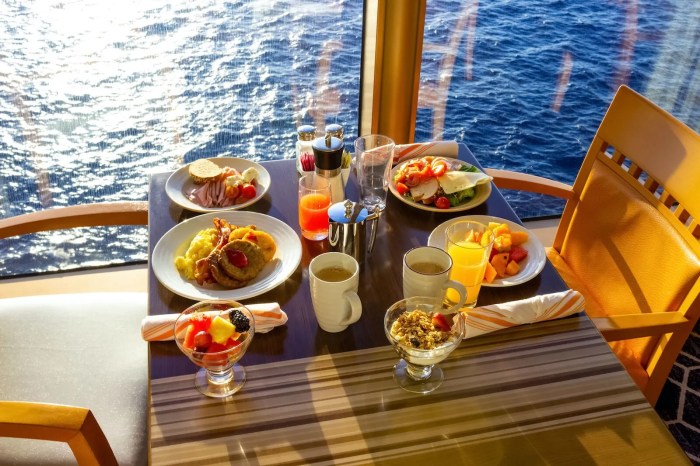
Best Culinary Cruises for Food Lovers: Embark on an unforgettable journey where exquisite cuisine meets breathtaking destinations. Imagine savoring gourmet meals prepared with locally sourced ingredients, learning culinary secrets from renowned chefs, and exploring vibrant food cultures in exotic ports of call. This exploration delves into the world of culinary cruises, uncovering the best options for discerning food enthusiasts seeking an unparalleled travel experience.
From the meticulously crafted menus featuring regional specialties to enriching shore excursions that immerse you in local culinary traditions, culinary cruises offer a unique blend of indulgence and cultural discovery. We’ll navigate the diverse offerings of various cruise lines, comparing their unique selling points and highlighting the importance of sustainable practices. We’ll also explore sample itineraries, onboard experiences, and budgeting tips to help you plan your dream culinary escape.
Defining “Best” Culinary Cruises: Best Culinary Cruises For Food Lovers
Choosing the “best” culinary cruise is a subjective endeavor, heavily influenced by individual preferences. However, several key factors consistently contribute to a superior experience for discerning food lovers. A truly exceptional culinary cruise transcends mere transportation; it’s an immersive journey that tantalizes the taste buds and broadens culinary horizons.The definition of a “best” culinary cruise encompasses a multifaceted assessment of cuisine variety, chef expertise, onboard dining options, and enriching shore excursions that complement the onboard culinary experiences.
It’s about the entire package, not just isolated aspects.
Cuisine Variety and Chef Reputation
A truly exceptional culinary cruise boasts a diverse range of culinary offerings, showcasing both regional specialties and internationally acclaimed dishes. The menu should extend beyond simple buffet fare, offering themed nights, interactive cooking classes, and opportunities to sample local delicacies. The presence of renowned chefs, either onboard or collaborating with the cruise line, significantly enhances the experience, guaranteeing a level of culinary artistry that elevates the entire voyage.
For example, a cruise featuring a Michelin-starred chef offering exclusive tasting menus would be considered superior to one with a standard onboard culinary team. The quality and creativity of the menus are also key; unique dishes and innovative flavor combinations are a hallmark of the best culinary cruises.
Onboard Dining Options and Shore Excursions
Beyond the main dining rooms, the best culinary cruises offer a variety of dining experiences. Specialty restaurants, offering different cuisines and price points, add diversity and choice. Consider a cruise with options ranging from casual poolside eateries to intimate, fine-dining establishments. The integration of culinary themes into shore excursions further enhances the overall experience. Imagine a tour of a local market followed by a cooking class using freshly sourced ingredients, or a wine-tasting excursion in a renowned vineyard, directly connected to the onboard culinary program.
These experiences extend the culinary journey beyond the ship, creating a cohesive and enriching experience.
Sustainable and Ethical Sourcing Practices
Increasingly, discerning travelers prioritize sustainability and ethical considerations when choosing a cruise. The best culinary cruises reflect this growing awareness by emphasizing sustainable and ethically sourced ingredients. This commitment goes beyond simply using organic produce; it involves working with local farmers and suppliers, minimizing waste, and reducing the environmental impact of food procurement and preparation. A cruise line that transparently communicates its sourcing practices and its commitment to responsible tourism is a strong indicator of quality and aligns with the values of many modern travelers.
For example, a cruise line that sources seafood from sustainable fisheries and features locally grown produce on its menus demonstrates a dedication to ethical and environmental responsibility. This commitment contributes to a more meaningful and impactful culinary experience.
Comparison of Cruise Lines and Their Culinary Offerings
Several cruise lines have established themselves as leaders in the culinary cruise sector. For instance, Oceania Cruises is known for its emphasis on fine dining and its partnership with renowned chefs. Regent Seven Seas Cruises offers all-inclusive luxury, including a wide range of gourmet dining options. Silversea Cruises also focuses on luxury and provides a high level of culinary expertise onboard.
Each line possesses unique selling points: Oceania might focus on regional specialties, while Regent Seven Seas might prioritize lavish presentations and extensive wine lists. The best choice depends on the individual’s preferences and priorities.
Cruise Itineraries and Destinations
Choosing the right culinary cruise involves careful consideration of the itinerary and destination. The best cruises offer a compelling blend of exceptional food experiences and culturally rich ports of call, allowing you to savor both the journey and the destinations. This section details some top culinary cruise destinations and sample itineraries to help you plan your ideal gastronomic adventure.
Top Culinary Cruise Destinations by Region
A wide variety of culinary experiences awaits across the globe. The following regions offer unique and unforgettable opportunities for food lovers embarking on a cruise.
| Destination | Region | Culinary Highlights | Shore Excursion Ideas |
|---|---|---|---|
| Mediterranean | Europe | Fresh seafood, olive oils, regional wines, pasta, vibrant local markets offering regional specialties like Greek olives, Italian cheeses, and French pastries. | Cooking class in Tuscany, wine tasting in Bordeaux, exploring a bustling marketplace in Barcelona, visiting a family-run olive oil farm in Greece. |
| Caribbean | Americas | Tropical fruits, fresh seafood, spicy jerk chicken, rum, and diverse influences from African, European, and indigenous cultures. | Rum distillery tour in Barbados, exploring local markets in St. Lucia, learning to make traditional Caribbean dishes in Jamaica, visiting a cocoa plantation in the Dominican Republic. |
| Southeast Asia | Asia | Diverse and flavorful cuisine, street food, fresh herbs and spices, curries, noodles, and exotic fruits. | Cooking class in Thailand, exploring night markets in Vietnam, visiting a spice plantation in Indonesia, a food tour through Singapore’s hawker centers. |
| Alaska | North America | Fresh Alaskan seafood, wild berries, game meats, and hearty comfort food reflecting the region’s rugged beauty and resourcefulness. | Salmon bake, visit a local fish market, exploring a wildlife sanctuary and enjoying the local fare at a lodge. |
| South America | South America | Varied regional cuisines, including Peruvian ceviche, Argentinian asado, Brazilian feijoada, and fresh tropical fruits. | Cooking class focusing on a specific South American cuisine, exploring local markets in Buenos Aires, visiting a coffee plantation in Colombia. |
Sample Culinary Cruise Itineraries
The duration of your culinary cruise significantly impacts the number of destinations and depth of experience. Below are sample itineraries for various lengths of trips.
| Destination | Duration | Culinary Highlights | Shore Excursion Ideas |
|---|---|---|---|
| Greek Isles & Italy | 7 Days | Mediterranean cuisine, fresh seafood, regional wines, pasta. | Cooking class in Santorini, wine tasting in Tuscany, exploring a bustling marketplace in Athens. |
| Caribbean Islands | 10 Days | Tropical fruits, fresh seafood, jerk chicken, rum. | Rum distillery tour in Barbados, exploring local markets in St. Lucia, learning to make traditional Caribbean dishes in Jamaica. |
| Southeast Asia (Thailand, Vietnam, Singapore) | 14 Days | Diverse and flavorful cuisine, street food, fresh herbs and spices, curries, noodles, and exotic fruits. | Cooking class in Thailand, exploring night markets in Vietnam, visiting a spice plantation in Indonesia, a food tour through Singapore’s hawker centers. |
Onboard Culinary Experiences
Culinary cruises offer far more than just a journey; they’re immersive gastronomic adventures. The onboard experience is meticulously crafted to tantalize the taste buds and provide a comprehensive exploration of food and drink. Beyond the stunning destinations, the ship itself becomes a culinary playground, offering a diverse range of dining options and interactive experiences designed to delight even the most discerning foodie.A key element of any successful culinary cruise is the variety of dining choices available.
Guests can expect to find a range of culinary experiences tailored to different tastes and preferences, moving beyond the typical cruise ship dining experience.
Dining Options on Culinary Cruises
Culinary cruises typically feature a main dining room offering a sophisticated menu, often showcasing regional specialties reflecting the cruise itinerary. Beyond this, specialty restaurants provide more intimate settings and curated menus focusing on specific cuisines, such as Italian, French, or Asian. These may require reservations and sometimes incur an additional fee. Many cruises also incorporate casual dining options, perhaps a buffet-style restaurant or a poolside grill, providing more relaxed meal choices.
In addition to sit-down meals, numerous culinary-focused activities are integrated into the daily schedule. These include hands-on cooking demonstrations led by renowned chefs, wine tastings featuring selections from specific regions, and mixology classes where guests learn to craft classic and innovative cocktails.
Unique Onboard Dining Experiences
Beyond the standard offerings, many culinary cruises offer unique and memorable dining experiences. Private chef dinners provide an exclusive and personalized culinary journey, with a dedicated chef preparing a bespoke menu tailored to individual preferences. The setting might be a private dining room or even a beautifully decorated suite. Themed culinary events, such as a regional wine dinner paired with a multi-course meal, or a celebration of a specific culinary tradition, further enhance the immersive experience.
Imagine a Tuscan-themed evening with regional wines and handmade pasta, or a seafood feast celebrating the freshest catches from the ocean. These themed events are often enhanced by live music and entertainment, creating a truly unforgettable experience.
A Typical Culinary Cruise Daily Schedule
A typical day on a culinary cruise will integrate culinary activities throughout. Breakfast might be a leisurely affair in the main dining room or a casual buffet, followed by a mid-morning cooking demonstration or a wine tasting. Lunch could be a light affair at a casual eatery or a more formal meal in a specialty restaurant. The afternoon might offer a mixology class or perhaps free time for exploration ashore.
Dinner is typically a highlight, with many opting for a formal dining experience in the main dining room or a specialty restaurant. Evenings might include a themed culinary event or perhaps a post-dinner port tasting. This structured yet flexible schedule ensures guests have ample opportunity to engage in diverse culinary experiences alongside the exploration of their chosen destinations.
Shore Excursions and Culinary Adventures
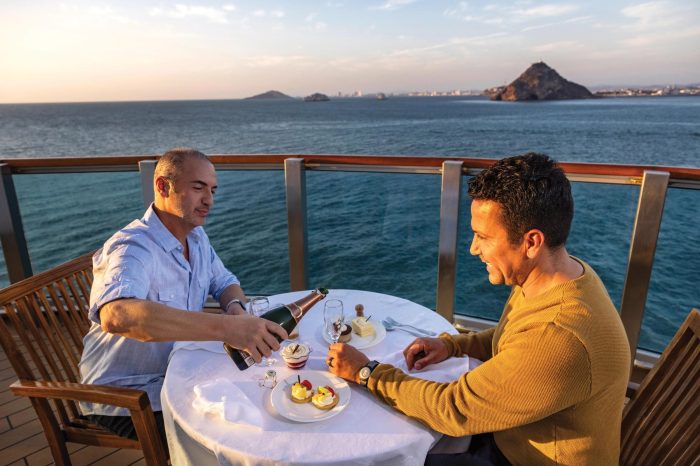
Culinary cruises offer a unique opportunity to expand your gastronomic horizons beyond the ship’s dining rooms. Shore excursions provide the perfect complement to the onboard culinary experiences, allowing for deeper immersion in the local food culture and a more authentic travel experience. These excursions are carefully designed to provide enriching interactions with local communities and traditions, moving beyond simple sightseeing to offer truly memorable experiences.Shore excursions play a vital role in enhancing the overall culinary cruise experience.
They offer opportunities for hands-on participation and interaction, going beyond simply tasting the local cuisine to understanding its origins and cultural significance. This type of immersive experience transforms a simple vacation into a journey of discovery, creating lasting memories and a deeper appreciation for the diverse culinary traditions around the world. Authentic cultural immersion is key to a truly enriching culinary travel experience, allowing travelers to connect with the heart and soul of a destination.
Cruises, with their planned itineraries and established partnerships, are uniquely positioned to facilitate these authentic encounters.
Examples of Enriching Shore Excursions
A wide variety of shore excursions focusing on local food and culture are available on many culinary cruises. These experiences range from casual visits to vibrant farmers’ markets brimming with fresh, seasonal produce, to more involved activities like participating in hands-on cooking classes led by renowned local chefs. Food tours through historic neighborhoods offer a unique perspective, revealing the culinary history and evolution of a region.
For instance, a cruise visiting the Amalfi Coast might offer a shore excursion to a local lemon grove, followed by a limoncello-making class. Alternatively, a cruise in Southeast Asia could feature a market visit followed by a Thai cooking class utilizing freshly purchased ingredients.
Five Unique Shore Excursion Ideas
The following examples highlight the diversity of culinary experiences offered by shore excursions:
- A Private Dinner with a Local Family in Tuscany, Italy: Imagine sharing a traditional Tuscan meal in the home of a local family, learning about their culinary traditions and family history while enjoying authentic pasta, regional wines, and lively conversation. This intimate experience offers a genuine glimpse into Italian family life and culinary heritage.
- Artisan Cheesemaking Workshop in the Swiss Alps: This excursion would involve a visit to a traditional cheesemaking farm nestled amidst the stunning Swiss Alps. Participants would learn the art of cheesemaking from experienced artisans, sample various cheeses, and enjoy breathtaking views of the alpine landscape.
- Spice Market Tour and Cooking Class in Marrakech, Morocco: Explore the vibrant Djemaa el-Fna square and the bustling spice markets of Marrakech, learning about the diverse spices and ingredients used in Moroccan cuisine. The tour would culminate in a hands-on cooking class where participants prepare a traditional Moroccan tagine.
- Oyster Farm Tour and Tasting in the Pacific Northwest, USA: This excursion would involve a visit to an oyster farm, where participants learn about sustainable oyster farming practices and the unique terroir that contributes to the distinct flavor profiles of Pacific Northwest oysters. The experience would conclude with a fresh oyster tasting paired with local wines.
- Chocolate Making Workshop in Belgium: Indulge in a delightful journey through the world of Belgian chocolate. This shore excursion would include a visit to a renowned chocolate factory, followed by a hands-on workshop where participants learn to create their own gourmet chocolates, from tempering to molding and decorating.
Budgeting and Planning a Culinary Cruise
Embarking on a culinary cruise promises an unforgettable experience, but careful budgeting and planning are crucial to ensure a smooth and enjoyable journey. Understanding the various costs involved and employing smart strategies can help you maximize your culinary adventure without breaking the bank. This section will Artikel typical expenses, provide tips for saving money, and offer a sample budget to guide your planning.
Typical Costs Associated with Culinary Cruises
The overall cost of a culinary cruise is influenced by several factors, including the cruise line, the length of the voyage, the cabin type, and the time of year. Generally, expect to pay a premium for culinary-focused cruises compared to standard cruises. Fares themselves can range significantly. For example, a 7-day Mediterranean culinary cruise in a standard inside cabin might start around $1500 per person, while a luxury suite on a similar itinerary could easily exceed $10,000.
Onboard expenses add to this base fare. These include gratuities (typically 15-20% of the fare), specialty dining experiences (beyond the included meals), alcoholic beverages, spa treatments, and onboard shopping. Shore excursions, a key component of any culinary cruise, can also add considerably to the overall cost. A guided food tour in a port city might range from $100 to $300 per person, while private cooking classes can be even more expensive.
Finding Deals and Discounts on Culinary Cruises, Best Culinary Cruises for Food Lovers
Securing a great deal on a culinary cruise requires proactive planning and research. Booking well in advance, often six to nine months before departure, can often unlock early-bird discounts. Consider traveling during the shoulder seasons (spring and fall) when prices are generally lower than during peak summer months. Cruise lines frequently offer last-minute deals to fill empty cabins, so checking websites and travel agencies closer to the departure date can be rewarding.
Loyalty programs offered by cruise lines can provide exclusive discounts and perks for repeat customers. Finally, utilizing travel agents specializing in culinary cruises can be beneficial. They often have access to exclusive deals and can provide personalized advice.
Sample Budget for a 7-Day Culinary Cruise
This sample budget illustrates potential costs for a 7-day culinary cruise for two people. Remember that these are estimates, and actual costs may vary based on your choices.
| Expense Category | Estimated Cost per Person | Estimated Total Cost (for two) |
|---|---|---|
| Cruise Fare (inside cabin) | $1750 | $3500 |
| Gratuities | $200 | $400 |
| Onboard Drinks & Specialty Dining | $300 | $600 |
| Shore Excursions (3 excursions) | $300 | $600 |
| Onboard Activities & Shopping | $150 | $300 |
| Total Estimated Cost | $2700 | $5400 |
Note: This budget excludes airfare, pre-cruise accommodation, travel insurance, and personal spending money. Adjust these estimates based on your chosen cabin type, preferred dining experiences, and excursion selection.
Top Urban Destinations for Food Lovers
Exploring the world’s culinary capitals offers an unparalleled sensory adventure. These vibrant cities boast diverse food cultures, each with its unique history, ingredients, and culinary techniques, providing a feast for both the palate and the soul. This section highlights five such destinations, detailing their culinary highlights and offering insider tips for the discerning food traveler.
Culinary Delights of Tokyo, Japan
Tokyo, a global metropolis, is a culinary paradise renowned for its meticulous preparation and exquisite presentation. Its food culture encompasses traditional Japanese cuisine alongside innovative fusion dishes. The city’s diverse culinary landscape ranges from Michelin-starred restaurants to humble street food stalls, offering an unmatched gastronomic experience.
Tsukiji Outer Market, while not the original wholesale market, still offers a vibrant array of fresh seafood, produce, and prepared foods. For high-end dining, explore Ginza, known for its upscale restaurants, many showcasing seasonal ingredients. Street food enthusiasts can delight in the yakitori (grilled skewers) and ramen stalls scattered throughout the city. Donburi (rice bowls) and tempura are also widely available and delicious options.
Exploring the Flavors of Lyon, France
Lyon, often called the gastronomic capital of France, is a city where culinary traditions are deeply rooted in its history and culture. Its rich culinary heritage is evident in its bouchons (traditional Lyonnaise restaurants) and numerous markets brimming with regional specialties.
Les Halles Paul Bocuse, a renowned indoor market, offers a wide selection of high-quality produce, meats, cheeses, and prepared foods. Bouchons, characterized by their rustic charm and hearty Lyonnaise dishes, are a must-visit for authentic culinary experiences. Street food options are less prevalent compared to other cities, but you can find delicious crêpes and other treats.
A Culinary Journey Through San Sebastián, Spain
San Sebastián, a coastal city in Spain’s Basque Country, is a mecca for foodies. Its pintxos (Basque tapas) culture is a unique culinary experience, with countless bars offering an endless array of small, flavorful dishes. The city’s Michelin-starred restaurants are also a significant draw for culinary enthusiasts.
La Bretxa Market, a bustling indoor market, is a great place to sample local produce and delicacies. Exploring the Old Town’s numerous bars is essential for experiencing the vibrant pintxos culture. While street food is less prominent, the abundance of pintxos offers a similar experience. Consider trying traditional Basque dishes like bacalao (cod) and txuleta (grilled steak).
Discovering the Spices of Marrakech, Morocco
Marrakech, a vibrant city in Morocco, is a sensory feast for food lovers. Its bustling souks (markets) are filled with exotic spices, colorful fruits, and aromatic herbs. Traditional Moroccan cuisine, known for its rich flavors and intricate preparation, is a highlight of any visit.
Djemaa el-Fna, the main square, transforms into a massive open-air food market at night, offering a variety of tagines, couscous, and grilled meats. The souks themselves offer a vast array of spices, nuts, and dried fruits. While restaurants offer more refined settings, experiencing street food in Djemaa el-Fna is an essential part of a Marrakech culinary adventure. Seek out local favorites like harira soup and pastilla.
Indulging in the Culinary Scene of Bangkok, Thailand
Bangkok, a city of contrasts, boasts a vibrant and diverse culinary scene. From Michelin-starred restaurants to humble street food stalls, Bangkok offers an incredible range of culinary experiences. Its street food is particularly renowned, with a vast array of flavorful and affordable dishes.
Chatuchak Weekend Market is a sprawling market offering a wide range of food stalls, including many street food options. Or Tor Kor Market is a more upscale market with a focus on high-quality produce and prepared foods. Street food is king in Bangkok, with Pad Thai, green curry, and mango sticky rice being just a few of the many iconic dishes available.
Many food stalls are clustered together, creating vibrant and energetic culinary hubs.
City Travel Hacks for Food Lovers
Finding the best culinary experiences in a new city often requires going beyond the usual tourist traps. Here are some tips for navigating the culinary landscape like a local:
Explore beyond the main tourist areas. Often, the most authentic and delicious food is found in less-visited neighborhoods. Talk to locals. Ask for recommendations from hotel staff, shopkeepers, or even fellow diners. Use food blogs and apps.
Many apps and websites offer reviews and recommendations from local food enthusiasts. Be adventurous. Try unfamiliar dishes and ingredients. Step outside your comfort zone; you might discover your new favorite food! Learn a few basic phrases in the local language. This can help you communicate with vendors and restaurant staff, leading to more authentic experiences.
Embrace street food (when safe). Street food can offer some of the most authentic and flavorful culinary experiences.
Exploring Urban Experiences (Related Topic)
Urban exploration offers a vibrant counterpoint to the tranquil seascapes experienced during a culinary cruise. A well-planned urban excursion can seamlessly integrate food, nightlife, and cultural immersion, creating lasting memories beyond the ship’s confines. This section will detail how to craft a memorable three-day itinerary in a chosen city, highlighting key neighborhoods and providing insights into maximizing your urban adventure.
A Three-Day Culinary and Cultural Itinerary in Seville, Spain
Seville, with its rich history, vibrant culture, and delectable cuisine, provides an ideal setting for a short but impactful urban exploration. The following itinerary balances food experiences, nightlife, and cultural immersion, offering a taste of Andalusian life.
| Day | Time | Activity | Location |
|---|---|---|---|
| Day 1 | Morning | Explore the Alcázar of Seville, a stunning royal palace showcasing Moorish and Christian architecture. | Alcázar of Seville |
| Afternoon | Enjoy a traditional tapas lunch at a local bar in the Santa Cruz neighborhood. | Santa Cruz neighborhood | |
| Evening | Attend a Flamenco show in the Triana neighborhood, known for its authentic performances. | Triana neighborhood | |
| Day 2 | Morning | Visit the Seville Cathedral and climb the Giralda, offering panoramic city views. | Seville Cathedral |
| Afternoon | Explore the Mercado de Triana, a bustling market offering local produce and artisan goods. | Mercado de Triana | |
| Evening | Enjoy a leisurely dinner at a restaurant along the Guadalquivir River, savoring fresh seafood. | Guadalquivir River | |
| Day 3 | Morning | Take a leisurely stroll through the Parque de María Luisa, a beautiful green space. | Parque de María Luisa |
| Afternoon | Engage in some souvenir shopping in the Alameda de Hércules, a vibrant and trendy area. | Alameda de Hércules | |
| Evening | Enjoy a final tapas crawl, experiencing different bars and their unique offerings. | Various tapas bars in the city center |
Seville’s Best Neighborhoods for Exploration
Seville offers diverse neighborhoods, each with a unique character. The Santa Cruz neighborhood, with its narrow, winding streets and hidden patios, is ideal for experiencing Seville’s historical heart. Triana, across the Guadalquivir River, offers a more bohemian atmosphere, known for its ceramics workshops and flamenco culture. The Alameda de Hércules is a modern and trendy area, perfect for shopping and nightlife.
Seville’s Urban Parks and Green Spaces
Parque de María Luisa, a vast green space, provides a welcome respite from the city’s hustle and bustle. It features beautiful fountains, pavilions, and gardens, offering a peaceful escape. The Plaza de España, located within the park, is a stunning architectural masterpiece and a popular photo opportunity. Smaller plazas and gardens scattered throughout the city also provide tranquil spots for relaxation.
Visual Storytelling (Related Topic)
Visual storytelling is crucial in conveying the immersive experience of a culinary cruise, particularly when highlighting the vibrant urban destinations visited. Capturing the essence of these locations through vivid descriptions allows readers to connect with the journey on a deeper level, igniting their wanderlust and inspiring them to embark on their own culinary adventure.The power of visual storytelling lies in its ability to transport the reader to another place and time, allowing them to experience the sights, sounds, and smells as if they were truly there.
This technique is particularly effective when describing the sensory richness of a culinary cruise, which goes beyond just the food itself.
A Bustling Street Food Market in Bangkok
Imagine the chaotic energy of a Bangkok street food market at dusk. The air hangs thick with the perfume of sizzling satay, fragrant curries, and sweet mango sticky rice. A cacophony of sounds surrounds you: the rhythmic clang of woks, the chatter of vendors hawking their wares in rapid-fire Thai, the laughter of families enjoying a meal together.
Brightly colored banners and signs advertise an array of exotic dishes, while vendors expertly wield their knives and ladles, creating culinary masterpieces before your eyes. The scene is a vibrant tapestry of sights, sounds, and smells, a sensory overload that encapsulates the heart of Thai street food culture. Each stall tells a story, a testament to generations of culinary tradition and innovation.
The sheer abundance of choice is staggering, from humble noodle soups to elaborate seafood dishes, all prepared with fresh, high-quality ingredients.
The Architectural Grandeur of the Sagrada Familia in Barcelona
The Sagrada Familia in Barcelona stands as a testament to Antoni Gaudí’s visionary genius and the enduring power of architectural ambition. This unfinished masterpiece of Catalan Modernism soars towards the heavens, its intricate façade adorned with biblical scenes sculpted in breathtaking detail. The towering spires, inspired by the natural world, pierce the sky, their unique forms creating a dramatic silhouette against the Barcelona skyline.
Inside, the soaring columns and stained-glass windows bathe the space in a kaleidoscope of color, while the intricate details of the architectural design inspire awe and wonder. Its construction, begun in 1882, continues to this day, a testament to its enduring significance as a symbol of faith, artistry, and Catalan identity. The sheer scale of the building is breathtaking, a physical manifestation of Gaudí’s boundless creativity.
A Nighttime Cityscape in Hong Kong
Night falls on Hong Kong, transforming the city into a dazzling spectacle of light and shadow. The skyscrapers pierce the inky sky, their glass facades reflecting the myriad lights of the city below. The harbor glitters with the twinkling lights of boats and ferries, while neon signs cast a vibrant glow on the bustling streets. The interplay of light and shadow creates a dramatic contrast, highlighting the city’s verticality and its dense network of streets and alleys.
The scene is a dynamic interplay of human activity and architectural grandeur, a visual symphony that captures the energy and dynamism of this vibrant metropolis. The sheer density of the cityscape is both overwhelming and mesmerizing, a visual testament to Hong Kong’s unique character.
Ultimately, the best culinary cruise for you will depend on your individual preferences and budget. Whether you dream of exploring the sun-drenched shores of the Mediterranean, the vibrant spice markets of Asia, or the charming Caribbean islands, a culinary cruise promises an unforgettable adventure for the senses. By carefully considering the factors discussed—cuisine, itinerary, onboard experiences, and budget—you can embark on a culinary journey that surpasses all expectations, leaving you with lasting memories and a renewed appreciation for the art of gastronomy and global culture.
Question & Answer Hub
What is the average cost of a culinary cruise?
Costs vary widely depending on the cruise line, itinerary length, cabin type, and time of year. Expect to pay anywhere from a few thousand to tens of thousands of dollars per person.
Are culinary cruises suitable for solo travelers?
Absolutely! Many cruise lines cater to solo travelers with single-occupancy cabins and social activities designed to foster connections.
What if I have dietary restrictions or allergies?
Most culinary cruises accommodate dietary restrictions. Inform the cruise line in advance of your needs, and they will work to meet them.
How do I choose the right cruise line for me?
Consider your preferred cuisine, desired destinations, and budget. Research different cruise lines and read reviews to find the best fit for your travel style.